Doña Manolita continues to be a symbol of hope in Madrid, captivating lottery enthusiasts for over a century with its storied history and tradition.
The Cultural Significance of El Gordo
In a nation where traditions often clash, Spain’s devotion to El Gordo, the iconic Christmas lottery, serves as a unifying force. This lottery, one of the oldest and most anticipated in the world, draws millions each year, transcending social divides and bringing together people from all walks of life. For many Spaniards, participating in El Gordo is more than just a chance to win; it's an integral part of their holiday celebrations. The familial and communal aspect of playing the lottery adds layers of meaning. Friends and families gather to purchase tickets, share excitement, and bond over the mixed hopes of winning and supporting one another's dreams.
The Legacy of Doña Manolita
At the heart of this annual spectacle is Doña Manolita, a beloved lottery shop in Madrid that embodies the spirit of this cherished tradition. Established in 1904 by a determined young woman named Manuela de Pablo, Doña Manolita began as a modest stall on Calle San Bernardo. Known for its personal touch, the shop catered primarily to university students, gradually evolving into a prominent fixture in Spanish culture. Its founding reflects a time when small businesses thrived on personal relationships and community ties, which resonates strongly today as consumers seek authenticity in their interactions.
From Humble Beginnings to Cultural Icon
Initially modest, with just a wooden counter and a notebook, Doña Manolita quickly became synonymous with good fortune. Manuela's warm demeanor and trusted advice built a loyal clientele that has endured through generations, linking the community through shared hopes. This connection isn't merely transactional; it's deeply emotional. When customers walk into Doña Manolita, they're stepping into a space where their dreams intertwine with the dreams of others—a sentiment that many forget in the hustle of modern life.
As her fame grew, so did the shop. In 1931, it moved to the bustling Gran Vía, where it thrived for over eighty years before settling in its current location on Calle del Carmen 22 in 2011, near the lively Calle Preciados. This move reflects not only an adaptation to the bustling urban environment but also a keen understanding of the social dynamics at play in Madrid's ever-changing marketplace.
The Holiday Season Rush
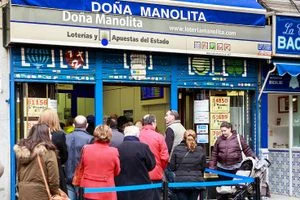
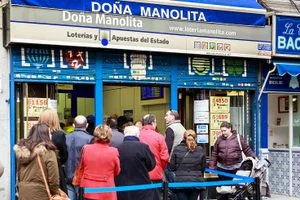
Today, during the holiday season, Doña Manolita transforms into a bustling hub, with lines stretching beyond sight. Eager patrons brave the cold for the chance to partake in this century-old ritual of luck and dreams. This yearly phenomenon attracts locals and tourists alike, showcasing the shop's dual role as a commercial outlet and a cultural landmark. Visitors aren't just buying tickets; they’re experiencing a slice of Spanish tradition. For many, standing in line is part of the festivities, a rite of passage that reiterates the communal aspect of the lottery.
The atmosphere is electric during this time. Excitement fills the air as patrons exchange stories, discuss strategies, or just soak in the ambiance. There's a palpable sense of hope and anticipation. If you’re working in this space, you’d recognize how these traditions influence consumer behavior, with many choosing to buy tickets as gifts or pooling resources with friends and family to increase their chances.
Modern Challenges and Continued Relevance
Despite its storied history, Doña Manolita faces challenges typical of small businesses in today's digital age. Many consumers are shifting to online ticket purchases, which could threaten the iconic physical shop’s future unless it adapts. While online platforms offer convenience, they lack the personal interaction and emotional connection that defines Doña Manolita. This clash poses an interesting question: can traditional businesses maintain their relevance in a digital-first world?
To counteract this, the shop has cleverly integrated social media into its marketing strategy, engaging with a younger demographic and drawing in new customers. Highlighting stories of winners and sharing testimonials from long-time patrons deepens its allure. But will this be enough to preserve its legacy? That's where the uncertainty lies. The ethos of community and personal touch that has defined Doña Manolita must evolve, or it risks drifting into obscurity.
Implications and Future Outlook
The outlook for Doña Manolita and El Gordo is a reflection of broader economic and social trends. As people grapple with the pressures of modern life, the nostalgic pull of traditions like this lottery remains significant. There's a growing desire for authenticity and communal experiences in an increasingly fragmented society. That's why the enduring charm of Doña Manolita may very well serve as a template for how small businesses can thrive amid change.
In the context of El Gordo, the stakes are higher than just ticket sales. It’s about maintaining a shared experience in a world that often feels isolating. This isn't just a shop; it’s a cultural touchstone. The future may hinge on how well it marries the old with the new, from maintaining its time-honored traditions to embracing the conveniences of the digital marketplace. The evolution of Doña Manolita will be closely watched—not just as a case study in retail success or failure, but as a reflection of how society values heritage amidst transformation.
Discussion
Sign in to join the discussion.