The Battle of Stillman's Run marked a notable moment in the Black Hawk War, highlighting the chaos and miscalculations of early American military engagements.
Prelude to Conflict
In 1832, tensions bubbled over in central Illinois as the complex dynamics between Native Americans and settlers intensified. Local counties urgently sought volunteers to form militias to defend against perceived threats posed by Black Hawk, a Sauk leader determined to reclaim territory for his people. This period wasn't merely a flashpoint; it was intertwined with broader issues of land dispossession and cultural displacement that defined American expansionism. On May 14 of that year, these tensions culminated near Sycamore Creek, where Major Isaiah Stillman established a camp with nearly 300 militia members—an ill-advised decision considering Black Hawk's known proximity. Despite their numerical advantage, the militia's lack of experience set the stage for disaster.
The Clash at Sycamore Creek
The unexpected confrontation that followed illustrates the often-chaotic nature of early American military encounters. Black Hawk, seeking a diplomatic solution, sent emissaries to negotiate with Stillman’s forces, although it remains unclear if they bore a white flag of truce. Think about that for a moment—the notion that a peaceful resolution was on the table, only to be thwarted by misunderstanding and fear. Meanwhile, Black Hawk deployed scouts to assess the situation, a standard military practice that backfired when Stillman’s men, panicked and eager for action, spotted these scouts and reacted with gunfire. The result was chaos; two scouts and one messenger were killed almost immediately, shattering any hope for negotiation.
Retreat and Aftermath
In the confusion that ensued, Stillman's forces—despite their numerical superiority—failed to capitalize on their position. Black Hawk’s warriors, comprised of a mere 30 to 50 fighters, might have seemed outmatched, but Stillman’s men were plagued by disorganization, inexperience, and even claims of drunkenness among the ranks. Presuming their enemy posed a much greater threat than reality suggested, Stillman ordered a retreat back to Dixon’s Ferry. The decision to withdraw hastily only sparked more chaos, leading to the loss of 12 men who attempted to maintain their position on a nearby hill. This retreat wasn't a mere blunder; it was emblematic of the broader military ineptitude that often characterized early American engagements.
A Somber Legacy
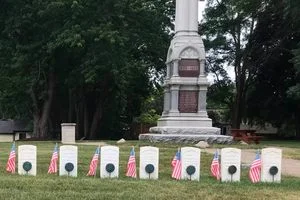
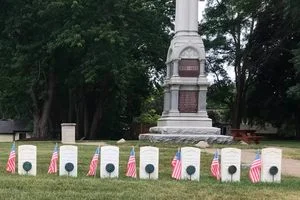
The aftermath of this chaotic engagement left an indelible mark not just on those directly involved but also on the nation’s evolving narrative. Among the young soldiers present was Abraham Lincoln, who later rose to prominence as the 16th President. His involvement during this grim episode—particularly assisting in the burial of the fallen—represents a poignant intersection of personal and national history. Today, the names of these soldiers are laid to rest in the Stillman's Run memorial, adorned with military headstones that honor their sacrifice. The evolving memory of this conflict has shaped how the region views its history, now known as Stillman Valley, even as Major Stillman's legacy remains tarnished by the chaos of that day.
Implications and Significance
What’s intriguing here is the way this early skirmish captures the complexities of conflict in American history, particularly the tensions between settlers and Native American tribes. It wasn't just a military engagement; it was a manifestation of deeper issues of power, land rights, and cultural misunderstanding. The skirmish at Sycamore Creek and its chaotic outcomes prompt us to question how fear and miscommunication can lead to disastrous decisions—lessons that resonate even in contemporary conflicts. More than just a historical footnote, it serves as a reminder of how easier paths to resolution can be overlooked amid the fog of war.
If you're working in this space—whether in academia, policy-making, or education—understanding the implications of these conflicts can clarify how narratives get constructed and remembered. The human stories behind such events shape our collective memory, influencing how we approach similar issues today. In looking back, we can see the varied legacies of figures like Major Stillman and young Lincoln, reminding us that history is not just about dates and battles; it's about the lives that were touched, altered, and forever changed.
Discussion
Sign in to join the discussion.