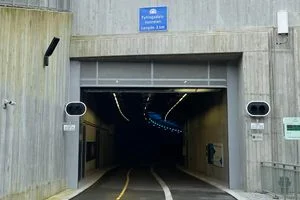
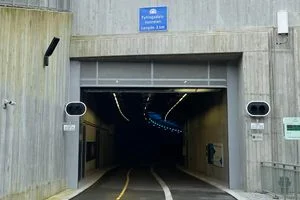
The Fyllingsdalstunnelen, opened in 2023, significantly improves urban mobility in Fyllingsdalen, offering safe routes for pedestrians and cyclists.
Improved Urban Connectivity
Opened recently, the Fyllingsdalstunnelen spans 2.9 kilometers (approximately 1.8 miles) and serves as a vital conduit for pedestrians and cyclists in a region known for its rainy climate. This tunnel bridges previously separated areas of the city, allowing for quicker travel that avoids a lengthy detour around a mountain. The engineering behind the Fyllingsdalstunnelen represents a thoughtful response to the challenges posed by urban geography and climate, making it an essential part of local transport infrastructure.
Urban planners often face similar connectivity issues; geographical barriers can limit not just transportation options but also the social cohesion of neighborhoods. In cities with challenging terrains or unpredictable weather, a tunnel like Fyllingsdalstunnelen can dramatically reshape commuting patterns. The result is a more integrated urban experience that enhances accessibility for residents, particularly those relying on non-motorized means of transport. Improved pathways between neighborhoods can foster economic activity and social interaction, vital for vibrant urban life.
The significance of a thoroughfare that facilitates smooth and swift movement can't be overstated. In essence, this infrastructure project doesn’t just connect two points; it transforms them into a shared experience. People are more inclined to explore and engage with their surroundings when they can navigate them easily, and that can lead to sustainable urban growth.
A Unique Experience
The tunnel features an inviting resting area complete with a spacious hall, creating a welcome break for users. Along the route, vibrant lighting variations enhance the experience, adding an artistic touch to the journey. It's not just about getting from point A to point B; it's about how comfortable and engaging that journey is. Striking visual elements and thoughtfully designed spaces can elevate an ordinary commute into something memorable.
That said, all too often, infrastructural projects overlook aesthetic considerations in favor of functionality. Fyllingsdalstunnelen seems to buck that trend. The incorporation of art and design elevates the pedestrian experience from a mundane necessity to an attractive option. This thoughtfully curated environment not only serves cyclists and walkers but also speaks to the greater community, creating a shared identity for those who utilize the space.
Imagine walking through a tunnel that not only shelter you from the elements but also captivate you with colors and forms. Many urban environments have long neglected public spaces, turning them into mere transit corridors. Consequently, enhancing user experience should be a primary concern for future city projects. Making pedestrian routes visually pleasing can encourage usage, support mental well-being, and create a sense of pride among residents.
(And this is the part most people overlook) The capacity to provide not just shelter from the weather but a unique spatial experience can lead to increased foot traffic, resulting in economic advantages for businesses nearby. Creating spaces that people want to enter and linger within contributes to a thriving urban ecosystem.
Safety and Accessibility Features
Designed with safety in mind, the tunnel includes dedicated lanes for pedestrians and cyclists, running parallel to the city tram. An access tunnel provides additional safety measures, ensuring secure passage throughout its length. This aspect of the Fyllingsdalstunnelen cannot be overstated, especially as cities strive to promote sustainable transport options. Investing significantly in safety accommodates a variety of users and encourages greater community trust in alternative transportation modes.
However, the point of safety goes beyond simply having designated lanes; it requires responsive designs that consider the actual needs of users. Many cities that have implemented similar features have seen decreases in accidents and injuries. In this case, the provision of separate pathways reduces the likelihood of conflicts between cyclists and pedestrians, which can occasionally occur in dual-use spaces. It’s a fundamental design principle that advocates for a safer urban environment.
Also, integrating accessibility features in a public tunnel is essential. Beyond the basic ramps for those with mobility challenges, true accessibility ensures that everyone can navigate the space comfortably, from families with strollers to older adults. An inclusive design not only fulfills legal requirements but strengthens community bonds by ensuring that public infrastructure serves all citizens.
Implications, Significance, and Future Outlook
The construction of the Fyllingsdalstunnelen is a noteworthy indicator of how infrastructure projects can address pressing urban challenges. By focusing on connectivity, user experience, safety, and accessibility, this project sets a benchmark for future development in cities facing similar geographic and climatic hurdles. Its implications extend toward public health and community building, demonstrating how well-planned urban routes can elevate daily life.
There's more at stake than convenience. Enhanced pedestrian and cyclist infrastructure can directly impact local economies, encourage healthier lifestyles, and contribute to environmental sustainability. The Fyllingsdalstunnelen could become a model for cities grappling with how to plan for future growth while prioritizing livability. As urban centers continue to expand, the need for such multi-functional transportation options will only grow. Those cities that invest in thoughtful design now are likely to reap long-term benefits down the road.
If you’re working in this space, this is a wake-up call: the design and execution of urban infrastructure can no longer be an afterthought. Creative, user-focused approaches must take center stage. As cities look toward future construction projects, the Fyllingsdalstunnelen highlights that striking a balance between form and function is not just a possibility but a necessity. These designs can lead to transformation – and that's where the true opportunity lies.
Discussion
Sign in to join the discussion.