Hurghada International Airport's Terminal 1 blends nature and design, offering a unique experience for travelers arriving in Egypt's Red Sea region.
Architectural Vision
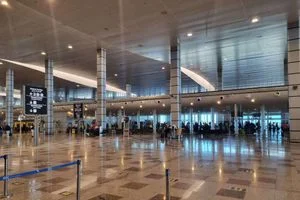
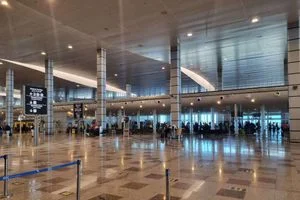
Terminal 1 at Hurghada International Airport, which debuted in late 2014, goes beyond conventional airport design. Spanning about 92,600 square meters over three levels, it creatively integrates the external landscape into its architecture. This integration is not just aesthetically pleasing; it reflects a growing trend in airport design that prioritizes environmental harmony and passenger experience. Airports worldwide are increasingly recognized not merely as transit points but as gateways that set the tone for the entire journey, both figuratively and literally.
Design Elements
The terminal’s signature feature is its vast elevated ceiling, designed to mimic the flowing forms of the Red Sea and the surrounding desert. The expansive glass façades and spacious interiors give the illusion that this ceiling is hovering above travelers, enhancing the overall sense of arrival. This kind of design not only serves a functional purpose—allowing abundant natural light to filter in—but also helps travelers feel more connected to their surroundings right from the moment they step inside. The architectural choices reflect a keen understanding of human emotion and experience, making travel feel less transactional and more welcoming.
This approach to airport design isn't unique to Egypt. Airports like the Hamad International Airport in Qatar and Singapore’s Changi Airport have adopted similar philosophies, using light, space, and natural elements to create environments that soothe and inspire. Such designs are rooted in extensive research that shows how our environment impacts our mood and perception. So, when you walk through Terminal 1, you’re engaging in an experience crafted to align with psychological principles, offering comfort and a sense of belonging.
Gateway to the Region
This structure not only facilitates travel but also presents visitors with a preview of the striking landscape they will encounter in Egypt. As passengers enter, they are welcomed by a design that embodies the essence of the Red Sea, connecting them instantly to the area's resorts, such as El Gouna and Sahl Hasheesh, even before they step outside. The goal here is not just to serve as a functional space but to immerse visitors in the culture and beauty of the region the moment they arrive.
In many ways, the architectural narrative of Terminal 1 serves as a microcosm of what Egypt offers. Its design elements subtly narrate the natural beauty that characterizes the hinterlands, beckoning travelers to explore more. There’s a conscious effort to emphasize local identity through architecture, something airports across the globe often struggle to achieve. If you think about it, how many times have you landed in a place only to be greeted by a generic concrete structure devoid of local character? Terminal 1 intentionally avoids that fate.
Environmental Considerations
Another vital aspect of Terminal 1 is its commitment to sustainability. Airports have a significant carbon footprint, and modern designs increasingly focus on mitigating that impact. Terminal 1 incorporates energy-efficient technologies and sustainable materials, contributing to a more eco-conscious operation. This commitment aligns with global trends wherein airports are becoming more responsible regarding energy consumption and waste management.
While the notion of “green airports” is gaining traction, the implementation can be quite variable. Some airports make superficial changes, like installing solar panels without addressing broader systemic issues. But in Hurghada, the efforts to minimize environmental impact go beyond aesthetics; they represent a foundational philosophy of design that respects both the local environment and the traveler’s experience.
Technical Challenges and Solutions
Building such a monumental structure isn’t devoid of obstacles. Engineering challenges abound, particularly in a landscape that features harsh weather conditions and sand erosion. Proper materials were chosen not only for their aesthetic qualities but also for their durability against the elements. These decisions impact both long-term maintenance and the life cycle of the terminal.
Look at how aviation technology has evolved, and you'll see an increased demand for seamless integration of infrastructure and experience. Mass transit hubs like Hurghada’s Terminal 1 must take into account fluctuating passenger volumes, security requirements, and quick turnaround times, all while remaining inviting.
Addressing these challenges requires high levels of collaboration among architects, engineers, environmental consultants, and, importantly, the airport authority. Every aspect from terminal flow to mechanical systems needs to be fine-tuned to create a frictionless experience for travelers. This cooperation is often where projects stumble, but it appears that the team behind Terminal 1 managed to strike a balance.
Implications and Future Outlook
The design and execution of Terminal 1 at Hurghada International Airport have broader implications for the future of airport architecture and management. As the travel industry continues to recover from global disruptions, facilities that prioritize passenger experience, environmental sustainability, and local culture are likely to emerge as leaders.
This isn't just about aesthetics or functionality; it's about how we think of our airports. They no longer serve merely as transit hubs but as extensions of the destinations they represent. For travelers, this can equate to a more fulfilling journey, where the airport experience enhances their travel, rather than detracts from it.
For airport operators and governments considering upgrades or new projects, Hurghada is a case study worth examining. The investment in a terminal that connects travelers to their surroundings, emphasizes sustainability, and engages them emotionally could indeed be the future blueprint. While we might not see a cookie-cutter approach cropping up overnight, the values exemplified by Terminal 1 will likely influence how airports are designed and operated for years to come. So, keep an eye on how similar projects evolve in the industry. You might just find that Hurghada is setting a standard others will strive to follow.
Discussion
Sign in to join the discussion.