The Isis Temple in Mainz, nestled beneath a shopping mall, offers a unique glimpse into Roman spirituality and rituals amidst modern commerce.
Ancient Marvels in Modern Context
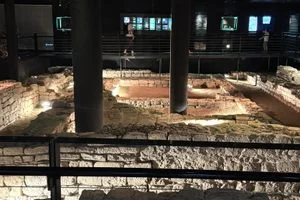
Mainz, Germany, serves as a remarkable backdrop for a fascinating intersection of modern consumer culture and ancient civilization. When developers broke ground on the Römerpassage shopping mall, they unearthed an unexpected treasure: an ancient Roman temple. This discovery could've led to its destruction or alteration, typical of urban development projects. However, in a move that stands out in the realm of modern construction, the decision was made to preserve the temple, implementing it as a part of the shopping experience rather than erasing it from the historical narrative.
This kind of successful integration is relatively rare. In many modern cities, significant archaeological finds often have to contend with the rapid pace of development. Similar systems typically either lead to the relocation of such finds or, in worst-case scenarios, their complete obliteration. The choice made by the developers in Mainz suggests a growing acknowledgment of the importance of heritage preservation, especially in areas rich with history.
A Unique Cultural Experience
The incorporation of the "Isis-Heiligtum" into the mall is more than a mere architectural feat—it's a cultural statement. Visitors can easily access this blend of old and new by taking a short walk from Mainz Hauptbahnhof. The temple, which is dedicated to Isis and Cybele (often referred to as Magna Mater within Roman contexts), is enclosed within the premises of the mall but is distinct enough to draw attention. Transparent glass walkways allow visitors to admire the remnants of the temple without imposing on the integrity of the site.
You’ll find yourself navigating through history while surrounded by the sounds and smells of a modern shopping center. This approach not only respects the heritage of the site but also offers a unique experience that many contemporary shopping areas lack—a sense of place and history. It allows for educational moments within what is otherwise a consumer-focused environment, merging an ancient spirituality with the daily activities of modern life.
Cultural Significance of the Temple
The temple provides critical insights into the religious life of ancient Romans and the multicultural aspect of their society. Houses of worship dedicated to foreign deities such as Isis were not uncommon in the Roman Empire; they symbolize how diverse beliefs coexisted and were respected. The exhibits within the museum, such as magical artifacts intended either to bless or curse individuals, illuminate the spiritual practices and social interactions of those who once frequented the site. The use of artifacts creates a palpable connection with the past that transcends ordinary museum experiences.
This is the part most people overlook: people often think of ancient practices as wholly separate from contemporary life, but the artifacts showcased here make the connection immediate and visceral. The voiceovers sharing tales of festivities like Saturnalia link ancient customs to universal themes of celebration and community, making the experience all the more relatable to modern audiences.
Engagement Through Multimedia
In an age where attention spans are shorter than ever, the museum employs engaging multimedia content to convey its messages. From visual displays to audio storytelling, the combination captures the interest of visitors of all ages. This strategy reflects broader trends in museum curation, where interactive elements become essential for engagement, especially among younger crowds who might otherwise feel disconnected from traditional exhibits.
Interactive technology doesn't just serve to entertain; it also provides educational value. This carefully crafted experience can foster a deeper understanding of the cultural and historical implications of the temple. By framing ancient practices within interactive narratives, the museum paints a vivid picture of the lives led by those who worshipped there.
Implications for Urban Development and Cultural Preservation
The decision to retain the ancient temple inside the mall is significant more than it might seem at first glance. It signals a potential shift in how developers and urban planners approach historical sites in densely populated areas. As cities grapple with the push for expansion and development, the Mainz model offers a progressive example of harmonizing growth with cultural heritage. It suggests that there's room for both modernity and history within our urban spaces, challenging the conventional narrative that growth strictly leads to the erasure of the past.
If you’re working in this space—urban planning, architecture, or even tourism—the implications are significant. The success of the Römerpassage could encourage similar projects worldwide, where developers are more inclined to find a balance between commercial interests and cultural preservation. This approach might just reshape the city’s architectural identity, making historical integration a benchmark for future developments.
Looking Ahead
The future of such preserved sites holds great potential for both educational and commercial endeavors. As cities continue to evolve, integrating historical artifacts into modern planning could serve as a reassurance to communities that their histories are valued. This forward-thinking approach opens doors for tourism and local engagement while maintaining a thread to the past.
Ultimately, the coexistence of history and modernity at the Römerpassage stands as a reminder that our understanding of the past can enrich our present. In a world increasingly reliant on technology and globalization, it's these anchoring elements—a small fragment of time that captivates the curious—that can lend depth to our lives.
Discussion
Sign in to join the discussion.