More than 40 WA growers report failed canola crops. Seed companies are investigating as farmers document losses and compare evidence.
Growers face steep losses and unanswered questions
More than 40 Western Australian growers have contacted agribusiness law firm Bailiwick Legal about canola crops they say failed after planting. Their reports concern TruFlex, a Bayer-developed gene that lets canola withstand glyphosate weedkillers, including Roundup. Seed companies incorporate the gene into varieties that are sold through wholesalers to farms, so questions about crop performance now reach across several parts of the supply chain.
The reports don’t yet establish what caused the failures or whether every affected crop shares the same problem. A field can perform poorly for multiple reasons, and the companies involved have pointed to investigations and possible seasonal or agronomic factors. But growers’ accounts raise a specific concern: whether plants expected to tolerate glyphosate have lost that tolerance, or whether another factor is producing a similar result. That distinction will matter for both the technical investigation and any claim for compensation.
The financial exposure could be substantial. Mark Fowler, who farms near Williams and Wickepin and chairs the WAFarmers Grains Council, says two affected varieties cover about 1,100 hectares of his 3,500-hectare canola crop. He estimates the potential cost to his business at up to $1 million. That figure reflects his assessment of the potential damage; it doesn’t, by itself, identify the cause or establish what a supplier might owe.
Some growers depend heavily on the varieties in question. Bailiwick Legal associate director Matilda Lloyd says farmers have reported problems with Nufarm Seeds’ Emu and Hunter varieties and BASF’s InVigor LR405 40P. Some believe the crops have lost their glyphosate tolerance. “Their losses could be in the millions of dollars,” Lloyd says. The concern is not only the condition of individual paddocks: when a variety accounts for a significant share of a farm’s crop, poor performance can affect the whole season’s expected return.
This is more significant than it looks. Seed descriptions shape decisions made well before a crop can be judged in the field, and growers may have limited ability to recover if a crop performs differently from what they were led to expect. Establishing whether that happened will require evidence that separates seed performance from other conditions. If you’re working in this space, the central question is how investigators can compare affected and unaffected crops without assuming the answer in advance.
Yet the cause remains unresolved. BASF says its technical team is investigating reports with growers and agronomists; Nufarm is also looking into cases and says seasonal and agronomic conditions could be relevant. Bayer says it is gathering information. Growers in parts of the agricultural zone have faced low rainfall and severe frost, though Fowler says he doesn’t believe weather explains the poor performance he has seen. His view is part of the evidence, but it doesn’t settle the question.
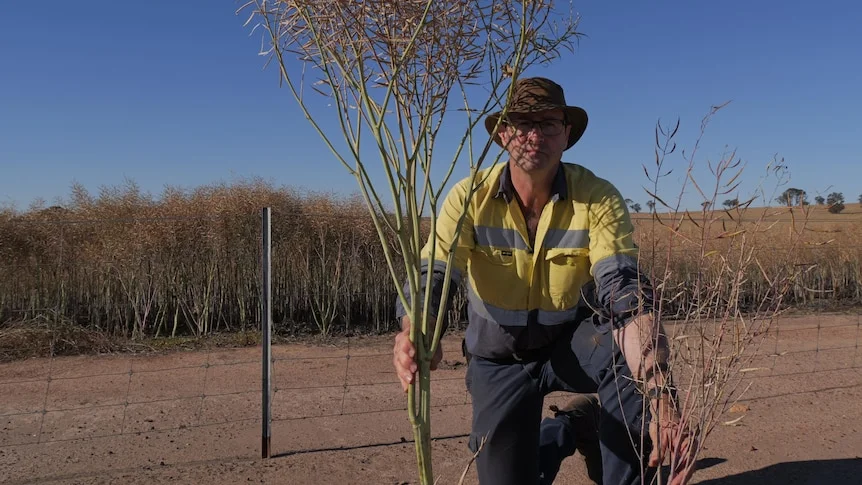
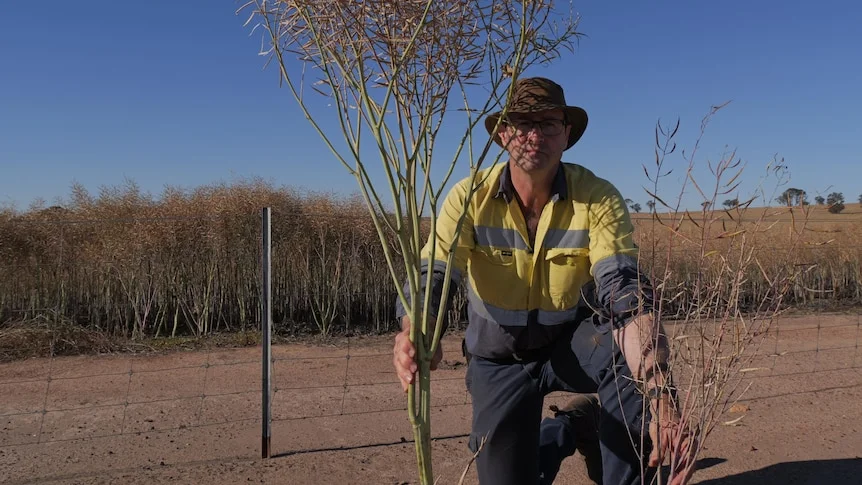 *Mark Fowler says the contrast in his canola crops is stark, with some varieties thriving and others struggling. (ABC Great Southern: Mark Bennett)*
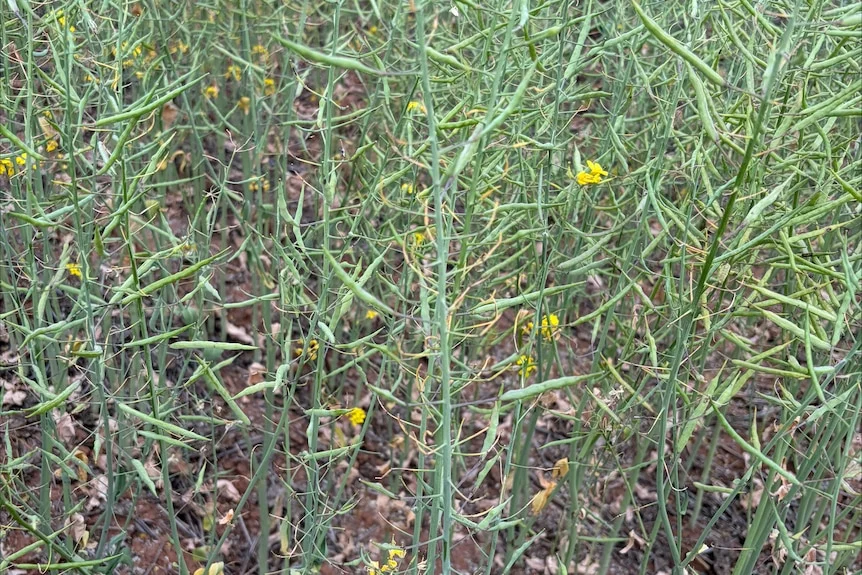 *Farmers and agronomists have reported significantly reduced plant strength in some varieties. (Supplied: Courtney Piesse)*
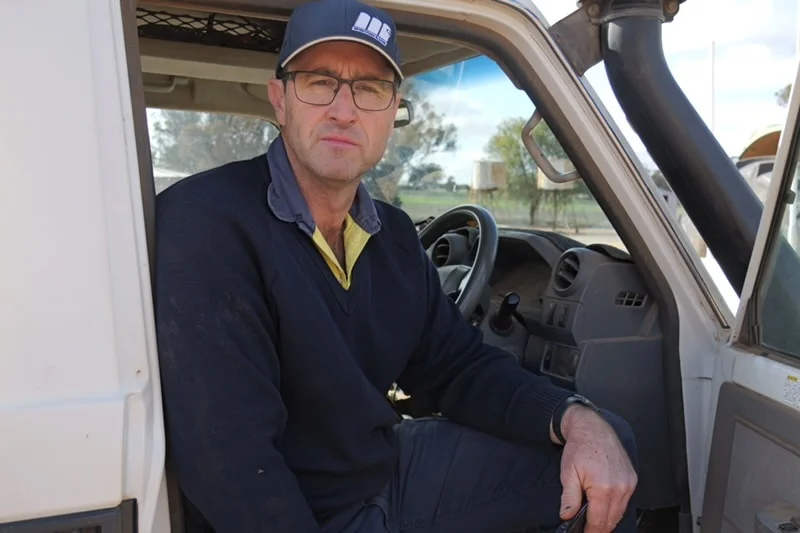 *Mark Fowler says there is significant damage to some of his crops. (ABC Great Southern: Mark Bennett)*
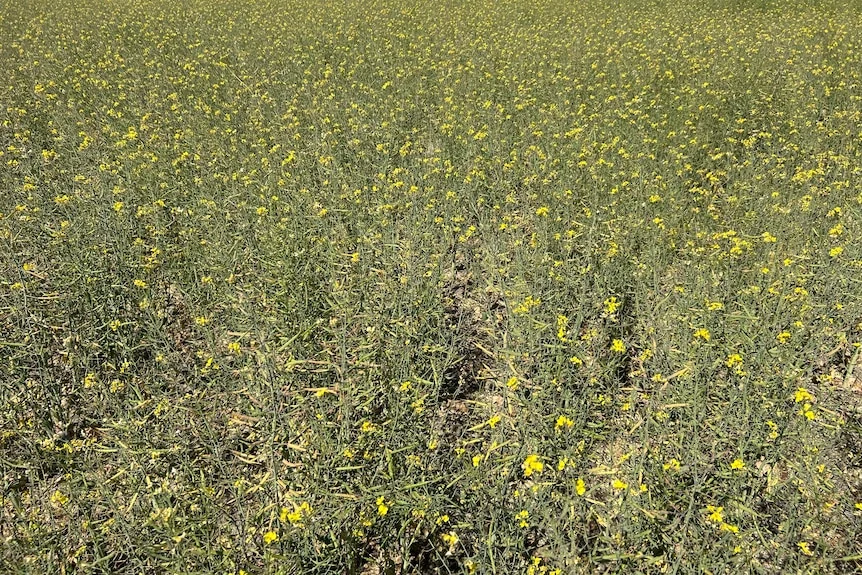 *Mark Fowler says the damage will come at a significant cost. (Supplied: Mark Fowler)*
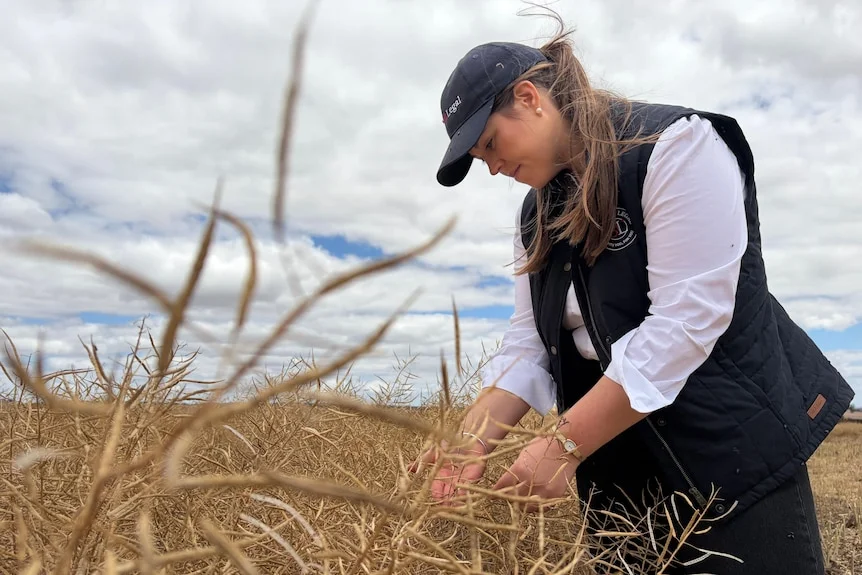 *Matilda Lloyd says dozens of growers have contacted her legal firm. (ABC Great Southern: Mark Bennett)*
Consumer guarantees may offer a path to compensation
Western Australia’s Consumer Protection Commissioner, Trish Blake, says farmers can seek remedies if seed fails to perform as described. She told the WA Country Hour that farm products are covered by the same consumer guarantees: grain must be acceptable, fit for purpose and consistent with the manufacturer’s descriptions. In practical terms, a complaint would turn on the product supplied, what was represented about it, and what growers can show happened after planting.
That doesn’t make compensation automatic. A poor crop alone may not explain whether the seed failed to meet its description, particularly where weather and farm practices could also affect results. The investigations will need to examine those competing explanations, while growers’ records can help show whether similar problems appeared across farms using the varieties named in the reports.
Blake, WAFarmers and Bailiwick Legal are urging growers to document what happened. Records of seed varieties, planting and crop conditions, alongside photographs and observations from agronomists, may help build a clearer account of the losses. Comparing evidence across farms could help establish whether the seed is at fault rather than a grower’s practices. That case will depend on what the investigations find.
And this is the part most people overlook: evidence gathered now may matter later, when damaged crops are harder to inspect and memories of field conditions have faded. A shared pattern could strengthen the case for a common seed problem, while differences between farms could point investigators toward local conditions. Either way, detail matters. The unanswered question remains.
What the investigations could mean for growers
The next step is a clearer account of what happened in the affected crops and whether the reported problems share a cause. Company investigations, agronomist observations and growers’ records each offer part of that picture. None should be treated as decisive in isolation, especially while the companies are still gathering information and the role of seasonal conditions remains disputed.
For growers, the immediate significance is practical: document the crop and seek advice on the available remedies, as Blake and the other organisations recommend. For seed companies, the reports put product descriptions and field performance under scrutiny. If you’re deciding what to plant in a future season, the findings may also affect how you assess claims about a variety’s traits. That said, the source provides no final technical finding or compensation outcome, so any broader conclusion would be premature.
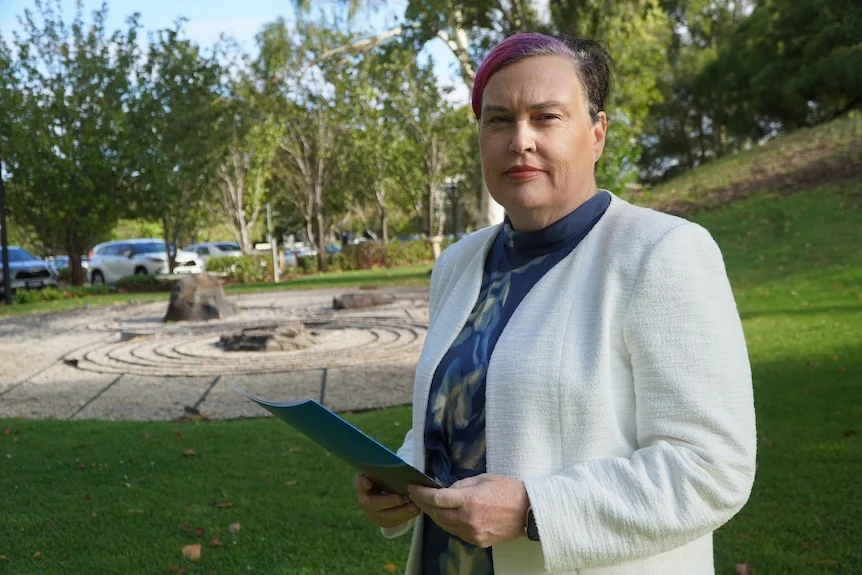 *Trish Blake says farmers should collect as much evidence as possible. (ABC News: Samantha Goerling)*
Discussion
Sign in to join the discussion.