Villa Vie says fuel costs have made its operating model unsustainable. More than 200 passengers were ordered off its residential cruise ship in Cambodia.
Passengers ordered ashore in Cambodia
Villa Vie Residences’ promise of a continuous life at sea has run aground on operating costs. The US company suspended its residential cruise operations in Cambodia, giving passengers just seven hours to leave its ship during a scheduled port call. For people who had made the vessel their home, that short notice turned a routine stop into an urgent question of where to sleep and how to continue their journey.
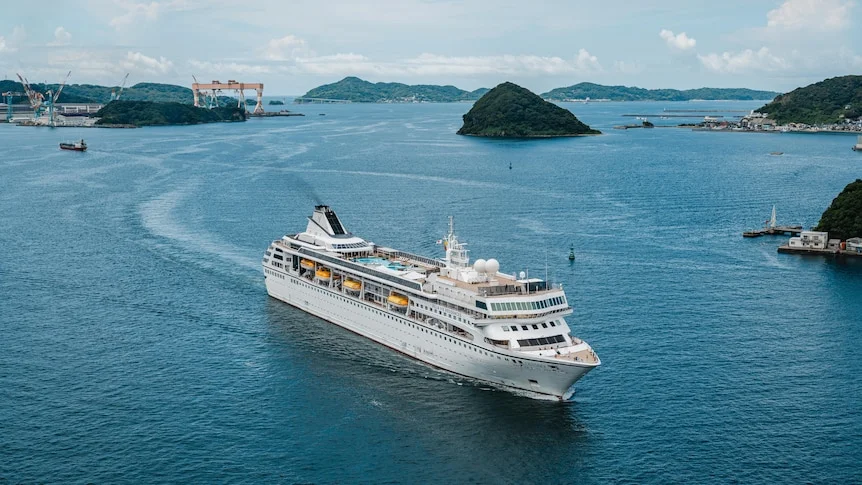
About 200 guests were aboard the Bahamas-flagged Odyssey when it arrived in Sihanoukville from Thailand on October 23. The ship was due to continue to Vietnam, but the planned itinerary gave way to an abrupt disembarkation. Long Dimanche, deputy governor of Preah Sihanouk province, said 203 passengers and 156 crew were on board and described the departure as leaving retirees and remote workers far from home without accommodation.
Some passengers booked flights out of Cambodia; others stayed in the city, Dimanche said. Those choices underline the practical burden of a sudden interruption: residents had to find somewhere to go while also managing luggage, transport and onward plans. The ship was expected to refuel and depart on October 31. Villa Vie said it was trying to arrange temporary accommodation for residents, though the statement offered no further detail on how that support would be organized.
Fuel costs strain the business model
In a statement on Tuesday, Villa Vie blamed extraordinary fuel costs following the Iran war. It said monthly fuel expenses per cabin had climbed from an average of $1,800 to an estimated $6,000–$8,000 in parts of Asia. That is a steep change in a cost the company has to meet to keep the ship operating, and it puts pressure on a service whose residents may have committed to a price well before the voyage reached those ports.
“The company cannot simply pass increases of that scale on to residents,” Villa Vie said, adding that the shortfall had put its operating model under unsustainable financial pressure. The company said it had suspended operations after two and a half years of continuous travel. In practical terms, that admission points to a mismatch between expenses that can change quickly and customer payments that may be harder to adjust once people have bought into life aboard.
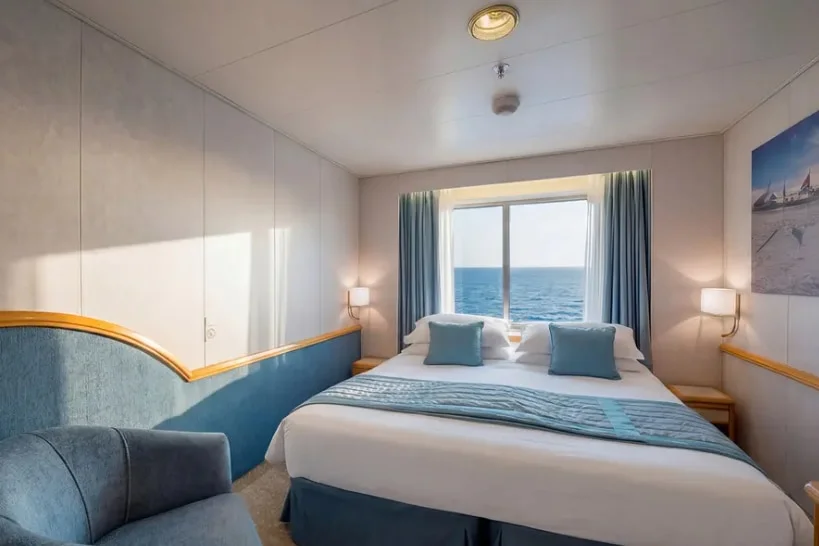
The cost squeeze lands on a business built around selling or renting cabins for holidays or long-term residence. Odyssey is a 200-metre ship with a medical centre, spa and self-contained villas. Basic cabins start at about $85,000, according to the company’s offering. A residential cruise asks customers to treat a ship as both accommodation and transport, so the appeal depends on the operator being able to keep the itinerary running as promised. This is more significant than it looks: an interruption affects not only a holiday plan but also the basic arrangements residents rely on at home.
Fuel is only one part of the operating picture, but it’s the cost Villa Vie has identified as the immediate pressure. A ship that keeps moving must continue to buy fuel as it travels, while residents are already paying for access to their cabins. If you're working in this space, the central challenge is clear: a permanent-at-sea product has to make variable voyage costs compatible with prices customers can accept.
A voyage marked by delays and shortfalls
Odyssey began its continuous voyage from Northern Ireland in October 2024. Some residents reportedly sold their possessions to fund life aboard; the ship also visited several ports on Australia’s east coast earlier this year. For residents who made that kind of commitment, the vessel’s ability to keep operating is tied to far more than the convenience of a changing view. It’s the structure around which they’ve arranged their daily lives.
Passenger and cruise blogger Randy Cassingham called the latest disruption part of a “cascade of problems.” In a post titled “Abandon Ship!”, he said the Belfast launch was delayed by four months and the ship never reached its planned capacity of 650 residents, peaking at around 350. Those claims frame the Cambodia shutdown as part of a longer story of delays and lower occupancy, though they don’t by themselves establish the company’s full financial position.
Cassingham also said the ship was not a luxury vessel and had been affordable until the company began “begging for money.” He accused Villa Vie of doing “absolutely nothing to help” passengers left in Cambodia. Those are his assessments, and they sit alongside the company’s own account: Villa Vie acknowledged the disruption and said it was working to support affected residents, crew and employees as plans develop. The gap between those accounts leaves passengers facing immediate uncertainty while the company’s response takes shape.
The test for a permanent home at sea
The immediate priority is housing and onward travel for passengers who were told to disembark on short notice. For Villa Vie, the episode puts a sharp figure on the challenge of selling a permanent home at sea: fuel costs can rise faster than residents’ fees can follow. The company’s explanation gives a reason for the suspension, but residents still need clear practical support while operations are paused.
And yet. A residential cruise can sell continuity only if the operator can provide it through disruption, not just during a planned itinerary. The Cambodia episode exposes how quickly a cost problem can become a housing and travel problem for customers who may be far from their usual support networks. What this means for you, if you’re considering a similar arrangement, is that the promise depends on the operator’s ability to keep the ship running and help residents when plans break down. The unresolved question is whether Villa Vie can turn its stated support into a workable path for the people now ashore.
Seven hours to pack. That’s the human scale of a financial strain measured in fuel bills.
Discussion
Sign in to join the discussion.