A humanoid robot has outpaced Usain Bolt's 100-meter record, raising questions about the future of sports and the role of human athletes.
The Rise of Robot Athletics: A New Era in Competitive Sports
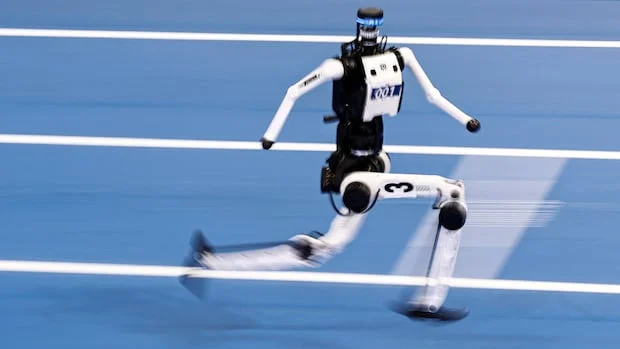
In a startling demonstration of technological advancement, a humanoid robot recently outpaced the legendary Usain Bolt's 100-meter dash record during the 2026 World Humanoid Robot Games. This event, held on August 22, captured the attention of sports enthusiasts and technophiles alike, marking a significant milestone in the intersection of robotics and athletic performance. While Bolt still retains the title of the fastest human, the robot's achievement—barely beating Bolt's legendary timing—opens up intriguing questions about the future of competitive sports.
The Competitive Context
The competition showcased not just this singular feat but also a range of robotic capabilities over the four-day event. The implications are profound. If robots can consistently surpass human records, what does this mean for sports as we know it? This isn’t just about a mechanical entity running faster than a human; it reflects a growing trend where technology impinges on traditional human domains. In a world where technology continually blurs the lines between man and machine, we’re left pondering the role of human athletes. Will we see a shift in how we view competition? Are we ready to welcome robots on the podium, or does this raise ethical dilemmas regarding authenticity and fairness in sports?
The Essence of Athleticism
The startling nature of the event invites skepticism as well. While the technology behind these robots is remarkable, the degree to which they can replicate or even surpass human abilities will be a point of contention. Sure, the robot's timing reflects impressive engineering, but can it capture the essence of human athleticism—speed, strength, and the sheer spirit of competition? This notion begs further exploration. The heart and soul of sports lie not just in achievement but also in the narrative that surrounds athletes; their struggles, determination, and triumphs. Can a robot truly resonate with fans in the same way a human can? This question sits at the crux of the debate.
Sentiments of Viewers
What remains to be seen is how such advancements will affect viewers' appreciation for human athletes. The video clip of the robot's performance circulated quickly, proving yet again that visuals speak volumes in the information age. Recorded moments such as these might transform who we celebrate and how we define athletic achievement. If you think about it, what will it mean for the fan experience? Will the emotional connections historically forged through human narratives be usurped by admiration for technological prowess? And this is the part most people overlook: sports have always been more than just records; they thrive on stories. It’s about connection.
The Future of Sports and Technology
If you’re deep into the tech or sports sectors, you’ll want to keep an eye on these developments. The dialogue around the integration of robotics in sports is just beginning, and its ramifications could reshape what it means to be an athlete in our increasingly technical society. The question isn’t just whether robots can run faster, but also how their presence will redefine sporting ideals and expectations. The future might see mixed competitions where robots and humans face off, transforming our understanding of both competition and sportsmanship.
Implications and Significance
This development isn’t just about breaking records; it raises deeper philosophical issues about identity in sports. Is an athlete defined by their physical capabilities, or is there more to being an athlete than pure performance? The interaction between human and robotic athleticism could push us to reconsider our definitions of competition, training, and achievement.
Then there’s the commercial potential. Brands might shift focus from sponsoring human athletes to promoting robotic competitors. This makes sense; robots don’t face injuries or mental fatigue. They can perform under any condition, making them ideal representatives for endorsements. The conversation around ethics in sports marketing must evolve to address this new reality.
The Importance of a Balanced Approach
In light of these advancements, a more nuanced approach must be adopted. This means recognizing the need for regulatory frameworks governing robot participation in competitive sports, ensuring that the spirit of fair play isn’t lost. Policymakers, sports organizations, and tech developers will need to collaborate to forge guidelines that protect the heritage of athletic competition while embracing the new frontiers that technology presents. What this means for you, especially if you're working in this space, is that you need to stay engaged with both the technical nuances and the cultural repercussions of these changes.
If we don't address these challenges thoughtfully, we risk a future where the joy of sports becomes overshadowed by machines. The conversation has only just begun, and the implications of these advancements are far-reaching. The question looms—how will we navigate this complex interplay between human and machine?
Discussion
Sign in to join the discussion.