Preserving Paradise: The Story of Henry Island and Its Stewards
Published
Aug 24, 2026
Desk
Technology
Views
929
William and Jeannemarie Baker seek a buyer for their cherished Henry Island, hoping to preserve its natural beauty and history for future generations.
Life on Henry Island: A Long-Standing Dream
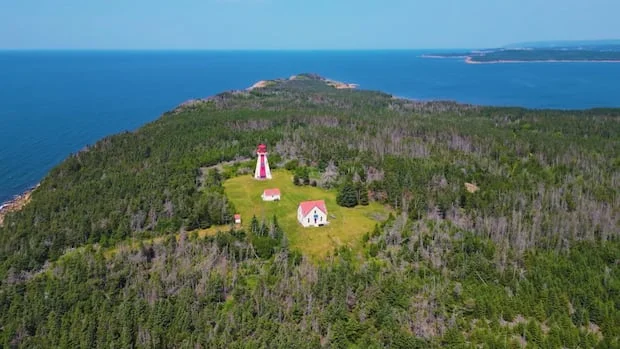
The story of William F. Baker and his wife Jeannemarie Gelin-Baker and their cherished Henry Island captures a unique blend of personal passion and the challenges that come with owning an isolated piece of paradise. After purchasing the remote island off the coast of Cape Breton 35 years ago, Baker, at 84, is now faced with the difficult decision to sell. Their desire for a buyer who will maintain the island's unspoiled charm reflects not just their deep connection to the property, but also a growing concern about its future.
Henry Island spans nearly 90 hectares, featuring a four-bedroom home and a fully operational lighthouse dating back to 1901— a testament to maritime history. Accessible solely by boat, the island is a mere 20-minute ride from Port Hood, N.S. This idyllic setting was a sanctuary for the Bakers, offering a respite from the frenetic pace of life in New York City, where Baker's illustrious career as a broadcaster flourished. His connection to lighthouses runs deep, bordering on the reverent. “Lighthouses are pretty special,” he explains, emphasizing their purpose of providing aid without expectation. The symbolism is profound, and for the Bakers, this island has been a beacon of tranquility.
Baker's initial attraction to Henry Island was both its serene beauty and its solitude. Surrounded by pristine beaches and rugged cliffs, the only other residents are the diverse wildlife that inhabits the wooded areas. Jeannemarie recalls the awe of seeing the Milky Way for the first time on the island—an experience that highlights the stark contrast between their former urban life and their newfound isolation.
Over the years, the couple invested significant time and resources into renovating the island’s structures, striving to create a self-sustaining environment powered by solar energy, rainwater for drinking, and a traditional outhouse. Baker reflects on these years as a necessary distraction from his demanding career, allowing him to shift focus and find solace in repair work. He even chronicled their adventures in a book titled *Lighthouse Island: Our Family Escape*, weaving their personal history into the larger narrative of connection and commitment to this special place.
However, the years take their toll, and maintaining the island has proven increasingly daunting for the aging couple. Their yearning for a buyer who appreciates the island's value and nuances underscores their hope for its preservation rather than development. "We're not gonna let that happen," Baker asserts, clearly struggling with the prospect of letting go. Despite being marketed for nearly $7 million CDN for the past two years, interest remains strong, with potential buyers from as far away as Germany.
As they search for a new steward of Henry Island, the Bakers emphasize the importance of finding someone who will honor its untouched nature. For them, the island isn’t just property; it embodies decades of memories, effort, and love. With each passing season, the urgency grows, as they continue to ponder what their beloved island’s future holds. The question remains—will they find the right guardian to continue its legacy?
Reflections and Future Outlook
As we wrap up our discussion on recent developments across Canada, it's evident that these stories highlight both the charms and challenges facing different provinces. For instance, the travel duo's emotional response after a month in Labrador underscores the region's untouched beauty and the lasting impressions it can leave, a testament to Canada's diverse landscapes. Such narratives are vital; they remind locals and tourists alike that some areas still offer genuine, unblemished experiences.
On the environmental front, news of Nova Scotia signing a Crown lease for a seaside whale refuge signals a commitment to conservation that shouldn’t go overlooked. As habitat preservation gains importance, this initiative could become a benchmark for other provinces. It's a progressive step, yet it raises questions: Will the measures taken be enough to address the broader threats posed by climate change and human activity?
Meanwhile, it’s troubling to see that in northern Cape Breton, unreliable cell coverage is driving a wedge between residents and modern communication conveniences. In a time when connectivity is crucial not just for convenience but for business and safety, these outages are more than a minor inconvenience. If you're operating in the tourism industry or any service sector, you need to be aware: these connectivity issues could impact visitor experience and local commerce.
Then there's Prince Edward Island, where the real estate market exhibits conflicting trends—home sales are dropping, yet prices keep climbing. This juxtaposition indicates underlying economic complexities. If you're involved in real estate or investment, the situation calls for scrutiny. What factors are at play here? And more importantly, where is this market heading?
In conclusion, the richness of these stories lies in their implications. They reveal a tapestry of interconnected challenges and opportunities that the provinces must navigate. There's a lot to digest, but one thing is clear: staying informed about these developments is crucial for anyone invested in the future of Canada's communities. As we look ahead, grappling with these issues will define not just our regions but also the national identity as a whole.
Discussion
Sign in to join the discussion.