Addressing the Critical Healthcare Shortage for ALS Patients in Northwest Territories
Published
Aug 24, 2026
Desk
Technology
Views
769
Mary Rose Blackduck's battle for ALS diagnosis highlights a severe healthcare gap in the Northwest Territories, stressing the urgent need for specialized medical services.
A Disturbing Healthcare Gap
A Disturbing Healthcare Gap
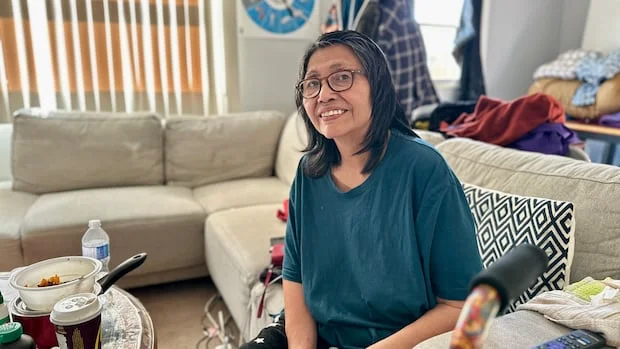
Mary Rose Blackduck's experience has spotlighted a distressing healthcare gap in the Northwest Territories. At 69, she found herself battling significant health issues, including muscle spasms and severe weakness. Despite numerous trips to local doctors, she was repeatedly dismissed as healthy, leaving her frustrated and without a proper diagnosis. The situation escalated to the point where she broke a foot after losing her balance during an episode.
After exhausting local medical options, Blackduck spent nearly $6,000 to seek help at the University of Alberta Hospital, a decision that should not be necessary for any patient, let alone someone already struggling with health complications. The diagnosis? Amyotrophic lateral sclerosis (ALS), a terminal illness characterized by the degeneration of motor neurons, which can lead to death within two to five years after diagnosis. The gravity of this diagnosis left her in shock, as she described ALS as "a very dreadful, cruel disease." It’s a sentiment that resonates with many facing a similar fate, highlighting the emotional toll that misdiagnosis can impose.
What's critical here is the lack of specialists in the N.W.T. for diagnosing ALS. Health officials have confirmed there's no full-time neurologist in the territory specifically assigned to diagnose such conditions. This not only reflects poorly on regional healthcare infrastructure but also raises serious concerns about patients receiving adequate and timely care. The absence of specialists sets a troubling precedent, leaving residents isolated in their healthcare needs. The N.W.T. Health and Social Services Authority has acknowledged this gap, attributing it in part to the complex nature of ALS diagnosis, which lacks a definitive test. Yet, their statement does little to address the real-world implications for patients like Blackduck, who are caught in a cycle of misdiagnosis and delay.
The Broader Implications for Patients
Blackduck’s story serves as a cautionary tale for anyone in the region facing similar health challenges. The deficiencies in local healthcare are alarming, especially regarding conditions that are notoriously difficult to diagnose. If you’re working in this space or advocating for healthcare improvements, Blackduck's experience underscores the urgent need to prioritize specialized medical services. As the healthcare community grapples with evolving medical challenges, the critical requirement for specialized care must remain a focal point.
The situation is even more dire considering that approximately 4,000 Canadians are diagnosed with ALS at any given time, with about 1,000 dying from it each year, according to the ALS Society of Canada. That number highlights the significance of access to appropriate healthcare, especially for patients in remote areas. Without adequate support and specialists, the trajectory for those in isolated regions becomes grim. In cases like Blackduck's, where a clear path to diagnosis and treatment should exist, the consequence of delayed care can be catastrophic.
Blackduck's potential move to Edmonton, where she hopes to find better support and resources, symbolizes a desperate search for care that should ideally be accessible where they currently reside. Her anticipation of needing feeding tubes and oxygen, and having to face a future of immobility, stands as a poignant reminder of the human cost of systemic healthcare failures. (And this is the part most people overlook: the logistics and emotional weight of relocating for health issues add another layer of complexity.)
The responsibility does not solely lie with patients to navigate these complexities; it’s a societal issue demanding systemic change. The healthcare system must adapt to the specific needs of populations, especially in remote areas, where patients often do not have the luxury of traveling long distances for care. How many more patients must endure similar battles before stakeholders act on these pressing healthcare shortcomings? The figures are telling, but the human stories behind them are even more compelling.
Future Outlook and Significance
As healthcare systems across Canada confront accessibility and specialization issues, it's crucial to look forward and consider potential solutions. Creating telehealth initiatives, investing more resources into training specialists, and enhancing local healthcare infrastructure are steps that demand immediate attention. For residents of remote communities, these aren't mere suggestions; they're essential components of a functional healthcare system.
Failure to act means more than inadequate healthcare services — it risks lives. The broader implications resonate beyond individual cases, reflecting systemic flaws that require immediate and sustained intervention. What this means for you, if you're a policymaker or health advocate, is a call to action. Urging the government and health authorities to allocate resources for creating networks of specialists and services is imperative.
In a country endowed with significant resources, a lack of access to specialized care in remote regions is an unacceptable paradox. The healthcare dialogue must shift to prioritize not just the presence of services but also the quality and accessibility of care. Patients like Mary Rose Blackduck deserve a system that recognizes their needs, minimizes struggles, and delivers timely, effective support.
Discussion
Sign in to join the discussion.