Two senior executives at Powerhouse Museum are under investigation for misconduct, prompting changes in leadership just ahead of the institution's grand opening.
Current upheaval at Powerhouse Museum, set to open in Parramatta on November 7, has led to an investigation involving two high-ranking executives. Arts Minister John Graham confirmed that both the CEO, Lisa Havilah, and the COO, Mark Wilsdon, are under scrutiny as part of a serious misconduct probe initiated by the NSW government. This unexpected turn of events raises questions about the management of such a pivotal cultural project.
Havilah stepped down last week, and Wilsdon was replaced by a government official earlier this summer. Despite the ongoing investigation, both executives continue to receive their salaries during this period. This particular detail may frustrate many, especially as public funds are involved in their compensations. Considering the nature of the allegations, this practice could set a concerning precedent for governance in public institutions.
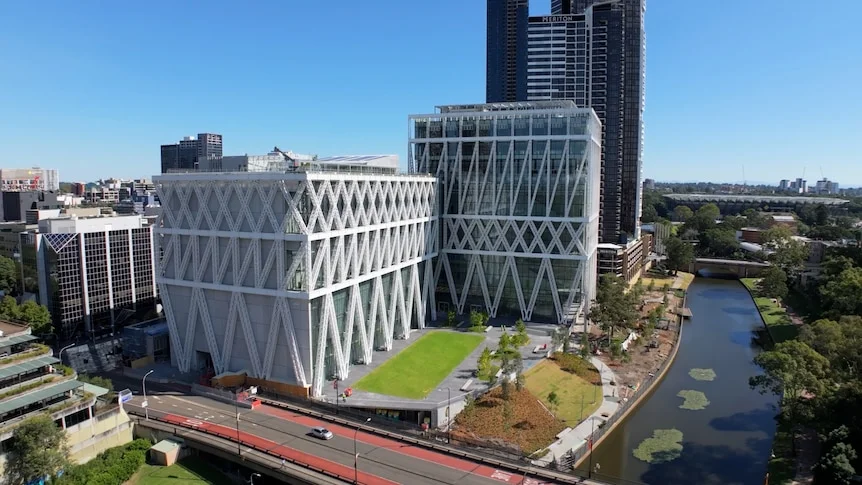
The opening of Powerhouse Parramatta is set to go ahead on November 7. (Supplied: Powerhouse Parramatta)
Context of the Investigation
During a budget estimates session, Graham indicated that the investigation had roots dating back to last year. "In March 2025, I approved and delegated authority to DCITHS [Department of Creative Industries, Tourism, Hospitality and Sport] to progress a fact-finding assessment," he revealed, emphasizing the depth of the inquiry. "A referral to ICAC [Independent Commission Against Corruption] was also made, and we must exercise caution whenever referrals occur." This suggests that the situation is anything but trivial, implying potential systemic issues within the organization.
"In April, July, and August, a range of allegations were put to a number of Powerhouse executives. That misconduct investigation is ongoing. That is the matter that has led to the recent changes."
While Havilah has led the institution through the significant $915 million project aimed at enhancing Western Sydney's cultural profile, her suspension ahead of the opening raises questions. The project's scale signifies the immense responsibility that comes with such leadership roles. Melanie Hawyes, secretary of the DCITHS, described the events leading to Havilah's suspension as emerging from new allegations during a conversation between her and Havilah last Thursday. This detail highlights the precarious nature of high-level management, where conversations can rapidly pivot to crises.
During the hearing, Graham also confirmed Wilsdon's involvement in the investigation, underscoring the seriousness of the situation. His admission that "the COO is also providing significant information as part of this process" paints a picture of a wider network of accountability and hints at the depth of the allegations being explored. In the interim, Cassandra Wilkinson, a treasury executive, has been appointed as COO. Transitioning leadership at such a crucial juncture poses risks; stability often hinges on familiarity, and new appointees may need time to acclimate to their roles.
Timeline Leading to Leadership Changes
Hawyes noted that discussions regarding an appropriate response led to the decision for Havilah to step aside, highlighting that her immediate concerns were focused on her team’s welfare and the impending launch's success. "I made arrangements to suspend her from duty and bring in an interim chief executive," she said. This contextualizes the dilemma; leadership must balance accountability against the backdrop of an impending milestone.
The timing of these leadership changes is significant, coming just weeks before the grand opening. Such proximity emphasizes the need for integrity in leadership roles, a foundation upon which public trust is often built. Graham added that leadership continuity was becoming unfeasible amid the ongoing process, reflecting a disheartening truth about governance: timely decision-making can often clash with established relationships and loyalty to individuals.
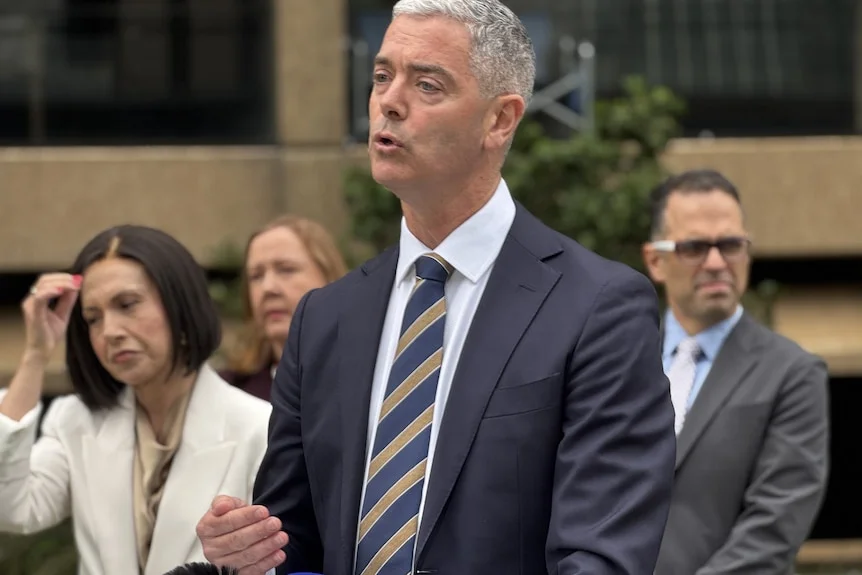
Mr. Graham indicated the investigation into Powerhouse Parramatta had begun as early as last year. (ABC News: Nick Dole)
Implications and Future Outlook
As the situation unfolds, the NSW government is facing scrutiny regarding the operational integrity of Powerhouse. Graham assured stakeholders that the project remains on track and within budget, stating that preparations are still underway for the museum's opening next month. However, the shadow of the investigation looms large over what was meant to be a celebratory event. This tension could affect public perception, and therein lies a significant challenge for the government.
What this means for you, especially if you're working in this space, is that leadership integrity is more critical than ever. Maintaining public confidence during these turbulent times will require transparent operations and a commitment to resolve the issues at hand. The challenge isn't just about opening the museum; it's about establishing a foundation of trust that will support future projects and initiatives. If the Powerhouse Museum’s leadership crisis reminds us of anything, it's that the success of public institutions often hinges on both individual accountability and collective organizational health.
And yet, the unfolding narrative is rife with lessons. As public entities adjust and respond to new allegations, they must grapple with the impact of leadership changes—not just internally, but externally in the broader community. The implications of these events will likely resonate far beyond the museum's walls, influencing policy and governance in artistic and cultural sectors across the region.
Discussion
Sign in to join the discussion.