Kennedy and Trump are soliciting public feedback on vaccine policy changes, indicating a strategic shift in how children receive vaccinations.
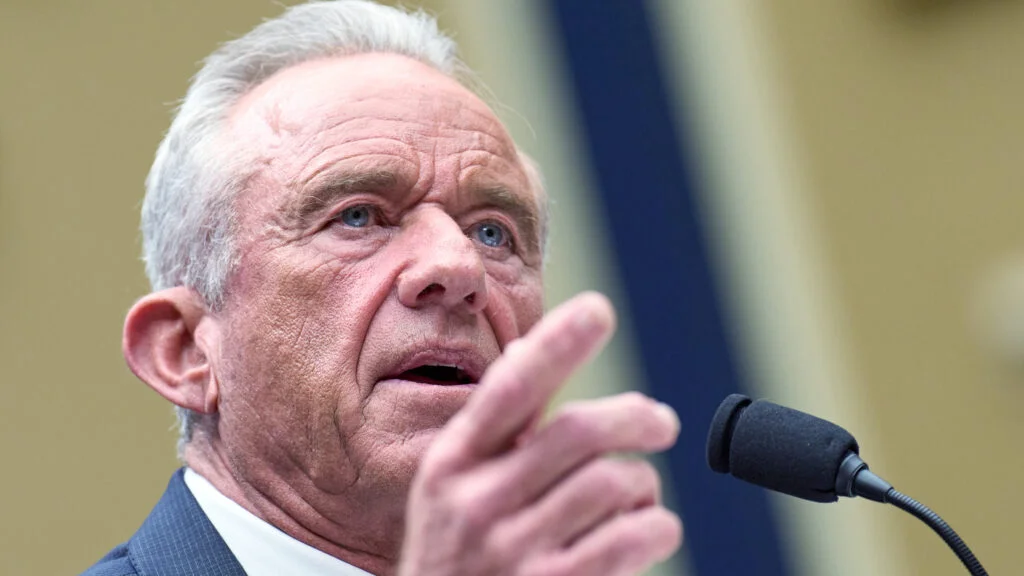
In a bold move, President Trump and Health Secretary Robert F. Kennedy Jr. are advancing their agenda to reshape children's vaccination processes in the United States.
Contextual Overview
This initiative is part of an ongoing debate in the U.S. regarding vaccination policies, which have faced scrutiny and pushback in recent years. The controversy around vaccines has sparked intense discussions among health officials, policymakers, and the public, with many advocating for various approaches to vaccine regulations. In some circles, there's a rising skepticism about the safety and necessity of vaccines, fueled by high-profile figures and claims about potential risks associated with them. These discussions often center around the amount of trust placed in medical guidelines and the government’s role in public health.
The new proposal introduced by Trump and Kennedy doesn't immediately alter any rules regarding vaccinations; instead, it seeks to engage the public by collecting feedback on a variety of topics related to vaccine recommendations. The emphasis on public commentary may hint at an effort to garner grassroots support while gauging concerns from parents and healthcare providers who are critical of existing policies.
Implications of the Request for Information
The recent request for information (RFI) is significant because it represents a strategic shift towards a more flexible vaccine policy framework. Though the document itself, as referenced in the official announcement, doesn’t lay out any immediate changes, it opens the door for substantial dialogue on how vaccines are categorized and administered to children. This type of public solicitation might reflect a broader trend in governance where citizen input is increasingly sought in legislative processes.
Current vaccine recommendations are generally derived from a combination of expert opinion and scientific evidence, resulting in established categories like universal recommendations for all children or special advisories for specific risk groups. The introduction of new categories could lead to a more fragmented approach where vaccines are recommended based on individual health profiles or local epidemiological data. Such a system could have significant ramifications for both public health and healthcare providers, who would need to adapt to potentially new protocols and guidelines.
Public Reaction and Expert Opinions
The public response to this initiative is likely to be mixed. Supporters of vaccine choice may welcome any attempt to create dialogue around vaccine policies, particularly if they feel their concerns have been overlooked in the past. They may argue that greater flexibility in vaccine recommendations can empower parents in making informed decisions for their children. On the flip side, many public health experts worry that such changes could undermine herd immunity and contribute to a decline in vaccination rates. This concern is not unfounded; we've seen in various studies how public hesitancy can lead to outbreaks of vaccine-preventable diseases.
Healthcare professionals will likely weigh in during the 30-day feedback window, and their insights could play a crucial role in shaping any potential changes. If you're working in this space, you should expect a range of perspectives—some advocating for cautious progress, while others call for a complete overhaul.
Comparison to Past Initiatives
Historically, there have been similar attempts to adjust vaccine policy based on public demand or shifting political landscapes. For example, the 2015 measles outbreak linked to low vaccination rates in California prompted widespread calls for stronger vaccination laws, leading to legislative changes that restricted non-medical exemptions for vaccines. Efforts like those arguably arise from the need to maintain public trust in health measures that protect the community.
However, the recent moves by Trump and Kennedy seem to pivot away from that trajectory. Instead of tightening vaccination mandates, they propose an exploration of alternative frameworks under which vaccinations could be administered. Critics might assert that such an approach could risk undermining decades of progress made in public health. The delicate balance between personal liberty and public health needs is at stake here.
Future Outlook
Looking ahead, the ramification of these proposed changes could be far-reaching. If the new framework is adopted, we might see a shift in how vaccinations are viewed—not just as a public health initiative, but as a personal choice influenced by new categories of recommendations. While there's potential for this to empower parents, it could also introduce greater variability in vaccination rates across different demographics and regions.
As this situation unfolds, it will be essential for health officials to carefully monitor the effects of any policy changes that arise from this feedback process. The necessity for maintaining not just vaccination numbers, but also confidence in public health systems will hang in the balance. And yet, any backlash against vaccines could create a landscape where diseases previously under control might rear their heads again. In a time when misinformation flourishes, striking a balance between autonomy and public safety becomes increasingly complex.
(and this is the part most people overlook) The conversation around vaccine policies reflects a broader ideological divide in the U.S., touching on themes of freedom, responsibility, and trust in government. The outcome of this initiative might influence the trajectory of healthcare debates for years to come, shaping how vaccines are approached not just for children, but for the population at large.
Ultimately, the question remains: how will the public respond to this invitation for dialogue? Their input could reshape vaccination policy, echoing beyond these immediate changes into broader public health narratives.
Discussion
Sign in to join the discussion.