Study Reveals 12% Drop in Soda Purchases Following SNAP Restrictions
Published
Aug 24, 2026
Desk
Finance
Views
710
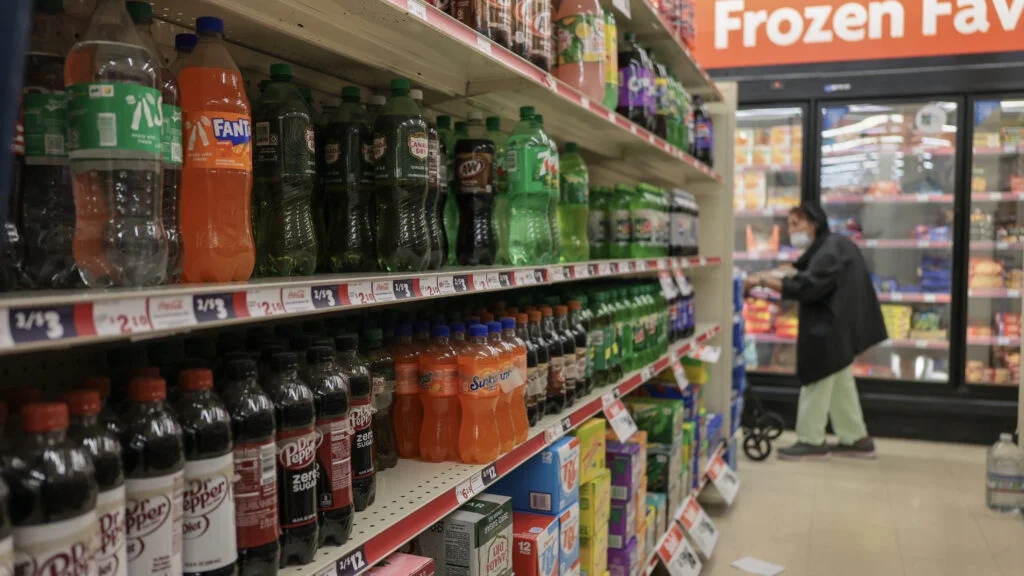
A recent study indicates that new SNAP restrictions led to a 12% decrease in soda purchases among beneficiaries, translating to 34 fewer cans annually.
The recent changes to Supplemental Nutritional Assistance Program (SNAP) benefits, which restrict the purchase of sodas and candies, are having a noticeable impact on consumer behavior. While some experts had speculated that individuals might compensate with other funds, emerging research suggests otherwise.
The Dynamics of SNAP and Consumer Choices
The Supplemental Nutritional Assistance Program (SNAP) plays a pivotal role in food security for millions of American households. Established to support low-income families in obtaining nutritious food, SNAP provides benefits that can be used at authorized retailers. However, the introduction of restrictions on certain items, like sodas and candies, marks a significant shift in how these benefits can be utilized.
These changes aren't just bureaucratic chatter; they target public health issues tied to excessive sugar consumption and obesity rates, especially in low-income demographics. For years, nutritionists and public health advocates have pointed out the strong correlation between poor dietary choices and health outcomes in vulnerable populations. What’s the rationale behind these restrictions? By nudging beneficiaries away from sugary beverages and snacks, the program aims to promote healthier eating habits.
Yet, questions remain about the effectiveness of these measures. While the intentions are clear, the potential fallout on consumer behavior requires close examination. It’s a contentious debate; in some quarters, criticism mounts that such measures might unfairly penalize individuals instead of encouraging informed choices.
Data on Consumption Shifts Among SNAP Beneficiaries
According to a study from the National Bureau of Economic Research, purchases of soda dropped by approximately 12% among SNAP beneficiaries following the new regulations implemented across ten states. This decline equates to about 34 fewer 12-ounce cans consumed each year per person, highlighting a significant shift in purchasing patterns tied to the policy changes.
This data is telling. It challenges the narrative that consumers will merely switch to alternative funding sources to purchase restricted items. Such findings imply that low-income individuals may be feeling the pinch from moral suasion — a term often used in behavioral economics to describe how guidelines and expectations shape our decisions. In this case, SNAP recipients might be internalizing the policy changes and opting not to purchase sugary drinks, even with their personal financial resources.
Research in behavioral economics typically suggests that policies targeting unhealthy food choices can lead to significant behavioral shifts. Other studies have shown similar effects when taxes are placed on sugary drinks, yielding decreases in consumption rates among various demographics. Still, while this data suggests shifting habits, it’s essential to recognize the complexity of consumer behavior. Humans are not simply rational actors; emotions, cultural practices, and social contexts often influence their choices.
Broader Implications on Public Health
This decline in soda sales among SNAP beneficiaries signals more than just changing shopping habits; it may have notable implications for public health initiatives. Less consumption of sugary beverages can correlate with improved health outcomes, particularly for demographics that face higher rates of diabetes and obesity.
However, the potential unintended consequences of these types of restrictions must also be considered. Critics argue that legislation could lead to a paternalistic approach, treating consumers as incapable of making their own choices. Moreover, if restrictions are too limiting, beneficiaries might feel alienated from the program, which could lead to stigma around using SNAP benefits.
The public health arena is rife with debates on the best ways to achieve positive health outcomes while respecting individual choice. The shift from merely providing assistance to actively shaping consumer behavior could set a controversial precedent. If you’re working in this space, understanding these dynamics is crucial. The effectiveness of SNAP restrictions could lead to increased scrutiny on other welfare programs and policies aimed at improving public health.
Looking Ahead: The Future of SNAP Regulations
The snap decisions around SNAP restrictions are likely to provoke discussions about broader dietary assistance programs. While this specific policy angle focuses on sugary drinks, what about other high-calorie, low-nutrient foods? The debate may expand to encompass snacks, processed foods, and even fast food outlets that disproportionately benefit from food assistance programs.
These discussions won't happen in isolation. You'll find parallels in other countries where similar policies have been implemented. For example, Mexico has instituted a 'sugar tax' that resulted in decreased sales of sugary drinks. Questions loom about whether the U.S. will adopt a piecemeal approach or consider a comprehensive overhaul of nutritional assistance.
And this is the part most people overlook: the cultural implications of changing what can be bought with SNAP funds. Food choices are more than just personal preference; they encompass identity, community, and social interaction. If public assistance programs redefine the boundaries of acceptable food options, that could have long-lasting effects on culture and community.
As policymakers contemplate these potential changes, the path will be fraught with challenges. Striking a balance between supporting public health and respecting individual freedom will likely shape the conversation for years to come. The findings from this emerging research provide a glimpse into the complex interplay of socioeconomic status, health behaviors, and policy — and suggest that careful consideration is essential in shaping the future of SNAP and similar initiatives.
Discussion
Sign in to join the discussion.