The decline of handshakes in healthcare reflects a missed opportunity for personal connection; we should reinstate this practice to enhance patient experiences.
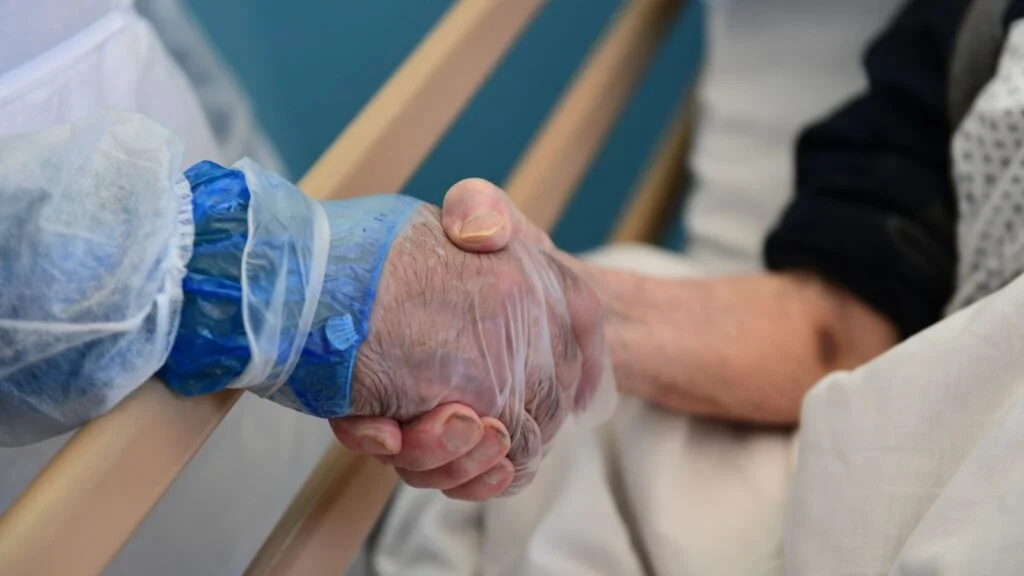
In the sterile environment of an emergency department, a simple gesture like a handshake can create a profound impact on patient care. Recently, I found myself assisting a woman in distress, grappling with the harsh reality of a suspected oncologic emergency. As medical professionals, we often center our focus on ailments and diagnoses, yet it’s these small acts of human connection that can pave the way for deeper trust between doctor and patient.
When I first met her, the palpable tension in the room was eased momentarily by the act of extending my hand. In that small instant, both she and her family found a flicker of comfort amid the chaos that characterized the emergency setting. It’s astonishing how something so uncomplicated can serve as a bridge—a reminder that medical professionals see patients as individuals rather than just a collection of symptoms and lab results. This interaction underlined my belief that establishing human connections at the start of patient encounters can significantly influence a patient’s experience.
The Role of Trust in Healthcare
First impressions during medical evaluations play a critical role in how the patient perceives the ongoing treatment process. Research indicates that patients continuously assess their comfort level and trust in healthcare providers from the moment they enter the room. Engaging in a handshake, however minor, can initiate a foundation of trust and foster communication.
This is of particular significance in emergency medicine, where healthcare providers must quickly assess and build rapport with patients—often in extremely vulnerable situations. Within mere minutes, we inquire about sensitive topics that range from personal histories to current pain levels. In such high-stakes environments, simple human acknowledgment can become foundational to a therapeutic relationship.
Empirical Evidence Supporting Handshakes
Studies have shown that a majority of patients appreciate traditional greetings that include a handshake. Research published in JAMA Internal Medicine indicated that over 78% of surveyed adults expressed a preference for handshakes from their physicians. Additionally, video analyses of outpatient visits suggested that handshakes should be part of standard practice, provided patients are comfortable with the gesture.
Another study from 2023 demonstrated that small adjustments, like a chair positioned near a patient's bedside, could significantly enhance physician-patient interactions. The presence of such subtle changes improved patient satisfaction and communication metrics without extending the duration of consultations. This emphasizes that intentional gestures send messages of empathy and care.
The Decline of Handshaking in Modern Medicine
However, the practice of handshaking has faced challenges in contemporary medical contexts. Increasing workflow demands, pressure from electronic medical record systems, and high patient volumes can overwhelm clinicians, often forcing them to prioritize tasks over genuine connections. In emergency departments, where the urgency of care is amplified, providers may find themselves focused on screens rather than the individual before them.
The transformation brought about by the COVID-19 pandemic intensified these challenges. Social distancing measures and health protocols largely eradicated physical interactions like handshakes. Unfortunately, this shift has lingered in many healthcare settings, creating a potential void in patient engagement.
Reintroducing Handshakes with Caution
Concerns about infectious disease transmission are valid, especially in healthcare environments. Nevertheless, the solution shouldn't be to forgo human contact altogether. Instead, appropriate hand hygiene and clinical judgement should guide us. Sanitizing hands before and after contact can mitigate risks while also honoring the need for human connection during patient encounters.
It's crucial to acknowledge that not all patients will welcome a handshake. Factors such as personal preferences, cultural beliefs, and physical limitations should guide healthcare providers. Clinicians can find alternative ways to convey warmth and respect, whether through verbal greetings or culturally sensitive gestures.
The Call for Collective Responsibility
Moreover, fostering human connections doesn't solely lie with physicians; every member of the healthcare team contributes to shaping patient experiences. Every interaction presents an opportunity to transform what can often feel like an impersonal system into a nurturing environment.
As medicine evolves with technology—encompassing AI applications, remote monitoring systems, and sophisticated diagnostic tools—there's a pressing need to emphasize the human elements within clinical practice. We should strive to balance technological advancements with the essence of empathy and connection that underpins patient-centered care.
The reinstatement of handshakes in clinical settings is more than a mere return to tradition; it's about creating a culture that prioritizes humanity in medicine. As we navigate the intricacies of modern healthcare, let's not lose sight of the simple gestures that can foster trust and aid in healing.
Zain Khawaja, M.D., serves as an emergency medicine resident physician at Northwestern University, where he actively engages with the intersection of health policy and healthcare economics.
Discussion
Sign in to join the discussion.