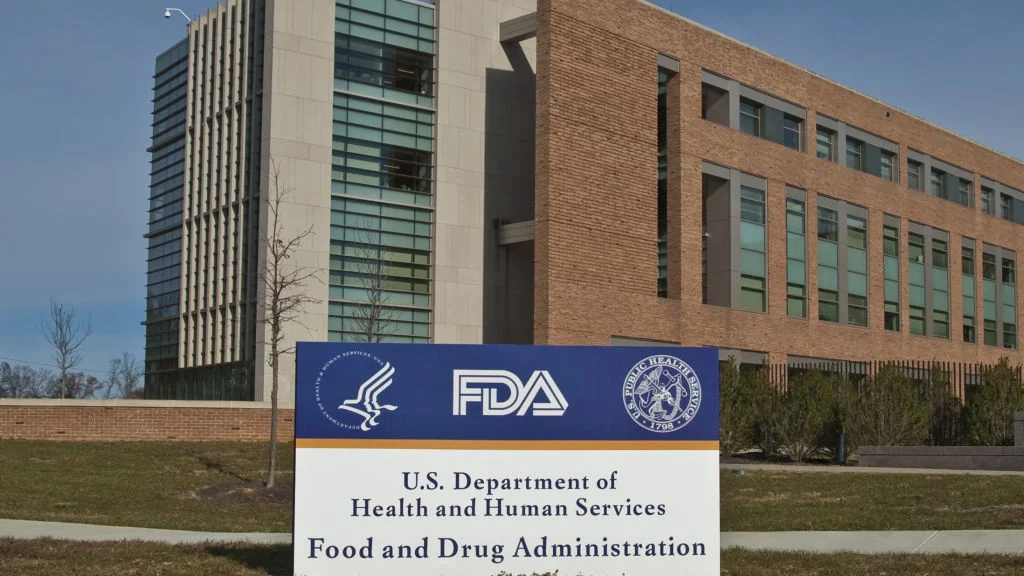
The FDA is set to outline its regulatory approach to generative AI in medical devices, aiming to provide clarity to the technology ecosystem.
The Importance of FDA Guidelines for Generative AI in Healthcare
The integration of generative artificial intelligence into healthcare technology is set to transform the way medical devices operate. The FDA's initiative to establish regulations in this space signifies a major step forward towards ensuring safety and efficacy. Generative AI, a form of machine learning that creates new content based on learned patterns, presents unique challenges when applied in medical contexts. With devices potentially generating treatment plans or diagnostic information, clarity in regulation will be essential for both practitioners and patients.
The FDA's Role and Challenges Ahead
The FDA's Digital Health Center of Excellence is at the forefront of this regulatory effort. Rick Abramson's acknowledgment of the upcoming policy documents underscores the agency's proactive stance in addressing the complexities that generative AI introduces. Setting guidelines for such a rapidly advancing technology isn't just about keeping pace; it's about shaping the landscape for responsible innovation. The FDA has faced similar challenges in the past, especially with the rise of telemedicine and mobile health applications. Adapting to these advancements often involves navigating debates on efficacy, safety, and ethical considerations.
Understanding Generative AI in Medical Devices
Generative AI's applications range from developing personalized patient care plans to simulating complex biological systems for research. However, incorporating such technology into medical devices can lead to risks if not appropriately regulated. For instance, what happens if a generative AI model produces a diagnosis that is incorrect or misleading? The question of accountability becomes paramount. It’s essential that guiding principles address these concerns thoroughly. The FDA's previous experiences with software as a medical device (SaMD) will likely inform its approach but will have to be expanded to encompass the specific challenges generative AI poses.
Seeking Specialized Guidance
Abramson pointed out the necessity for both overarching policy and specialized instructions related to generative AI. This dual-layer approach is logical; different use cases and technologies will naturally require distinct considerations. For example, AI that generates images for radiological assessments demands a different regulatory focus than AI designed to analyze patient history and suggest treatments.
Moreover, specialized advice can guide developers in understanding the data requirements and validation processes needed for compliance. Companies looking to innovate will need to factor in these guidelines early in their design processes. Waiting for post-development reviews could lead to costly setbacks, or worse, misuse of technology that puts patients at risk.
Implications for Stakeholders in Healthcare
This upcoming guidance isn't just for tech developers; it impacts healthcare providers, patients, and researchers, too. If you’re working in this space, you’ll need to prepare for possible shifts in protocols and data handling practices. Transparency in how generative models are trained and the data that feeds them will become increasingly important. Trust in AI applications must be established, particularly in high-stakes environments like healthcare.
Patients will also need reassurances about AI's role in their care, especially if decisions made by AI systems carry significant consequences. The integration of AI in medicine requires a strong narrative of reliability and safety, which will rely heavily on FDA communications. Without that assurance, pushback against AI solutions in healthcare could become pronounced.
Medium-Term Consequences and Looking Ahead
The direction the FDA takes will likely have ramifications beyond the immediate regulatory framework. As generative AI technology continues to evolve and permeate various industries, a lack of clarity could stifle innovation. Companies may hesitate to invest in generative AI applications if they feel the ground is shifting beneath them. The FDA's clarity can foster a more stable environment where innovations can be safely explored and implemented.
Moreover, the development of comprehensive regulations might set a precedent for how other agencies worldwide could approach similar challenges in their jurisdictions. Other sectors might look toward the FDA’s framework as a model, creating a ripple effect that could improve standards across technology and healthcare landscapes globally.
Final Thoughts: Embracing Innovation with Caution
In the end, the FDA’s forthcoming guidance on generative AI will shape not just the regulatory framework, but the entire trajectory of AI integration in healthcare. The agency's commitment to transparency and informed policy-making is commendable. However, the implications of this technology cannot be understated. Generative AI holds significant promise, but realizing that promise safely will require careful navigation of ethical, regulatory, and practical challenges.
The true impact of these upcoming guidelines will depend on how well they accommodate the rapid pace of AI advancements while prioritizing patient safety and outcomes. Balancing innovation with safety is never an easy task, but it’s one that the FDA seems committed to taking head-on.
Discussion
Sign in to join the discussion.