Discover why Luxor is the prime destination for the 2027 total solar eclipse, offering the longest totality and rich ancient history.
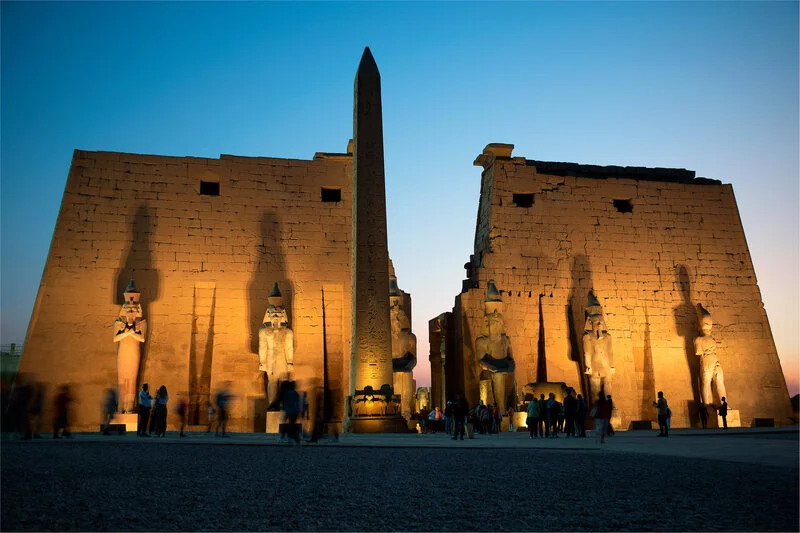
2027 Total Solar Eclipse: The Path of Totality
Set for August 2, 2027, the total solar eclipse will sweep across southern Spain, North Africa, and the Arabian Peninsula, offering a spectacular celestial event. The highlight occurs near Luxor in the Nile Valley, where the totality lasts a remarkable six minutes and twenty-three seconds, the longest duration accessible from land until 2114.
To put this into perspective, most total solar eclipses offer only two to three minutes of totality, with the notable North American eclipse of 2024 providing a maximum of four and a half minutes. Luxor’s unusually lengthy totality makes this eclipse an unparalleled opportunity for astronomy enthusiasts and travellors alike.
The sky over Luxor in August boasts a cloud cover probability ranging from one to twenty percent, offering one of the best chances for clear views of this astronomical event. With a shadow path approximately 250 kilometers wide, Egypt's central region is not just about the duration; it also hosts an incredible array of ancient monuments tied closely to solar phenomena.
Much excitement surrounds this upcoming event, with eclipse chasers dubbing it the solar eclipse of the century long before 2027. Hotels throughout the area have been filling up rapidly, making early planning essential.
Why Luxor Stands Out
While the path of totality extends across nine countries and includes destinations like Gibraltar, Luxor emerges as the optimal location for several reasons. This ancient city is positioned almost perfectly along the centerline of totality, allowing viewers to experience the eclipse for nearly the maximum duration available anywhere. It also features an airport and ample accommodation, making it accessible for large crowds.
The peak of the eclipse will occur at approximately 1:05 PM local time, when the sun will be nearly directly overhead at 82 degrees, ensuring that spectators are treated to a dramatic display of nature obscuring the sun.
One common misconception is that Cairo lies within the path of totality. In reality, visitors in Cairo will only witness a partial eclipse, which pales in comparison to the full experience offered by Luxor, where eclipse-goers will enjoy the complete six minutes of darkness.
Ancient Temples: Built for Solar Events
The ancient Egyptians had a profound relationship with the sun, and many of their monumental structures were designed to celebrate solar occurrences. For instance, the Temple of Abu Simbel, a testament to the grandeur of this civilization, was constructed around 1244 BCE by Rameses II. This massive temple was built with a specific design so that twice a year, sunlight would illuminate three colossal statues within its innermost chamber — a sight still witnessed today.
The temple was famously relocated in the 1960s to protect it from the flooding caused by the Aswan High Dam, showcasing the lengths to which the world has gone to preserve Egypt's cultural heritage. Each year, on February 22nd and October 22nd, sunlight still floods the sanctum, paying homage to ancient architectural brilliance.
Meanwhile, the Colossi of Memnon, standing for more than 3,400 years, are an acoustic marvel known for their resonance at dawn. Luxor is also home to the tomb of Nefertari, revered for its stunning murals, and the tomb of Rekhmire, highlighting the daily life of ancient Egyptians.
Alternatives along the Eclipse Path
The path of the eclipse also touches southern Spain — notably Cádiz — and stretches to Tangier in Morocco. These locations offer unique experiences; however, they don’t provide nearly the same duration of totality as Luxor. In southern Spain, totality lasts only about two minutes and fifty-six seconds, while in Morocco, observers can expect around four minutes and fifty-one seconds. As a result, while they may cater to travelers seeking less complicated access, they can't match the dramatic spectacle of Luxor.
Furthermore, several countries along the path, such as Algeria, Tunisia, Libya, and parts of the Arabian Peninsula, pose travel risks or have restrictions in place. Prospective travelers should confirm the travel advisories issued by their governments before committing to any plans, as a six-minute long eclipse isn't worth risking personal safety.
Planning Your Trip: Tips for Success
The key to maximizing this experience lies in early and flexible planning. Hotels in the popular regions have been booking out since 2024, with rates already rising significantly. Those intent on attending the eclipse should consider reserving accommodations as soon as possible — up to eighteen months in advance is sensible for an event of this magnitude.
Decide early if you want the hustle and bustle of the city or a quieter experience in the nearby desert, which also happens to be near the point of greatest totality. This area may allow for a longer duration of totality, but may lack the convenience of urban amenities.
Proper eclipse glasses are a necessity; they should meet the ISO 12312-2 standards for direct solar observation. Remember that these glasses come off only during totality, so be ready for safe viewing.
A trip to Luxor in August also requires careful consideration of weather conditions, as the region can be extremely hot. Consider padding your itinerary with extra days to fully enjoy the ancient sites without the rush associated with a single event.
Lastly, choose a destination that captivates you beyond just the eclipse. While the likelihood of cloud cover in Luxor is low, it’s always wise to ensure that whatever journey you undertake includes compelling attractions, regardless of the solar show.
Discussion
Sign in to join the discussion.