The North American Cryptid Museum in Plano, Texas, offers an immersive experience with life-sized displays of folklore creatures, blending learning and fun.
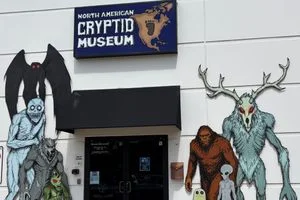
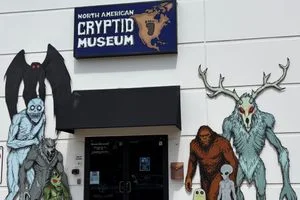
At the North American Cryptid Museum (NACM) in Plano, Texas, owner Allen Hopps is on a mission to engage audiences with the monsters of American folklore. With a background steeped in the haunted house industry, Hopps has transformed his childhood fascination with legendary creatures into a vibrant exploration of cryptids. The NACM is not just a museum; it’s an experience. Hopps’s goal is to captivate visitors of all ages, leaving them with a blend of wonder and curiosity about the myths that pervade American culture.
The Genesis of a Monster Museum
Hopps, who found his early passions in creatures like werewolves and Bigfoot, has a longstanding connection to the world of monsters. His journey began in the haunted house industry, which shaped his ability to design immersive experiences. This background has profoundly influenced his approach to the NACM. Unlike traditional museums, which often rely on static displays and informational plaques, the NACM prioritizes storytelling. Visitors don't just look at objects; they engage with them, stepping into elaborate scenes that breathe life into folklore. This unique approach allows for an emotional connection to the narratives behind cryptids, making the experience more impactful.
A Unique Approach to Cryptozoology
What sets the NACM apart from conventional cryptozoology museums is its emphasis on "crypto-tainment." This approach serves to educate and entertain visitors through a fully sensory experience. Instead of being passive observers, guests actively participate in the exploration of carefully constructed environments. Each display invites interaction with over a dozen life-sized figures, featuring not just mainstream creatures like Bigfoot but also lesser-known entities such as the eerie Mothman from West Virginia and the elusive Beast of Bear Creek. These choices highlight that folklore isn’t just about the famous names; it’s a rich tapestry filled with a diverse array of characters.
Hopps’ perpetual commitment to growth is apparent in the museum's ever-changing exhibit lineup. New cryptids and attractions are introduced frequently, ensuring that returning visitors can always find something fresh and exciting. This dynamic environment fosters a playful atmosphere—guests are encouraged to actively search for their favorite legendary creature within the museum’s various themed rooms. This not only adds an element of fun but also invites guests to become part of the story, reinforcing the museum's mission to maintain an engaging narrative.
Technology and Immersion
In the spirit of enhancing the visitor experience, the NACM does not shy away from incorporating technology. Augmented reality components can sometimes be found within the displays, allowing guests to interact with cryptids in imaginative ways. Imagine peering through your smartphone or tablet and seeing a creature appear right before your eyes—a thrill that blends folklore with the possibilities of modern tech. Such applications reflect a trend where storytelling in museums utilizes advancements to create memorable experiences. This aspect of the NACM illustrates how traditional storytelling can be transformed by contemporary methods, resulting in an enriching visit that bridges old tales with new innovations.
Beyond Entertainment: The Cultural Significance of Monsters
Hopps emphasizes the intrinsic value of monsters as representatives of cultural narratives. “Monsters help us feel alive and prepare us for potential dangers,” he explains. They serve both as warnings and as reflections of human creativity, acting as mirrors to society's fears and desires. This philosophy underscores the NACM’s mission to engage both believers and skeptics alike. In many ways, monsters are emblematic of our collective consciousness, representing what we struggle to understand about ourselves and the world around us.
This deeper exploration offers visitors a chance to reflect on their perceptions and beliefs. The stories that surround these mysterious creatures are often steeped in local history, providing insight into the fears, values, and societal norms of various cultures. When examined closely, these narratives serve not just as adventure tales, but as important cultural artifacts that can deepen our understanding of human psychology and the communities that create them. Hopps’s vision recognizes that monsters are more than just entertainment—they’re part of our cultural fabric, sparking discussions about what we fear and what we believe.
Visitor Experience: A Delightful Dive into Folklore
Hopps’ creations, alongside the thoughtful layout of the museum, promise an enchanting journey for visitors. With attractions that hover between creepy, whimsical, and thought-provoking, the North American Cryptid Museum offers a delightful dive into the rich tapestry of folklore. Each visitor leaves not only with tales of cryptids but with a deeper understanding of what these legends represent. The NACM stands as a must-visit destination for enthusiasts of all ages, providing a blend of entertainment and education that’s often missing in less interactive exhibits.
Implications and Future Outlook
The NACM could signify a shift in how we engage with folklore and the creatures that inhabit its stories. As more people seek interactive experiences, museums like Hopps’s may serve as templates for the future—where engagement trumps passive observation. If you’re working in this space, you’ll want to keep an eye on this quickly evolving model of educational entertainment.
Moreover, as cultural narratives continue to shift, the stories told through creatures like Bigfoot and Mothman might evolve too, reflecting contemporary anxieties and aspirations. Hopps's museum could play a pivotal role in this ongoing dialogue about fear versus fascination, teaching us not just about the monsters we create but also about ourselves. Indeed, the future of the NACM—and similar establishments—may very well depend on their ability to adapt to changing cultural landscapes while remaining rooted in the storytelling traditions that define the genre. Monsters aren't going anywhere anytime soon—this museum is just one place where that fact comes alive.
Discussion
Sign in to join the discussion.