Jingling Pot in West Kingsdale, Yorkshire, offers thrilling vertical cave exploration with historical significance and unique geological features.
Jingling Pot: An Adventurer's Appeal
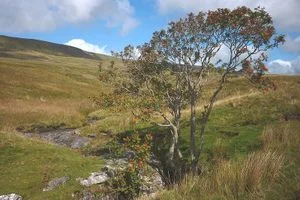
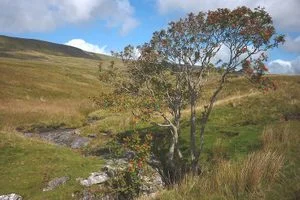
Located in West Kingsdale, Yorkshire, Jingling Pot is more than just a pothole; it’s a rite of passage for vertical cavers. This striking cave system, set against the breathtaking backdrop of Whernside mountain, plunges down to a depth of roughly 145 feet. For those drawn to the depths of the earth, this place offers two distinct journeys. Adventurers can either opt for a direct abseil down the main shaft, allowing for a quick descent, or tackle the traverse that leads into the Lateral Cleft. My personal adrenaline rush came from swinging into the cleft, a technique that's no longer endorsed due to safety concerns surrounding the health of the rowan tree used as an anchor. This highlights the ongoing tension between adventure and safety that pervades caving exploits.
The Routes and Experiences
Each route brings something unique to the table, and the stunning views are just the beginning. You’ll experience a mix of thrilling challenges and scenic beauty, which is what attracts both novice and seasoned cavers. The ascent utilizes single rope techniques, demanding a good level of climbing skill. If you're working in this space, know that the climb is as physically taxing as it is rewarding. The Lateral Cleft is particularly inviting for newcomers eager to practice their rigging techniques while still enjoying the thrill of caving.
On the other hand, trying to conquer both routes using an electron ladder is a feat that requires significant stamina and skill. It pays homage to traditional caving methods while also testing your limits. This dual approach—mixing classic techniques with modern equipment—reflects how caving isn't just about exploring the earth but also about how adventurers adapt to their environment.
Natural Intrigue and Historical Footprints
The entrance of Jingling Pot is surrounded by unique grassy profiles, making it a focal point for local sheep. Unfortunately, this has led to the disturbing occurrence of animals falling into the pit. It raises questions about the environmental management of the area; how can caving clubs balance human exploration with natural wildlife? As you descend, the scene becomes eerily silent, interrupted only by the unfortunate remains of sheep that occasionally linger at the cave's base.
Another remarkable aspect of Jingling Pot is its connection to history. A narrow rift leads into an additional chamber featuring the initials of members from the Yorkshire Ramblers Club, dating back to the cave’s exploration in 1897. It prompts a reflection on the legacy of caving in the region and the individuals who paved the way for modern spelunkers. The lateral cleft remained hidden until 1969, emphasizing the enigmatic nature of this site. What else might still be undiscovered?
Water from Jingling Brook, once a primary contributor to the cave's ecosystem, no longer flows directly into the cave. Instead, it often diverts to a nearby cave. Only during heavy rains does overflow occasionally spill into Jingling Pot, creating a dynamic interplay between geology and the environment. This fluctuation highlights the fragile ecosystem that makes this destination appealing yet precarious.
Implications and Significance
The status of Jingling Pot as a cherished cave for both novice and seasoned explorers speaks volumes about the culture of caving in the UK. It serves as a microcosm of the broader challenges faced in outdoor sports today. Increasingly, enthusiasts are finding themselves at a crossroads: the desire for adventure must be balanced with safety considerations. As more people gravitate toward such natural attractions, the responsibility of maintaining these spaces becomes paramount.
This becomes even more complicated with the introduction of newer techniques and technologies. As caving evolves, how will traditional knowledge mesh with modern practices? There’s an irony in the fact that while exploration expands, it often leads to the sacrifice of past methods that once defined the community. This is more significant than it looks—modern conveniences might streamline the experience, but they can also distill its essence.
And yet, there’s always a lingering question: with every new route and technique, what are we losing in the process? The allure of Jingling Pot lies not just in its depth and geological wonders but in its storied history and connections to human experience. This multifaceted aspect keeps both climbers and casual visitors coming back, ensuring that the cave remains a part of the cultural fabric of caving.
Ultimately, Jingling Pot stands as a reminder of the delicate balance between human curiosity and nature’s power. The thrill of descent is accompanied by the weight of ethical exploration. Cavers and outdoor enthusiasts must ask themselves not just how deep they can go, but also how they can respect and preserve these remarkable sites for future generations.
Discussion
Sign in to join the discussion.