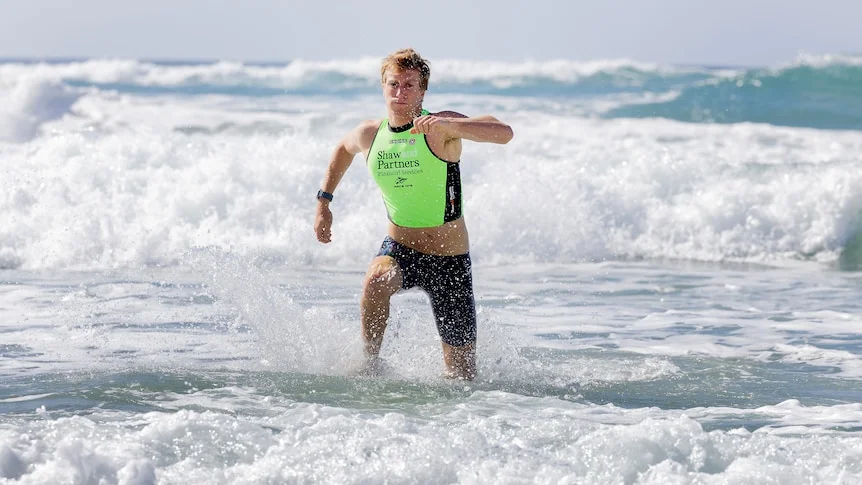
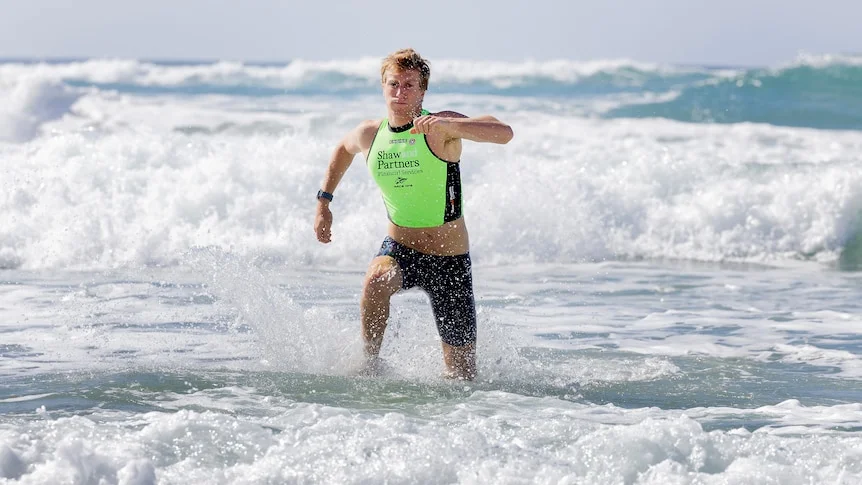
Charlie Verco takes his first Iron Series win at Thirroul Beach as top seed, while Naomi Scott claims the women's event.
A Top Seed Delivers
Charlie Verco arrived at Thirroul Beach as the series' top seed, and on Sunday he turned that status into a result. The 25-year-old won the third round of the Iron Series in a sprint finish, his first win in the competition, five months after a rescue that tested him well beyond the race course. That's a lot to carry into a single race. Plenty of athletes would struggle to separate the two, and Verco appeared to do exactly that.
Verco held off Ethan Callaghan and Henry Simpson to the line. He had entered the series as the favourite following the retirement of Ali Day, a name the sport will have to fill. Here's the thing: the pressure that comes with that role didn't seem to rattle him. Favourites in surf lifesaving races often look solid on paper and then wobble in the final stretch, when the pack is tight and every metre matters. Verco didn't wobble. I'd call that more significant than a single win suggests.
Losing a competitor of Day's standing changes the arithmetic of a series. Expectations shift, rivalries get rewritten, and the sport has to find new storylines to hold attention. Verco now occupies a spot that used to belong to someone else, and that carries its own scrutiny. Whether he can keep that position is a separate question from whether he deserved to take it this weekend.
From Coogee to the Front of the Pack
The result carries the weight of June. Verco paddled toward danger at Coogee Beach and pulled the unconscious Leah Stewart from the surf after a shark attack. Stewart spent 12 days in critical condition in hospital and went through a series of surgeries, including amputation of her arm. She eventually woke from an induced coma and was reunited with her daughter.
Rescues of that kind don't switch off when the next start gun fires. The physical strain is one thing, but the emotional residue lingers in a way that a finish-line photo can't capture. What stands out to me is how little of that story gets told through the trophy. The result is clean and measurable, while the rescue is messy and personal, and (this is the part most people overlook) the skills that let a lifesaver pull someone from rough water are the same ones that define the sport itself.
"Being able to manage the ups and downs of it, like the stressful rescue with Leah — I'm so happy that she was able to be alright," Verco said. "It meant that I was able to keep focused on what I love, which is the sport."
Verco described the whole stretch as a "roller coaster," and that tracks. He also pushed back on the idea that competition is all there is to the sport. "It certainly doesn't feel like we were doing a race like that," he said. "But I like that we have the skills to be able to go and help people when they need it."
Those comments matter more than the usual post-race platitudes. Athletes in this space are often asked to reduce their year to splits and placings, and Verco's answer pushes back against that framing. If you're following the series closely, that's a useful reminder that the people on the start line have lives that extend well past the sand.
Confidence at the Front
Verco framed the win less as luck and more as a shift in mindset. "It is a step up to try and put yourself at the front of the race as opposed to just being happy that you're here," he said. "And for so long that was my goal, was just to get here. It's all about confidence."
That distinction is the real story here. Many competitors build careers around making it onto the podium, and they treat a strong finish as the ceiling rather than a foundation. Choosing to lead, rather than sit in the pack and react, is a different kind of commitment, and it leaves less room for hiding if things go wrong.
He credited years of racing from the front. "I've spent a long time doing races trying to get myself comfortable being at the front and setting my own pace, and I think that definitely helps."
I'd be cautious about reading too much into one result, though. Front-running works until someone with a faster finish gets close enough to force a decision. The test is whether Verco can keep dictating pace when the field is stronger and the margins are thinner. That said, a sprint win over two rivals is a solid starting point, and it's hard to argue with the approach that produced it.
Scott Takes the Women's Title
Naomi Scott, from Northcliffe, won the women's event by pipping Emma Woods in a sprint up the beach. Her season is about to get busy. She heads to South Africa next week to defend her global Ironwoman title at the world lifesaving championships.
A margin decided by a sprint up the sand is a reminder of how fine the line is in these events. Scott and Woods were separated by almost nothing at the finish, which means small decisions in the closing metres mattered as much as fitness. Coverage of the men's race can dominate the headlines, but the women's result deserves its own attention, and it's a shame it sits in a shorter section.
Defending a global title is a different challenge from winning a domestic round. Scott now has to manage recovery, travel, and expectations all at once. If you're tracking how athletes balance national series with international championships, her schedule over the coming weeks is a clear example of how much pressure stacks up.
What It Means Going Forward
The Iron Series moves on to Newcastle in January, and that's where the field will test whether Verco's form holds up away from the surf he knows best. Thirroul gave him a strong result, but one round at a single venue doesn't settle a championship. Different beaches reward different strengths, and the next stop will show whether his front-running approach travels as well as his confidence does.
There's a larger question underneath all of this. Competitions like the Iron Series depend on athletes who can perform under pressure while staying grounded in why they're there. Verco's Coogee experience and his comments about it suggest he's thinking about that balance, and that's more useful to the sport than any single trophy. The rest of the season will show whether that perspective becomes a lasting advantage or just a good story for this year.
Discussion
Sign in to join the discussion.