Official estimates put Australia's black market tobacco at 5,893 tonnes, down from last year's peak, though the measurement range stays wide.
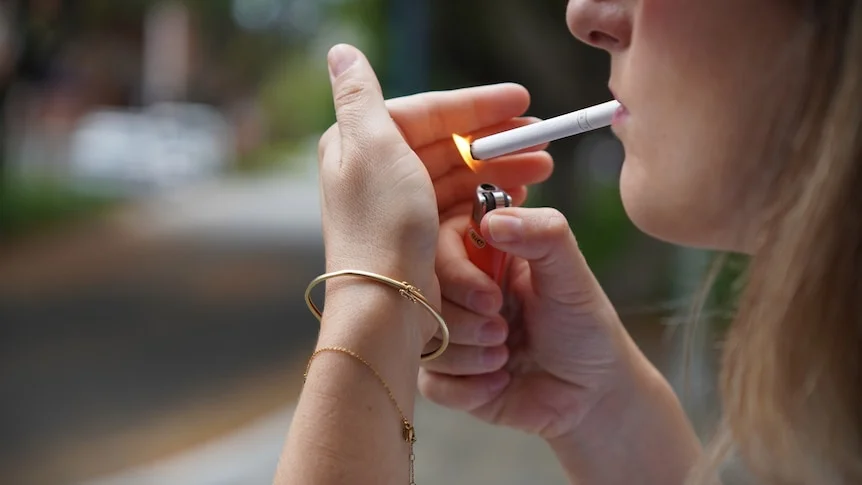
Australia's illicit tobacco market may have peaked. Official estimates put the black market at 5,893 tonnes, down from last year's peak of 5,972 tonnes, after five years of rapid expansion averaging 22.6 per cent growth a year. If those numbers hold, it's the first real reversal in years, and the Illicit Tobacco and E-cigarette Commissioner (ITEC) is betting enforcement is the reason.
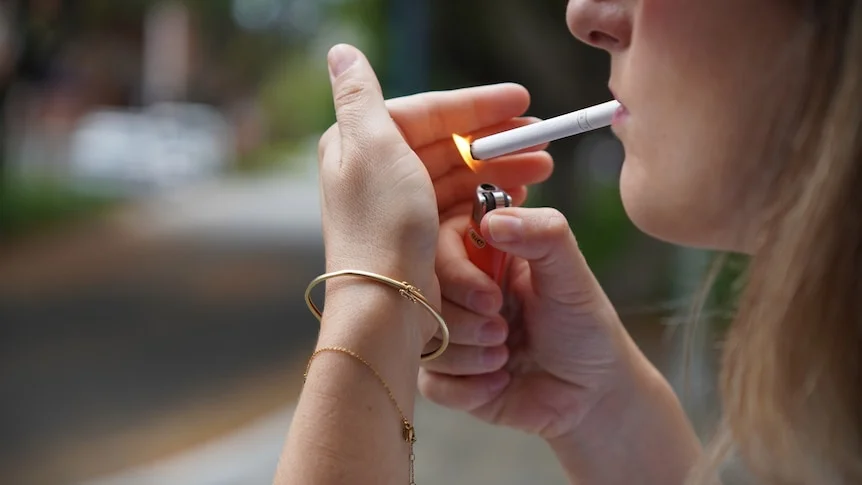
Here's the catch: nobody can measure a market built to stay hidden. ITEC says it tightened its estimate by pulling in several datasets this year, including biennial data from the Australian Institute of Health and Welfare. That narrows the range, but the low end is still 4,453 tonnes. The true figure could sit well below the central estimate, or the decline could be modest. That's a wide band to hang a claim of reversal on.
The seizure data complicates things. Australian Border Force officers recorded record seizures, including 730 tonnes in the first three months of this financial year. Big seizure numbers can mean enforcement is biting, or that supply is so large that interceptions are only a slice of it. My read is that the seizures support the enforcement story without settling how big the market actually is. The Australian Bureau of Statistics estimates up to four in five nicotine products smoked in Australia are now illegal, which shows the scale of the problem even if the decline is real.
A coordination model drawing attention abroad
The engine behind the crackdown is the National Disruption Group, which brings together 31 federal, state and territory agencies. Since it was set up last October, it has coordinated more than 600 operations. Those have produced seizures of 24 million illicit cigarettes and 3.6 tonnes of loose-leaf tobacco, along with more than $45 million in evaded tobacco duty and the closure of 1,300 stores.
Cross-border cooperation matters just as much. Referrals from foreign partners, 340 of them, resulted in tobacco and vape seizures. Terry Brown, assistant comptroller of intelligence and investigations at New Zealand Customs, said the multi-agency model is helping shape his country's enforcement response.
"The challenges posed by illicit tobacco are increasingly transnational, and effective responses require equally connected enforcement partnerships," he said.
"By sharing intelligence, insights and operational experience, our agencies are enhancing our collective ability to identify, disrupt and deter the criminal networks that profit from illicit trade across our region."
The policy fight over excise
Domestically, the debate is far messier. Assistant Minister for Customs Julian Hill argues the crackdown, alongside public health measures aimed at reducing demand, is "reversing years of growth."

"Every illicit cigarette seized, every store closed and every network disrupted sends the same message to criminals: we know who you are, we know how you operate, and we're coming after you and your profits," he said.
The opposition is pulling in the other direction. The Coalition and One Nation have proposed slashing tobacco excise by 80 per cent and 75 per cent respectively. The Coalition has also floated legalising and taxing vape and nicotine pouch alternatives so their content can be regulated. Labor counters that this pitch risks undoing the progress, pointing to daily smoking at a record low of 5.8 per cent and falling vaping rates.
Here's the thing: the illicit nicotine problem is far from solved. ABS figures show illicit nicotine consumption, covering e-cigarettes, vapes and loose-leaf tobacco, jumped from 12 per cent in 2017 to 80 per cent in 2025. That's the backdrop for every policy argument on the table.
The next ITEC estimate will be the real test. If the market figure falls again and seizures start leveling off rather than climbing, the reversal case gets much stronger. Until then, I'd treat the decline as a promising signal, not a settled trend.
Discussion
Sign in to join the discussion.