More than 50 cygnets face fox predation as Lake McLarty dries early; rescuers are coordinating access and safety arrangements with DBCA.
A rescue effort under pressure
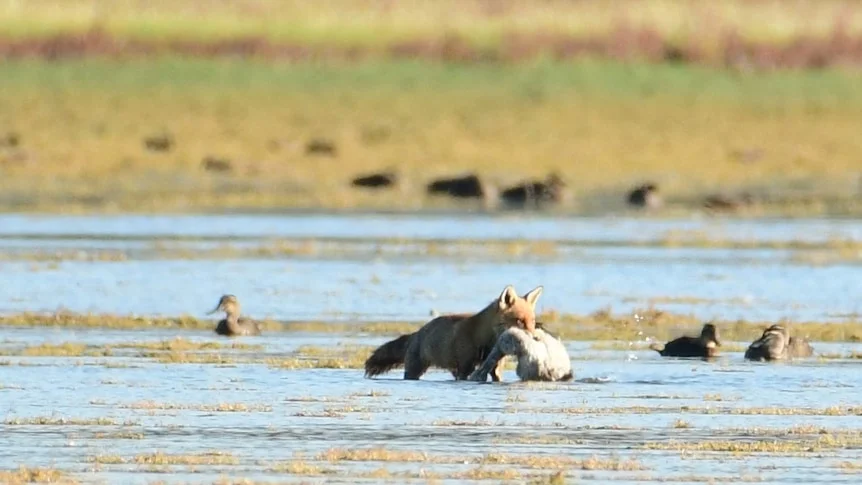
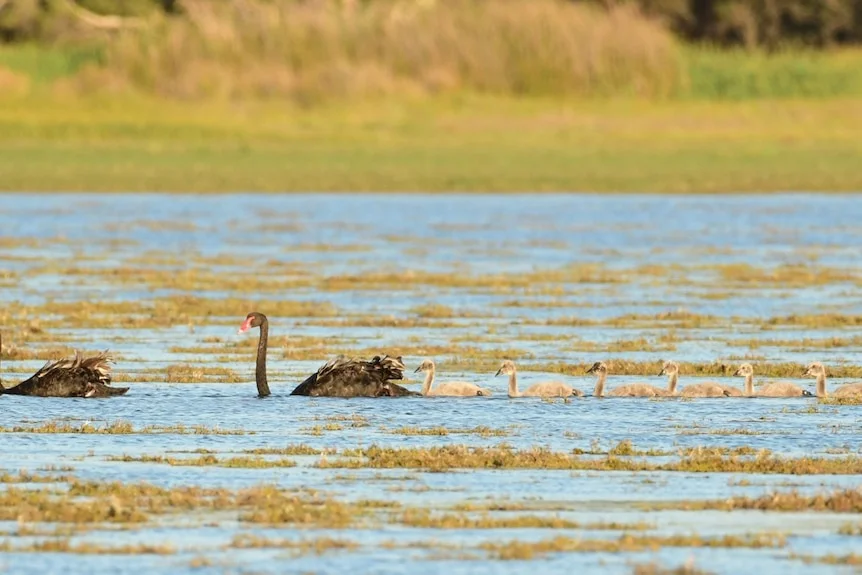
More than 50 black swan cygnets are at risk as water recedes at Lake McLarty, south of Mandurah, leaving young birds increasingly exposed to foxes. The conditions have prompted a time-sensitive response by WA Seabird Rescue and other volunteers, who are trying to identify which cygnets need help and reach them while a rescue remains possible.
Rachel Olsen of WA Seabird Rescue said she counted about 60 cygnets during an early visit. Some were without their parents, and foxes had already killed birds. The group had only recently learned about the situation, she said, and regarded it as urgent.
The count gives a sense of the scale, but it doesn't establish that every cygnet is orphaned or in immediate danger. That distinction matters in wildlife rescue: intervention has to focus on animals that need assistance, while allowing families able to remain together to do so. The task is complicated by a shrinking area of water and the presence of predators.
Access and safety arrangements
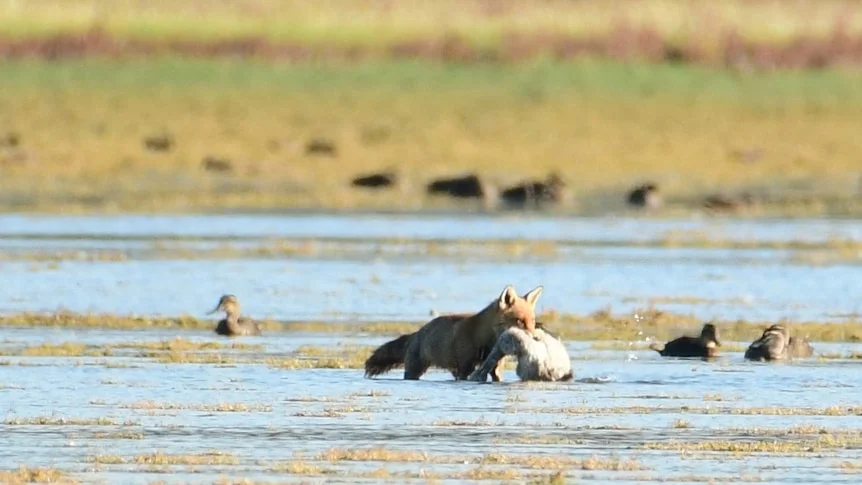
Rescuers spent much of the day discussing the operation with Western Australia’s Department of Biodiversity, Conservation and Attractions (DBCA), which manages the reserve. The department says wildlife rehabilitators can enter to monitor and rescue cygnets, while raising safety concerns about a proposed event involving around 100 people.
That distinction shapes what can happen on the ground. A small, directed rescue operation and a gathering of around 100 people create different demands for access, coordination and safety. DBCA said it was working with WA Seabird Rescue to arrange volunteer entry and manage risks associated with the larger gathering.
Olsen said the rescue was expected to proceed that afternoon, with volunteers planning to collect cygnets that needed help. The stated plan was therefore targeted: assess the birds and take those requiring care. In a fast-changing situation, access arrangements can determine whether that assessment happens in time.
Early drying concentrates the birds
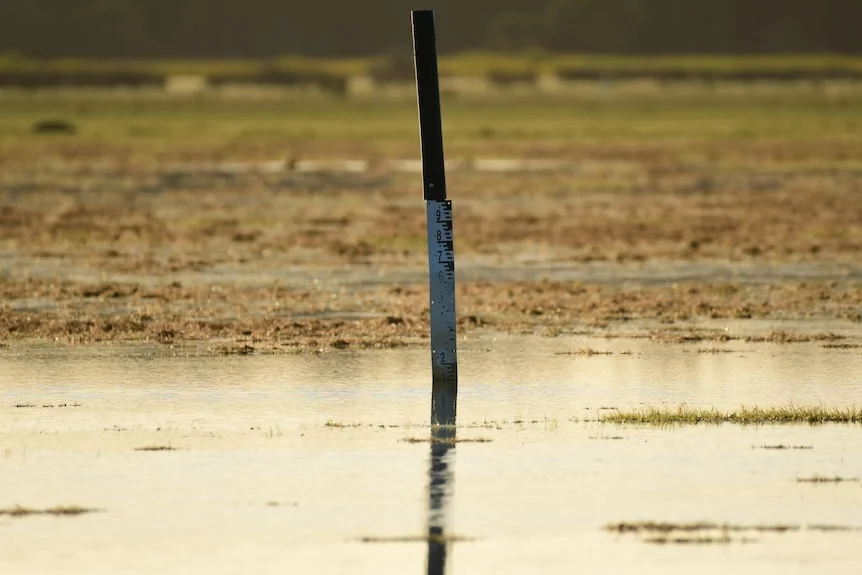
Olsen said Lake McLarty was drying earlier than usual. As water and food become scarce, swans are gathering in a smaller area, increasing the danger from foxes. Adult birds may abandon their young under that pressure, she said, leaving cygnets exposed.
This is more significant than it looks: lower water levels change how wildlife and predators encounter one another. When birds are concentrated in less space, the separation and refuge that water can provide may diminish. The account points to a chain of pressures—less water, fewer places to feed, tighter groups of birds and easier access for foxes—rather than a single isolated threat.
That doesn't mean every young bird will be abandoned, or that the same outcome is inevitable across the lake. Olsen's description is of a risk developing under difficult conditions. For rescuers, the practical question is which cygnets are already separated or vulnerable enough to warrant intervention.
What the rescue can—and can't—resolve
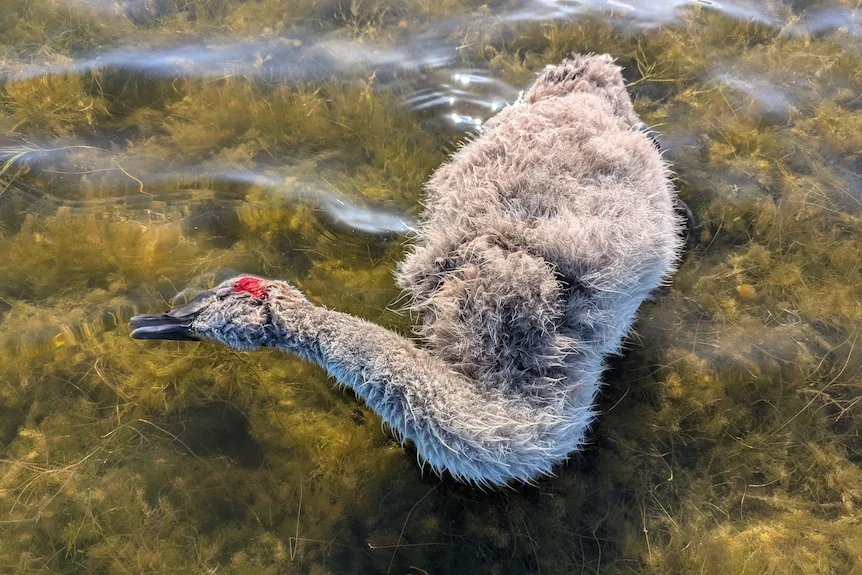
Olsen said the loss of young birds is a natural process, but one where people can intervene. That is a measured position: rescue can help individual cygnets facing immediate danger, while the conditions that brought foxes within reach remain part of the wider problem. The account doesn't establish how long the lake will remain low or what will happen to the birds that aren't collected.
If you're working in this space, the tension is familiar: respond quickly enough to prevent avoidable deaths, while making careful decisions about which animals should be handled. Here, the volunteers' immediate challenge is to gain access, assess the cygnets and act before conditions worsen. (And this is the part most people overlook.) A rescue is only as effective as its timing and the ability to reach the animals safely.
For now, the effort's scope is concrete and limited: volunteers intend to collect cygnets that need help at a lake where water is receding and foxes have already killed birds. The window may be narrow. The uncertainty is whether access and the birds' changing circumstances will allow rescuers to reach enough of them in time.
Hard choices, made quickly.
Discussion
Sign in to join the discussion.