A Productivity Commission report links steep regional fares to thin competition and high operating costs, and proposes route subsidies through open tenders.
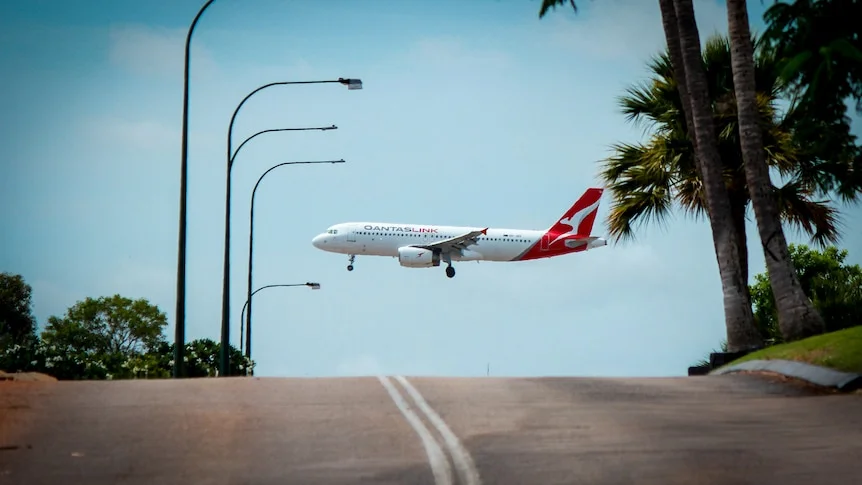
Regional airfares in Australia average 173 per cent more per kilometre than fares on major city routes, according to an interim Productivity Commission report. Its findings point to a difficult mix: limited competition, high operating costs and low passenger volumes are pushing up prices while airlines continue to cut services.
A family of four paid $3,200 for a one-hour flight from Kalgoorlie to Perth, the report said — about the price of one return ticket to Europe. Commissioner Catherine de Fontenay said communities were frustrated by the cost, adding that previous inquiries had lacked the evidence needed to explain how regional fares are set.
Thin markets leave passengers with few choices
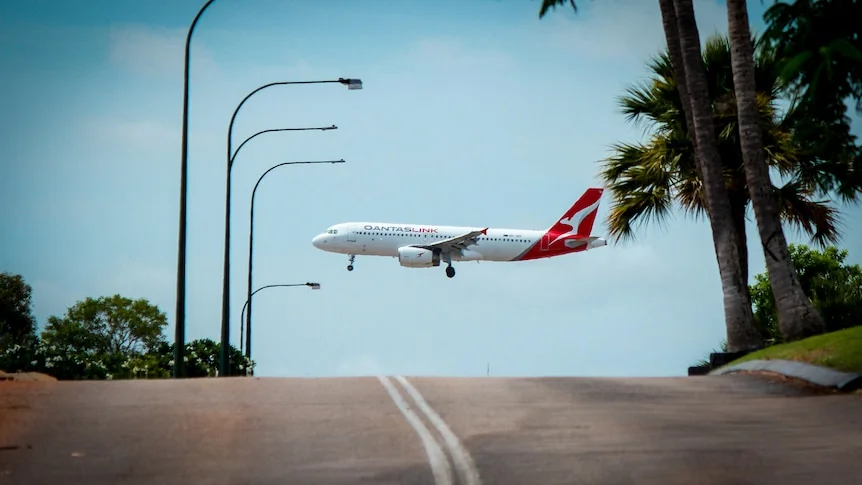
More than 90 per cent of regional and remote passengers flew with the Qantas Group or Virgin Australia in 2025, the report found. A single airline served 72 per cent of routes, leaving many communities with little direct competition.
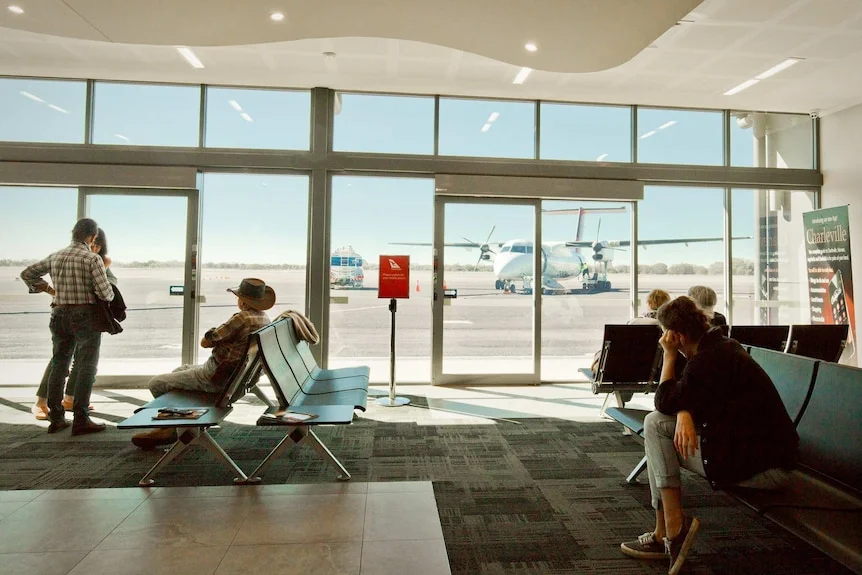
Passenger numbers are often too low to support frequent services. Half of regional and remote routes operate 10 or fewer flights a week, and more than a third of seats go unsold, Commissioner Martin Stokie said. Airlines can end up choosing between higher fares and operating at a loss.
Costs add to the pressure. Airlines spend about 91 cents of every dollar earned on regional operations, including fuel, maintenance and airport fees. Qantas Domestic CEO Markus Svensson told a Senate inquiry that, on a typical $197 fare, about $93 goes to government, airport and security fees before the airline pays for its aircraft, crew, fuel or maintenance.
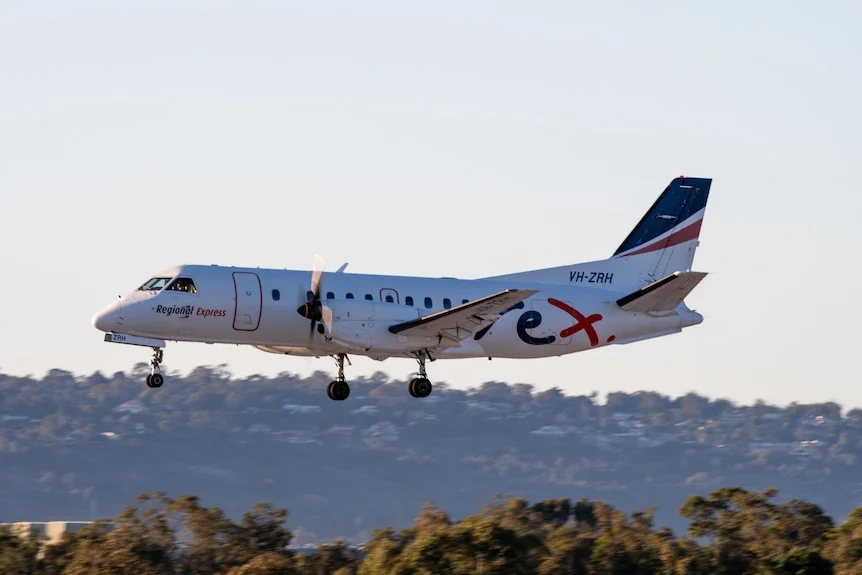
Returns differ sharply by route. Mining services can be more profitable, while some short remote routes with fewer passengers have margins below 5 per cent. Rex entered administration in 2024 after expanding into capital city routes; it had been losing about $1 million a week and cited high operating costs and difficulty competing with Qantas and Virgin.
High fares carry a wider cost
The commission received more than 100 submissions describing how expensive flights affect families and remote communities. The Northern Territory’s Yalu Aboriginal Corporation said children in care could lose contact with family because relatives cannot afford to travel.
Regional Development Australia Mid North Coast said last-minute fares can put court hearings, mediation and supervised visits out of reach for some parents. A remote resident also described being unable to afford flights for a daughter’s essential medical appointment because the Patient Assistance Transport Scheme did not cover the cost.
Even with a Western Australian government scheme that limits regional fares, one resident said a return trip to Perth could still cost about $600. The report argues that medical travel support needs to address upfront costs, alongside subsidies for essential routes airlines cannot serve commercially.
Commission proposes route tenders
The commission recommends directing government assistance toward keeping communities connected rather than supporting particular airlines. Under its proposed approach, governments would put subsidised routes out to tender, allowing carriers to compete to operate them.
The inquiry was commissioned by Treasurer Jim Chalmers as airlines cite fuel costs and weak demand while withdrawing regional services. The commission is inviting further submissions and registrations for public hearings, with its final report due in April 2027.
Route suspensions and cancellations listed for 2026 include QantasLink’s Adelaide–Mount Gambier and Coffs Harbour–Melbourne services; Qantas’s Alice Springs–Melbourne route; and Jetstar’s Brisbane–Mackay service. Virgin Australia has indefinitely suspended Brisbane–Alice Springs, Adelaide–Cairns, Brisbane–Uluru and Melbourne–Uluru. Link Airways suspended Shellharbour–Brisbane and Shellharbour–Melbourne, while Rex cancelled Melbourne–Devonport and King Island–Burnie and indefinitely suspended Sydney–Orange and Sydney–Port Macquarie.
The report’s central policy question is how to preserve routes that communities rely on when low demand and high costs make regular commercial service hard to sustain. Its final recommendations will follow the next round of public input and hearings.
Discussion
Sign in to join the discussion.