Fourteen years on, Abbott calls Gillard’s speech unjustified, while she recalls dominating the chamber amid the Peter Slipper controversy.
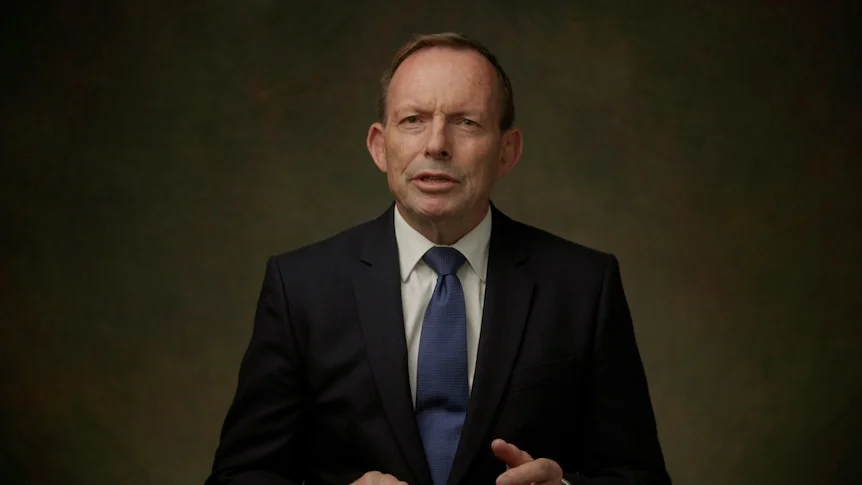
A speech Abbott thought went too far
On ABC iview’s *I Was Actually There*, Abbott recalled knowing Gillard for years and regarding her as a formidable politician. They had respected each other, he said, though that respect was fraying before the speech. “I thought it was a pretty over the top and unjustified attack,” Abbott said. He also said he was not conscious of treating women differently or treating them as lesser. As Gillard began speaking, he remembered thinking she was “really … going over the top”. Gillard’s account was different. “I felt calm in the moment,” she said. “And I felt the reaction to it showed that I was dominating that environment.” Abbott later characterised most of Gillard’s accusations as excessive or somewhat unfair. He said she had portrayed him as old-fashioned, clumsy and insensitive, and described the speech as a “highly theatrical, politically powerful piece of drama”. Still, he argued, Peter Slipper’s resignation by the end of the day vindicated what Abbott had said in Parliament.The dispute behind the speech
Gillard rose to answer an Abbott motion accusing the Labor government of sexism and misogyny over its decision to install Peter Slipper as Speaker and keep him in the role. Labor was governing with a minority in the House of Representatives, and Slipper, a Liberal MP, had taken the speakership in a move that helped the government maintain its numbers. The pressure to remove Slipper grew after his former staffer James Ashby accused him of sexual harassment. Slipper resigned as Speaker after the allegations. It also emerged that he had sent Ashby sexist and highly offensive text messages about female genitalia. The government’s refusal to remove him had opened it to charges of applying a double standard. Gillard said she knew she would be targeted in Parliament over the Slipper controversy. She described the speech as off the cuff, but said she had asked her team to compile Abbott’s “most sexist quotes” for reference. She called him “rent-a-gaffe about sexism issues”, comparing the exchange to a card game in which she could raise each accusation with another of his remarks. Abbott saw the speech as an attack designed to deflect criticism. Gillard recalled feeling resentment and anger at facing a sexism charge after years of gendered criticism. Their accounts capture the speech’s enduring political tension: Abbott focused on the government’s handling of Slipper, while Gillard challenged the credibility of his accusations.The remark that set it off
Just before Gillard spoke, Abbott had said the Labor government should “already have died of shame”. He later called the comment “a bit of a niggle” and defended it by saying the government had let itself down and should be ashamed. The wording echoed controversial remarks by radio host Alan Jones made after Gillard’s father died. Gillard said she was amazed when she heard Abbott’s words and felt “a kind of cool anger”. Those remarks, the fragment says, prompted her response.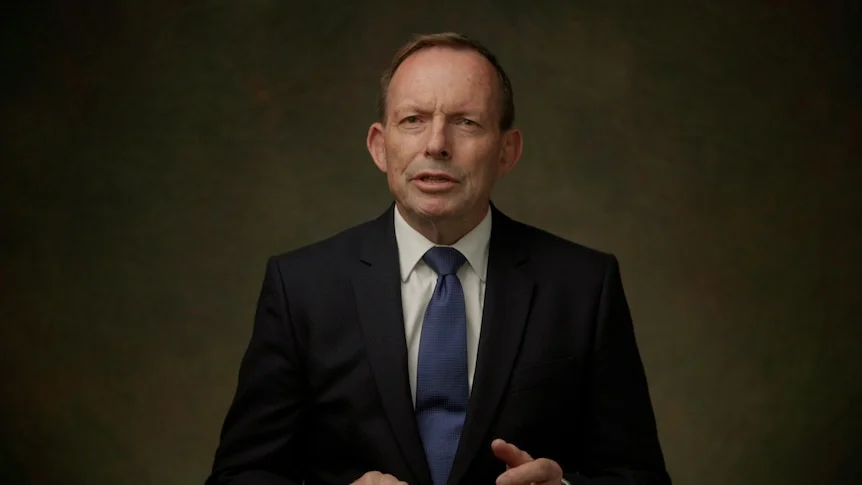
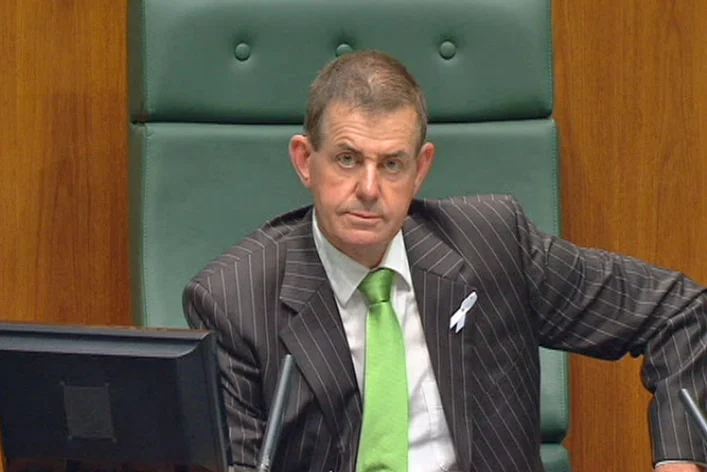
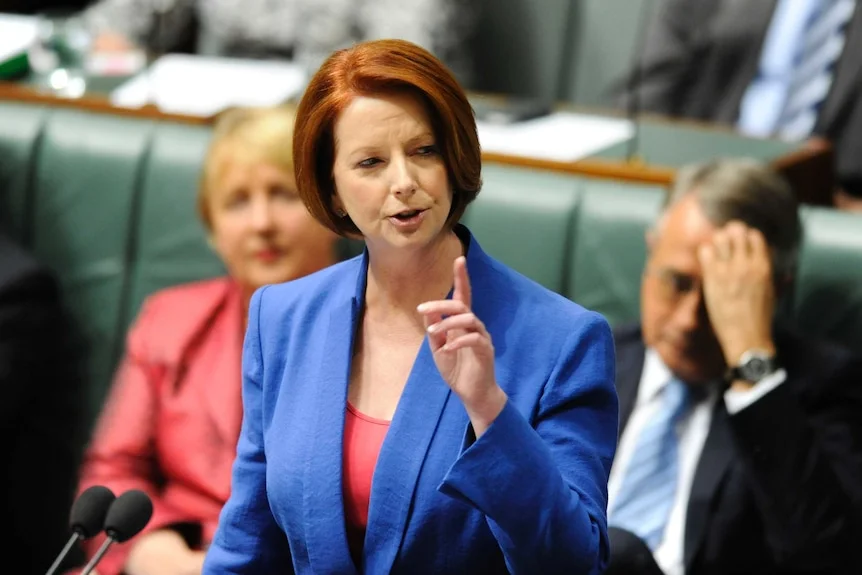
Tony Abbott saw Julia Gillard’s speech as a tactical response to criticism over the Slipper affair. Gillard later described it as a turning point: she had previously chosen not to foreground gender, but Abbott’s attack gave her a chance to do so. The press gallery initially shared Abbott’s reading. The speech’s international reception showed that it had resonated well beyond the day’s parliamentary dispute.
An ‘iconic’ moment in the making
Abbott says he didn’t expect the speech to become a feminist touchstone. He regarded it as an effective parliamentary move, then watched it take on a life of its own. He likened its rhetoric to Helen Reddy’s “I Am Woman, Hear Me Roar.” That transformation is the striking part: a speech meant to answer a political attack became a symbol for audiences far beyond Parliament.
Gillard says people still bring up the speech with her, in Australia and overseas. Yet she has never watched the recording. She wants to keep her memory of that day as she experienced it, without the video reshaping it.
We've got a story for you. Stream I Was Actually There free on ABC iview or watch Mondays at 8pm on ABC TV.
Discussion
Sign in to join the discussion.