David Jones faces competing administrator and receiver appointments, with store closures and stock sales likely as they determine the retailer’s future.
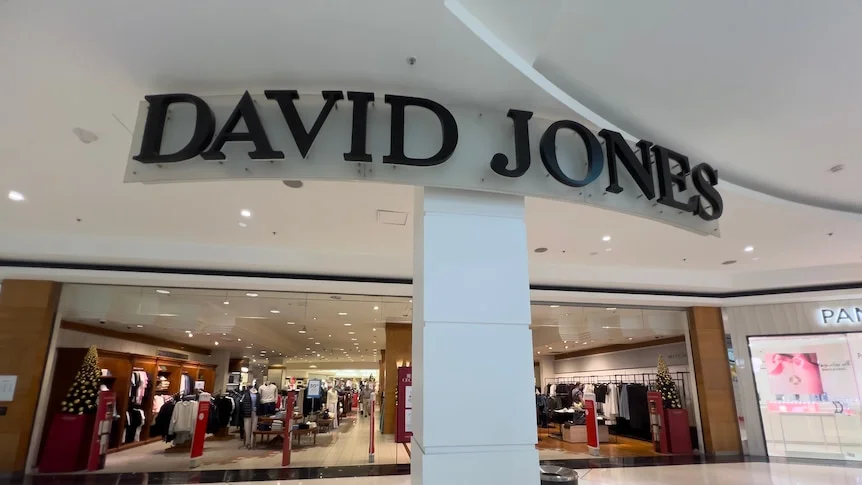
David Jones’ financial crisis has moved into a contest over who controls its next steps. The retailer’s directors appointed McGrathNicol as administrators, while its largest creditor, Hilo Global, appointed FTI Consulting as receiver. Those appointments put two firms with different responsibilities inside the same crisis. Their decisions will shape the store network, the handling of stock and whether the 188-year-old business can be restructured.
The split appointments reflect two routes directors and creditors can take when a business can’t meet its debts. Administration examines the company as a whole; receivership gives a secured creditor a way to protect its interests in particular assets. That distinction matters here because Hilo’s security is over David Jones’ stock, while the administrators are assessing the retailer’s broader position.
The immediate focus includes David Jones’ obligations, particularly rent owed to landlords such as Scentre Group, which owns Westfield shopping centres. Rent is one part of a larger set of competing claims on the company’s resources. How those claims are handled will affect landlords, suppliers, employees and the practical options available for keeping stores open.
What administration means for the business
When a company can’t pay debts as they fall due, it’s described as insolvent. Directors who believe insolvency is occurring or is imminent can appoint an administrator to take control of day-to-day operations and assess the company’s position. Administration creates a period for that assessment, giving the company and its creditors a clearer view of what can be preserved and what may have to change.
That appointment can temporarily pause payments while administrators examine the business. For David Jones, overdue rent is among the obligations affected, but the pause doesn’t erase those debts. Instead, administrators consider the company’s assets and liabilities, the demands from creditors and whether the business can continue in some form. Possible paths include a restructure or winding the business down.
Creditors have a separate option: they can appoint an administrator or a receiver to protect their interests. In this case, Hilo Global appointed FTI Consulting as receiver, while the directors appointed McGrathNicol as administrators. Both firms are now involved in determining what happens next, but they’re working from different mandates. That makes coordination important, especially when a decision about stock or stores could affect more than one group.
The receiver’s position is shaped by Hilo’s security over David Jones’ stock. That gives the creditor an interest in how merchandise is handled and sold, while the administrators assess the broader business. Their priorities may not align: a sale that helps turn stock into cash could also affect the retailer’s ability to trade or the value of remaining inventory. This is more significant than it looks.
Why the pressure has been building
David Jones’ predicament fits a longer squeeze on large physical retailers. Online shopping has eroded the value and prospects of traditional store networks over the past decade, while some chains have adapted to online sales more successfully than others. The shift has changed what a department store needs to offer: a large physical footprint has to justify its costs through customer demand, service or a shopping experience that online channels don’t provide in the same way.
The strain on bricks-and-mortar retail has been visible for years, making the company’s collapse less surprising to industry insiders. Still, a familiar industry problem doesn’t explain every company’s outcome. The challenge for administrators is to determine whether David Jones can operate at a scale that makes sense under its current obligations, rather than assume that the pressures facing the sector dictate a single result.
Consumer spending faces another headwind. This week’s interest rate rise pushed borrowing costs to their highest level in 18 years, adding pressure on household budgets ahead of Christmas, a key trading period for retailers. For department stores, that timing matters: shoppers facing higher borrowing costs may be more cautious about discretionary purchases just as retailers depend on seasonal trade to bring in sales.
There may be a counterpoint for competitors. If David Jones leaves shopping centres or sharply reduces its footprint, landlords could have space to fill, and other retailers may benefit from lower rents. Yet empty or reconfigured space can also take time to repurpose, and the departure of a major department store may change how customers use a centre. The potential upside for rivals sits alongside a weaker spending outlook and the disruption of a large retailer’s retreat.
Store closures and stock sales loom
A substantial reduction in David Jones’ store network appears likely as the administrators and receiver work through the company’s options. A smaller footprint could reduce operating demands, but it would also leave questions about which locations can support continued trading and how the business would serve customers elsewhere. Any decision will be shaped by the retailer’s debts as well as the commercial prospects of individual stores.
Excess stock may also be sold. The scale and timing of any sales will matter because Hilo’s loan is secured against that inventory. Selling merchandise can generate cash, but discounting too aggressively could lower the amount recovered from stock that stands behind the loan. Conversely, holding too much inventory while stores close could make it harder to convert goods into money. Here’s the thing: the stock decision is tied to both the creditor’s recovery and the retailer’s capacity to keep trading.
That security gives Hilo reason to resist a deep-discount clearance that would sharply reduce the stock’s value. At the same time, a smaller store footprint could leave David Jones with more merchandise than it can sell through its remaining locations. Those competing pressures will help determine whether shoppers see bargains over Christmas. And this is the part most people overlook: a clearance sale may look like a straightforward win for customers, but its timing and depth can affect the options left for the business and its creditors.
For now, the outcome is unsettled. McGrathNicol and FTI Consulting will assess the retailer from different positions, with restructuring and an eventual wind-down both among the possible directions. If you’re working in retail, the case is a reminder that store closures and inventory decisions can’t be separated from creditor claims when a company enters this kind of process.
What the next decisions could signal
The clearest near-term signals will be which stores remain open and how the company handles its inventory. Those choices will show whether administrators see a viable operation within a reduced network, and how the receiver’s interest in secured stock affects the available options. A limited set of closures could point to an effort to preserve part of the business; a broader retreat would suggest the focus is shifting toward winding down operations.
Neither signal alone will settle the question. The outcome depends on how the company’s obligations, assets and trading prospects fit together, and on whether the parties can support a workable path. For David Jones, an institution’s long history offers no guarantee of a future business. The next steps will be measured in open stores, merchandise sold and the terms on which creditors can be dealt with.
Discussion
Sign in to join the discussion.