Thamarrurr Sea Farmers ship up to 50 kilograms of mud crabs to Darwin each week, growing a local business and creating jobs in Wadeye.
Wadeye’s mud crab catch now has to beat the clock—and sometimes crocodiles—to reach market. Before dawn, fishers work the mangrove-lined waterways, racing to get their crabs onto a light plane bound for Darwin Fish Market that afternoon. This is a small operation with a demanding supply chain, but the catch suggests it could become something more.
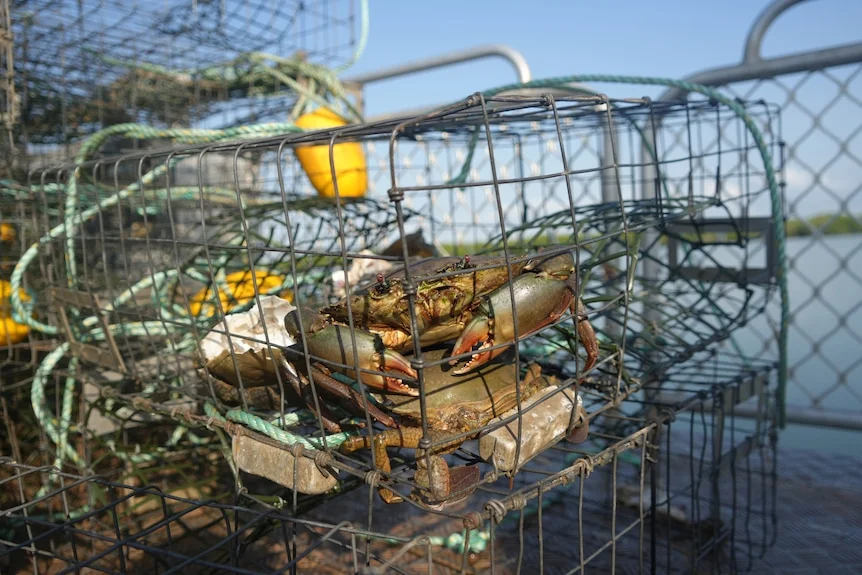
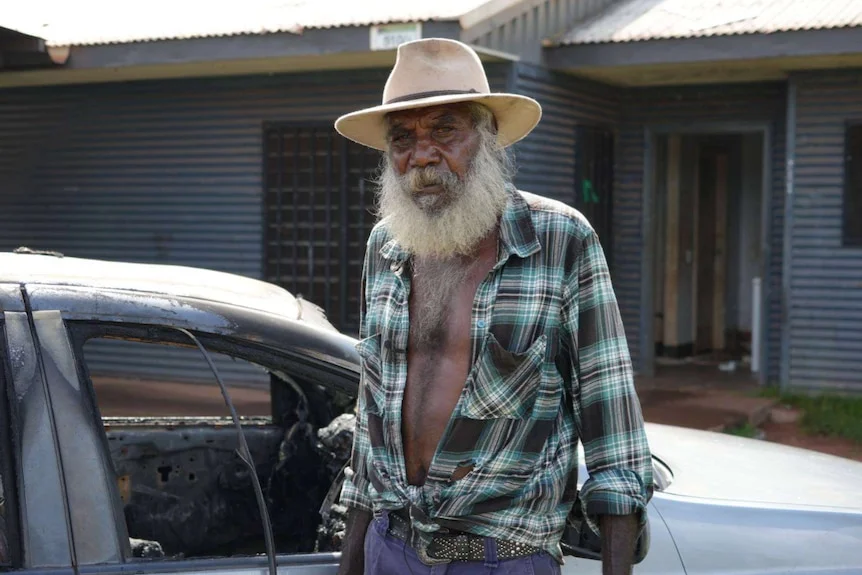
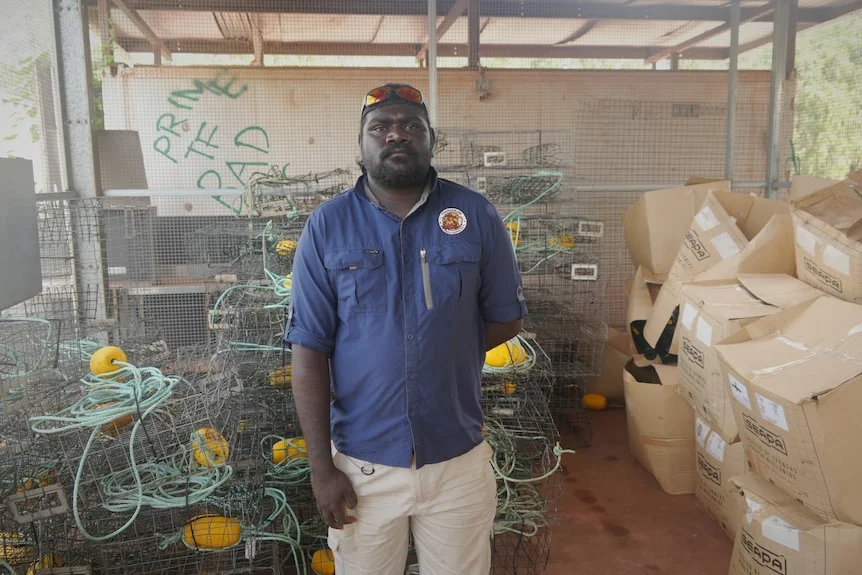
For Theo Dooling, the work draws on childhood memories of collecting crabs with family from mud holes. “You can put in a stick and just take the crab out,” he says. The risks have changed: crocodiles have crushed five of his crab pots while trying to get at the crabs. Still, nearly every pot hauled up contains one, with the biggest weighing two kilograms.
A remote community
The promise of a commercial fishery matters in Wadeye, a community on the west coast of Australia’s Top End where about 2,500 people live. Traditional culture remains strong: music and dance are part of community life, and adults and children speak Murrinh-patha fluently.

Access is another matter. The rugged Port Keats Road washes out, leaving the community cut off for half the year. Wadeye has also been one of the NT’s most troubled communities in recent years. That makes the emerging crab business more than a story about seafood: a viable local industry could offer a new source of work and income, though the catch alone can’t show how far that opportunity will reach.
Wadeye’s crab venture matters because it offers something the community has little of: paid work built on local knowledge. The town has made headlines for large street fights involving weapons including spears and crossbows. In standard three-bedroom homes, as many as 20 people may live together, while black-market liquor is available at punishing prices.
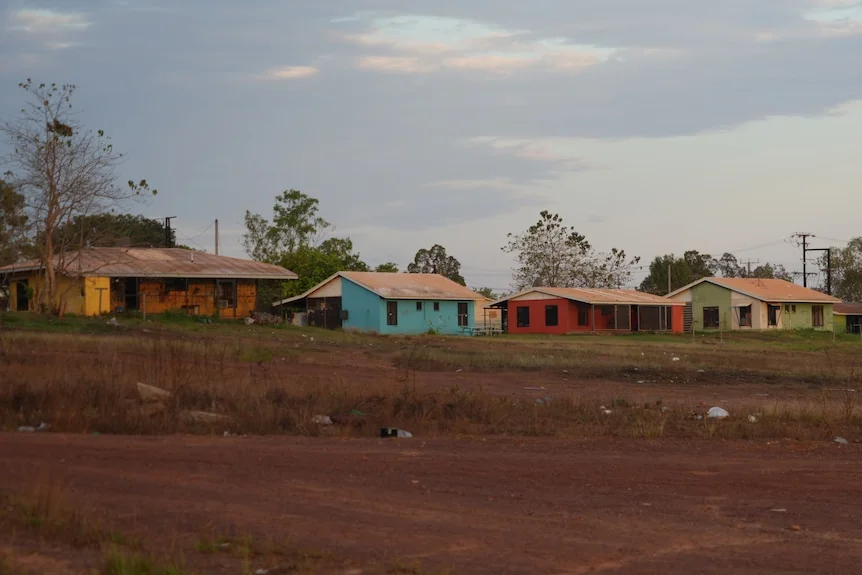
Residents point to a more persistent pressure: a shortage of jobs. At the 2021 census, only about one in five adults in Wadeye had work.
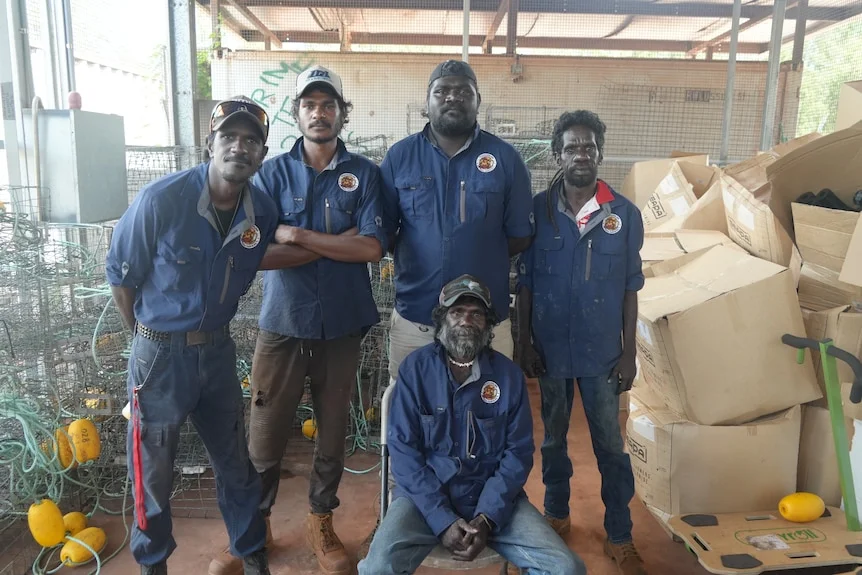
The Thamarrurr Sea Farmers are trying to build an answer from the coast. Using Aboriginal coastal licences, the group has grown into a commercial fishing operation that has increased its crew from three people to nine in a year. Its commercial licence allows up to 60 crab pots in the water, and the team ships an average of 35 to 50 kilograms of mud crabs to Darwin each week.

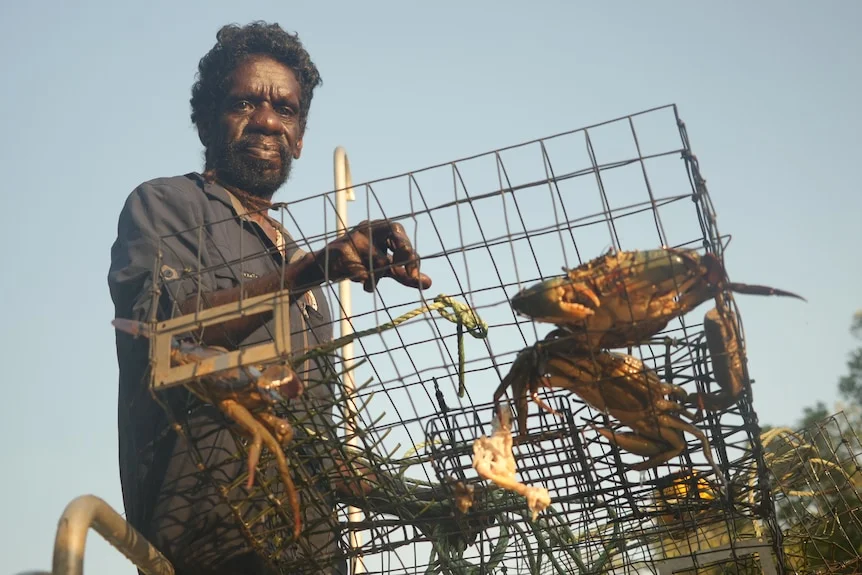
Johnson Katuura, the operation’s coordinator, says the new workers bring years of fishing experience. “The people we brought on to the team, they are really very good,” he says. “They’re people who have fished all their lives.”
For Joel Martin, one of the youngest crew members, the work has also become a way to talk with students about what comes after school. “We go out to school sometimes, talk to the students, let them know that they’re going to have to graduate, then they can find a good job,” he says. He wants more young men to join the team and have “a good life, good job.”
Sustainability comes first
The Aboriginal Sea Company, the Northern Territory’s largest crab licence holder, describes Wadeye’s venture as the Territory’s only community-run commercial fishing operation. Humpty Doo Barramundi, one of Australia’s biggest aquaculture businesses, is providing mentoring and training.
The business began just as authorities paused commercial crab licences elsewhere in the Territory over concerns about declining stocks. That timing threatened to stall the Wadeye operation before it had properly started. After discussions with authorities, its licences were temporarily changed back to Aboriginal coastal licences, then restored to commercial status when the pause ended.
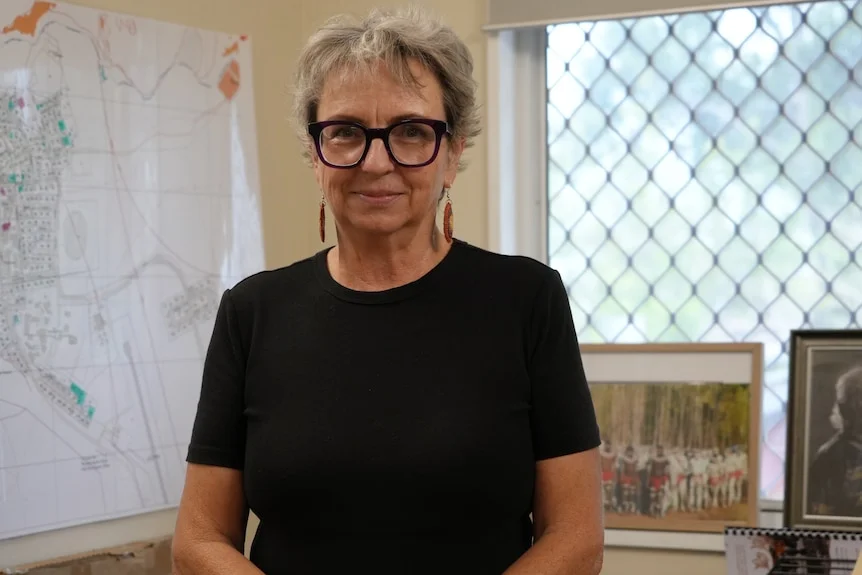
Tracey Leo, deputy chief executive of the Thamarrurr Development Corporation, supports the crew’s approach. They record where they fish and how many crabs they take, she says, to avoid over-harvesting any one area. “We fully support sustainable harvest strategies.”
The corporation is also pressing for a review of the Territory’s fishery management zones. Its argument is that rules suited to more heavily fished waters may not fit the relatively unfished areas around Wadeye. The data in this fragment doesn’t establish how much the local crab population can sustain, which makes the crew’s catch records and the eventual review more than administrative details.
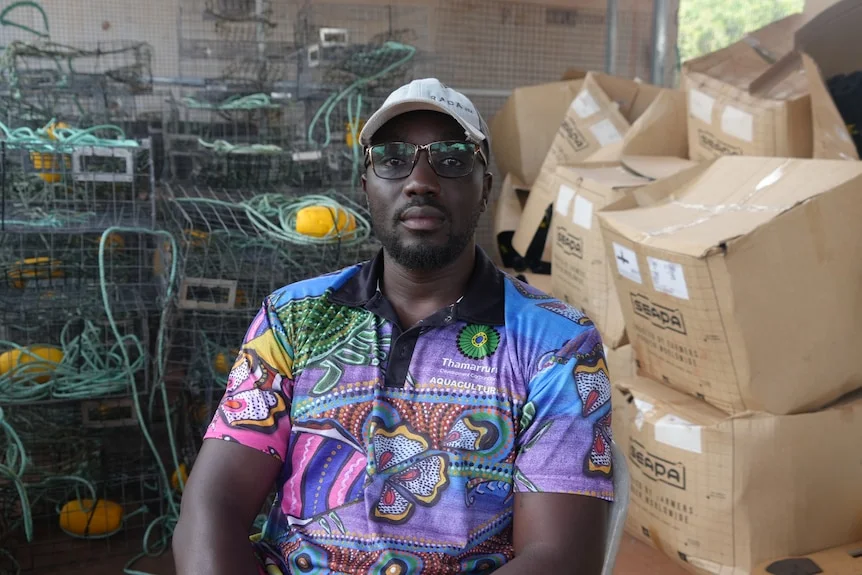
Katuura says the priority is building a durable business, not expanding as fast as possible. “We want it to be long-living.” The crew is “focused on making a stronger foundation [rather] than rushing to numbers,” he says. That restraint may be what gives the project a chance to endure.
Building an industry one step at a time
Wadeye’s seafood venture could eventually support around 100 local jobs across mud crabbing, black-lip oysters and other fisheries. That would make a real difference in a town where only about 300 adults are employed. But the oysters haven’t reached commercial production, and the job estimate is a long-term ambition, not an immediate result.
That gap between investment and employment is easy to miss. Ms Leo, who previously worked with Humpty Doo Barramundi, helped set up a two-way training relationship between the businesses. She says the Sea Farmers first needed costly infrastructure: a large shed, boats, crab pots and oyster cages. Those investments won’t turn into 100 jobs overnight.
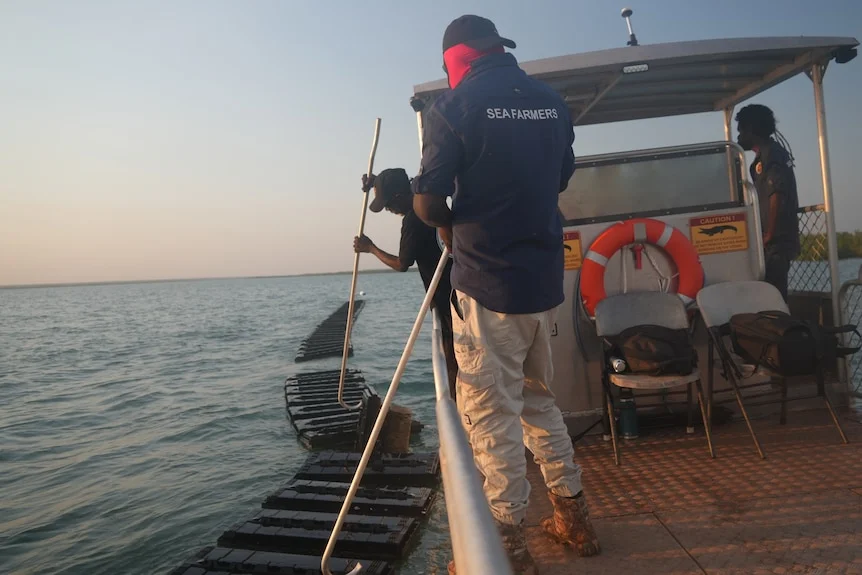
Humpty Doo took 14 or 15 years to become profitable and has now operated for around 30 years, Ms Leo says. Her point is that governments need to judge the project on a longer timeline. A locally run seafood industry may take years to mature, even if the economic case is promising.
The kind of work matters as much as the number of jobs. Many existing roles in Wadeye are in services such as the supermarket or family centre. Ms Leo says client-facing work can sit uneasily with local kinship relationships, which may make it difficult for someone to serve a person they’re related to. “Working on Country is what everyone wants to do.”
Mr Katuura says the industry has to grow carefully. The Sea Farmers stay in regular contact with Humpty Doo’s operators, whose advice is simple: “They train us. They inspire us. And what they tell us is ‘take baby steps’.” That approach may look slow, but it reflects how long it can take to build a viable operation.
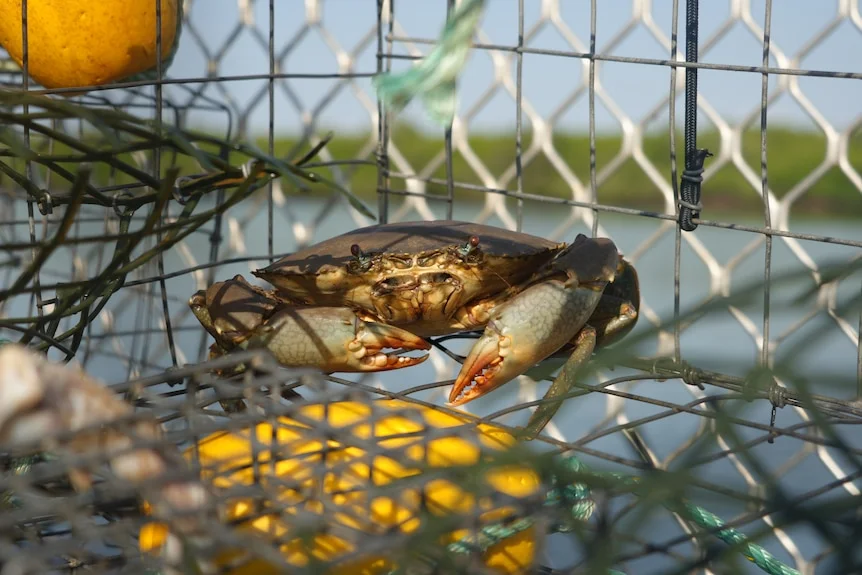
For Mr Dooling, the work already has value beyond a future jobs tally. Handling crabs on his traditional Country gives him peace and purpose, and he wants customers to know where their seafood comes from and that it was caught with pride. “It makes me feel happy when I go out where my sea Country is,” he says. “I’m not an inlander. I’m a seaman.”
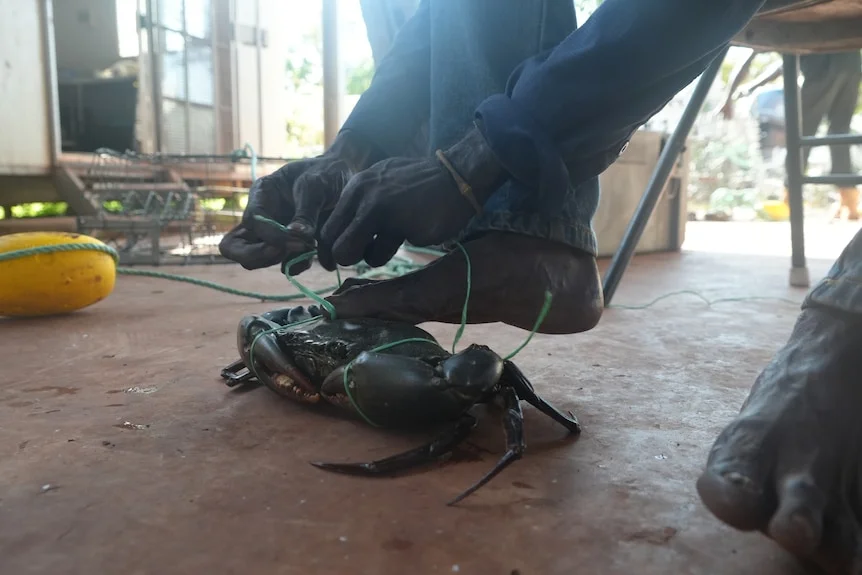
The ambition is substantial; the evidence will arrive gradually. If Wadeye’s seafood businesses can grow at a pace that fits local priorities and commercial realities, the result could be both a source of income and a way to work on Country.
Watch 7.30, Mondays to Thursdays at 7:30pm on ABC iview and ABC TV.
Discussion
Sign in to join the discussion.