ACT politicians say threats, online abuse and public harassment are making the risks of elected office harder to ignore.
ACT politicians describe threats and abuse after attack on Helen Haines
The attack on federal independent MP Helen Haines has put a sharper focus on a danger elected representatives already face: threats and abuse that can reach their homes, families and daily encounters with the public. ACT politicians say they’ll keep meeting constituents, but the cost of staying visible is becoming harder to ignore.
The incident involving Haines happened outside her Victorian electorate office on Monday. She was run down and had both legs amputated. Police have not established what allegedly motivated 43-year-old Brendan Nugent.
That uncertainty leaves a difficult question hanging over the attack. Its effects are already being felt well beyond Haines’s electorate, as politicians across Australia weigh the risks attached to public service.
Threats reaching home
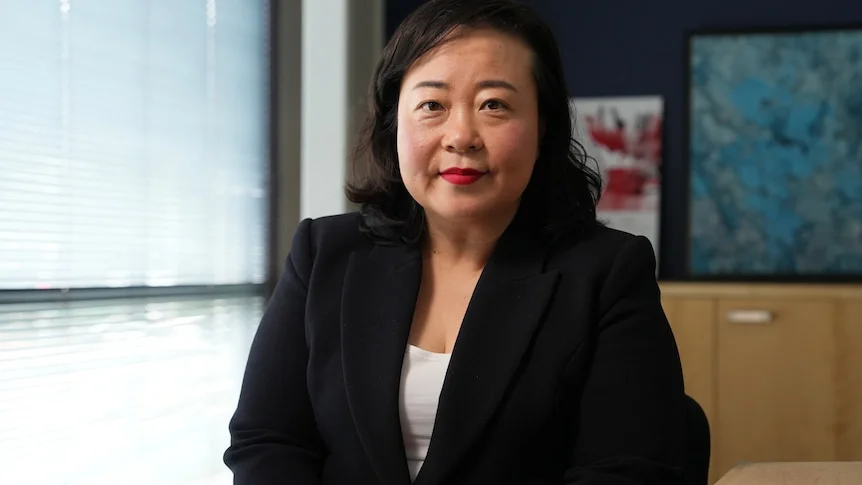
Canberra Liberals MLA and former ACT opposition leader Elizabeth Lee says she has gone to police twice over what she described as serious threats. One was delivered to her house and named both her daughter and partner.
“I had a death threat that named my daughter and my partner, and it was actually dropped at my front gate, so it came to my house,” Lee said.
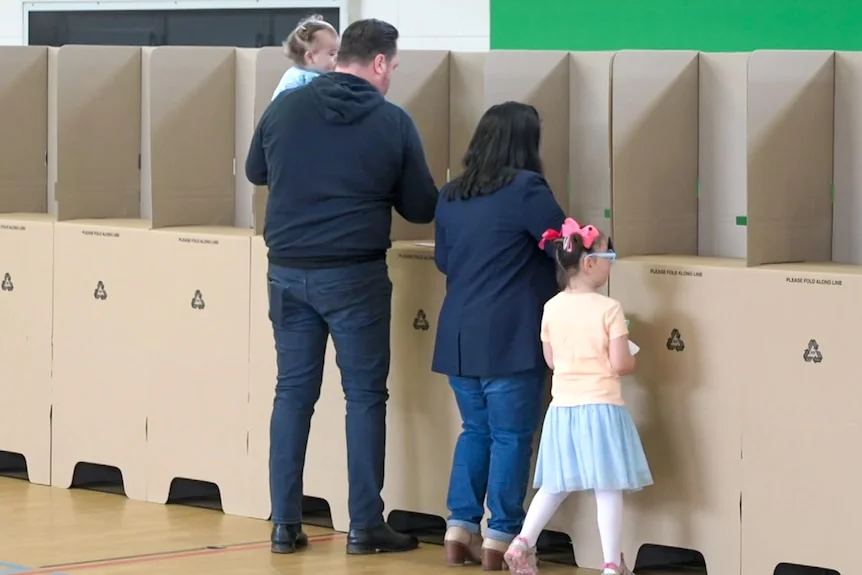
“That was a pretty scary moment,” she said, describing the conflict between pursuing issues important to her community and protecting her family. Lee has also faced a decade of sexist and racist online abuse, including remarks about her weight, body shape and clothes.
As a mother of two daughters, she tries to decide when to ignore such comments and when to challenge them. Sometimes, she said, speaking up can show her children that the behaviour isn’t acceptable.
Abuse in public and online
ACT Health Minister Marisa Paterson says most encounters with Canberrans are positive. She puts “97 per cent” of interactions in the “amazing” category. The remaining ones can be hard to dismiss: she has been yelled at, spat at outside local shops and threatened face to face.
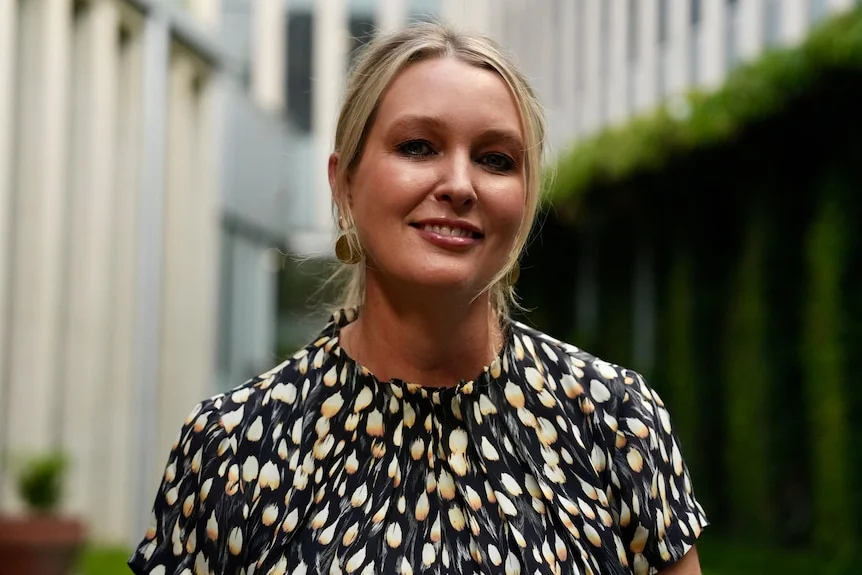
Paterson calls the abuse a disturbing part of the job and says it leaves her feeling vulnerable. She says every example she can recall involved men, though she doesn’t know why they feel entitled to speak to her that way.
Online abuse, she says, has risen sharply over the past 18 months, with misogynistic, violent and hateful comments. “The online world is a very unhappy place at the moment,” she said. It’s a bleak assessment from someone who still has to use those platforms and meet the public as part of her work.
Gender and identity as targets
Greens MLA Laura Nuttall says social media abuse often has little to do with the subject of a post. Instead, it targets her appearance, political views, gender and sexuality. She has faced queerphobic abuse and says being a woman in politics is tough, particularly now.
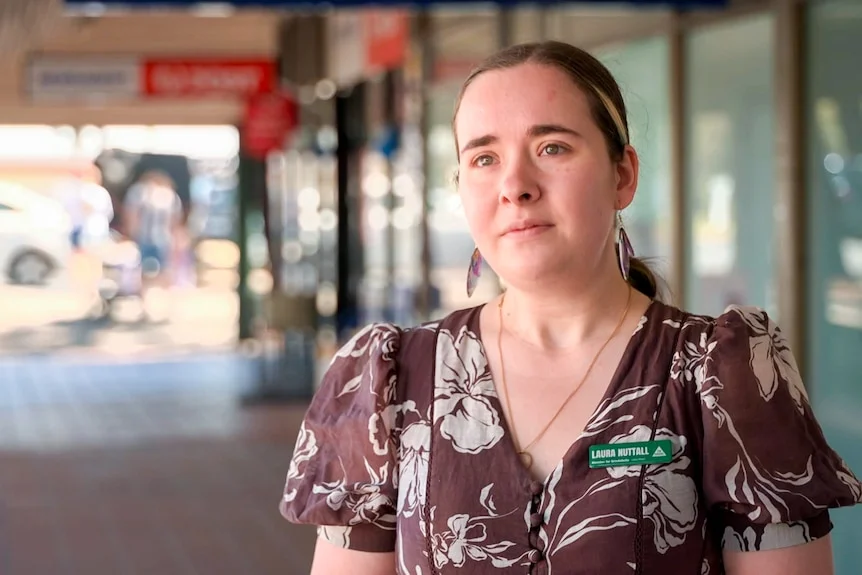
Nuttall says the attack on Haines frightened her. Abuse has at times affected her confidence and left her briefly questioning how people can be so cruel without remorse.
Independent MLA Thomas Emerson says women colleagues face more abuse than he and other men do, especially online. He draws a clear line between forceful political disagreement—which he sees as necessary to democracy—and personal attacks unrelated to the issue under debate.
That distinction matters. If elected representatives are expected to remain accessible, abuse that drives them away from public contact carries consequences beyond the people targeted. Emerson’s blunt summary of the online incentive is that “rage gets clicks”.
Public leaders set the tone
Thomas Emerson says women colleagues face “very different experiences as politicians” from his own. He argues political leaders can help change that by showing how to disagree without attacking the people on the other side. When insults become routine, he said, leaders tell the public that this is acceptable conduct.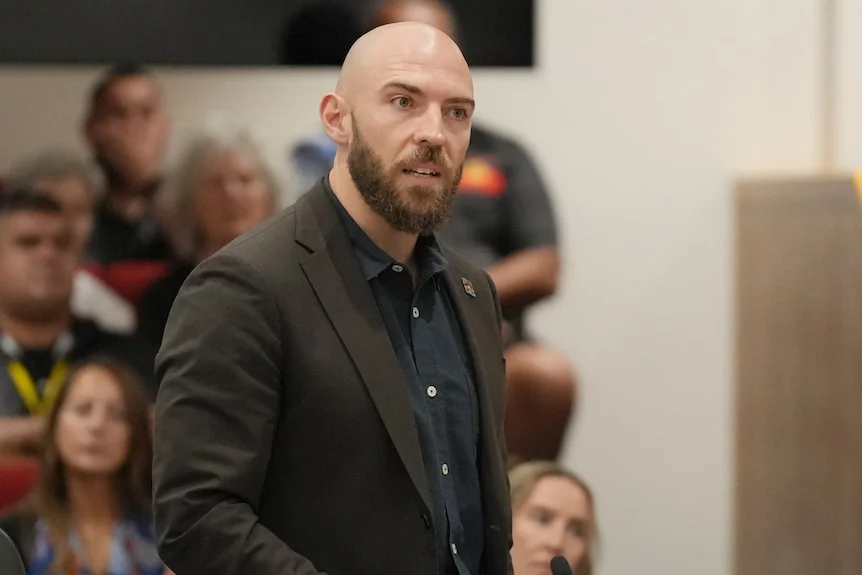
Staying accessible
That responsibility sits alongside another democratic obligation: remaining available to constituents. As politicians around the country review their security, the ACT MLAs in this account say they intend to keep meeting people in public. Ms Paterson describes that contact as the part of the job she loves: getting out, talking with people and listening to their concerns. Laura Nuttall says she wants to continue meeting constituents at local shops.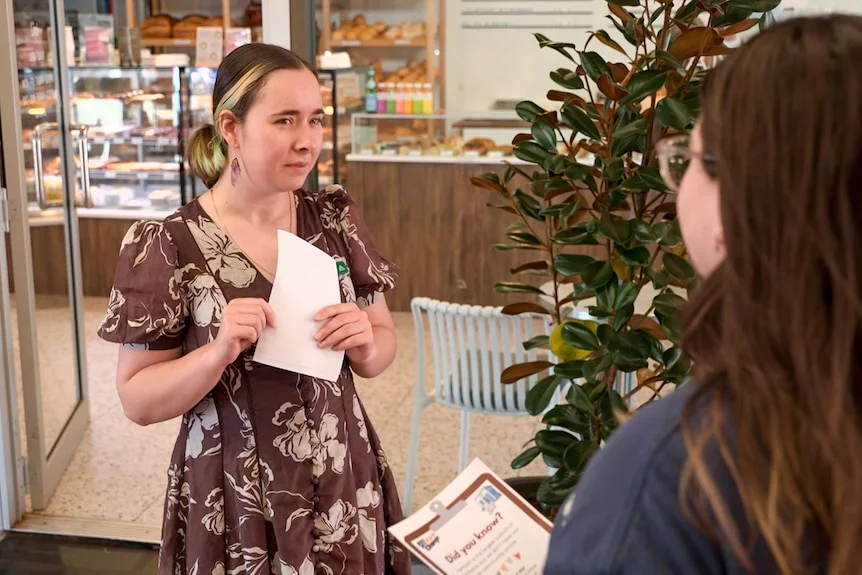
Discussion
Sign in to join the discussion.