TPG says 98% of scam calls reaching Vodafone customers came via Symbio. Aussie Broadband cites the challenge of tracing activity through wholesale phone number sales.
More than 24 million scam calls reached Vodafone customers through Symbio over a year, according to an analysis by Vodafone owner TPG Telecom. The finding puts the wholesale phone provider, which is owned by Aussie Broadband, at the centre of a dispute over how quickly carriers can identify and stop scams moving across their networks.
TPG examined scam calls on Vodafone’s network from July 2025 to July 2026. It says 98 per cent came via Symbio, a company that sells Australian phone numbers in bulk for internet-based calling. TPG executive Vanessa Hicks says the company passes evidence to Aussie Broadband for investigation and asks for faster action closer to where scam calls enter the network.
That attribution describes the route the calls took through the phone system; it does not, by itself, identify who made them. Aussie Broadband chief executive Brian Maher says Symbio’s customers can resell numbers through further layers of users, making it difficult to establish who is behind a particular call. He says the company disconnects persistent bad actors when it finds them.
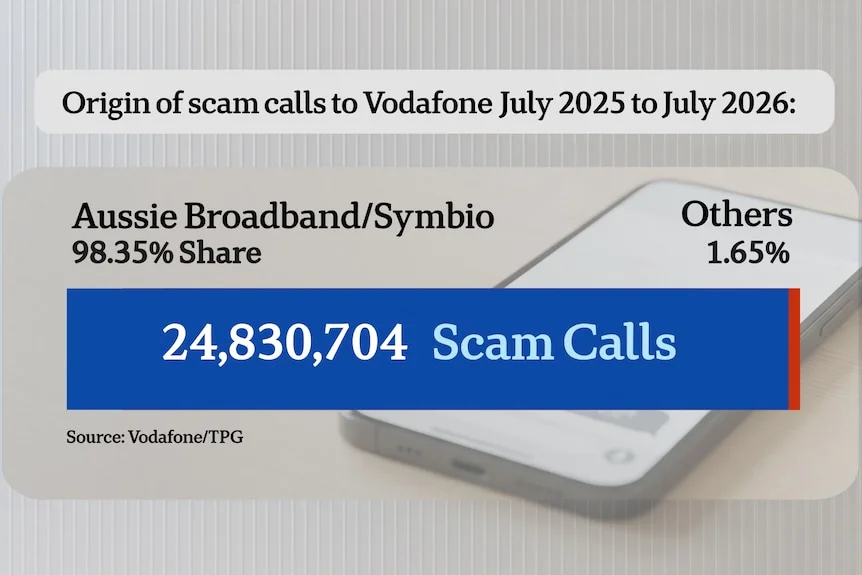
Vodafone collected data on scam calls on its network and found the vast majority originated with Symbio. (ABC News)
Wholesale numbers complicate tracing
Symbio has about 500 customers that resell its phone numbers, Maher says. Those businesses may then distribute numbers to thousands of other users. The scale and distance between Symbio and the person placing a call can make it hard to identify a scammer quickly, particularly when numbers are used for internet calls and replaced after being flagged.
Maher says Symbio uses detection software and a team of more than 20 people to reduce scam traffic. He says Aussie Broadband plans to invest further in the work, though he did not specify how many additional staff it might hire. He also acknowledged TPG’s public criticism, saying the company was frustrated and that Aussie Broadband wanted to work with it to address the problem.
Hicks says TPG cannot simply block another carrier from Vodafone’s network. The company may have only milliseconds to assess whether an incoming call is legitimate or fraudulent, she says. That timing leaves carriers making decisions with limited information, even as the consequences of a missed call can fall on the person who answers it.
Police impersonation shows the stakes
A scam reported by Perth resident Ian Odlum illustrates how convincing these calls can sound. Odlum said on Instagram that a caller claimed to be from the Australian Federal Police and sent an email purporting to verify the caller’s identity. The caller then said police had seized someone and a laptop containing Odlum’s personal information, and urged him to attend a police station in Narrogin, about 200 kilometres from Perth.
Odlum declined to make the trip, and the caller hung up. He said the person had sounded calm and kind, while stressing that the matter was important. The experience left him unsure what the caller ultimately wanted, but concerned by how real the story seemed.
TPG’s fraud team traced calls impersonating police in Western Australia, Queensland and South Australia, as well as the AFP, to traffic carried over Symbio’s network. Hicks says the company counted more than 2,400 calls linked to that campaign in a single week in September.
The Australian Communications and Media Authority said its checks on that specific scam found that traffic had been identified, information passed upstream and blocking carried out. It said the apparent sources were several overseas telecommunications providers and that it had not identified non-compliance by an Australian telco. Maher says Aussie Broadband has made progress in reducing scam volumes over the past month, while also calling for more information to be shared with the company.
Earlier warnings and a wider debate
Symbio has previously faced scrutiny over its handling of scam calls. In 2024, ACMA said the company had not properly investigated scam reports and had been slow to share information with other telcos. The regulator also warned Symbio in 2022 over failures to investigate and trace scam calls. Hicks says she is disappointed that the earlier findings did not result in financial penalties.
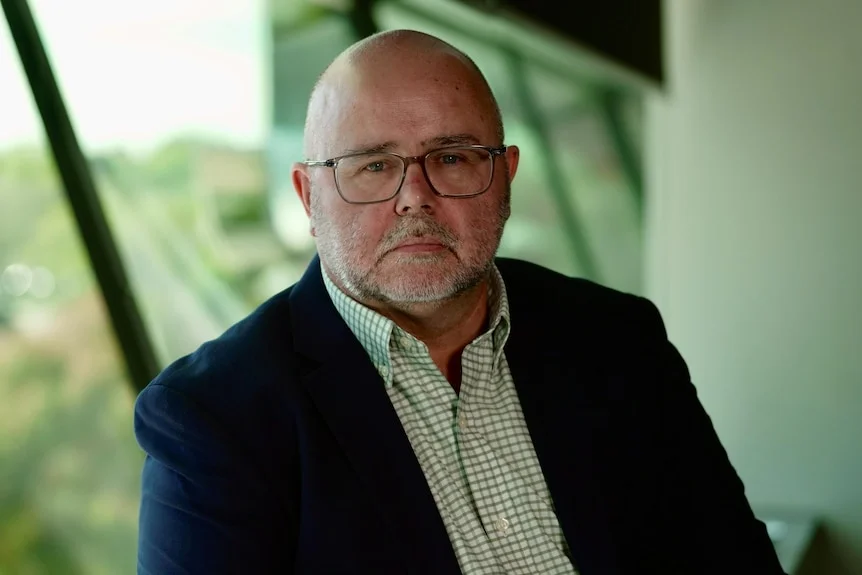
Aussie Broadband CEO Brian Maher says the company is working with its whoelsale customers to stop scammers. (ABC News: Patrick Stone)
TPG rejects the suggestion that its decision to name a competitor publicly stems from commercial rivalry. Hicks says the company is speaking out to protect its customers and other Australians. Maher, for his part, argues that Aussie Broadband’s position as the country’s largest wholesaler means a larger share of scam traffic may pass through its network.
Independent data offers another indication that Symbio’s role warrants attention. Cybercrime investigator Dan Halpin reviewed 8,000 phone numbers reported by members of the public to his scam-number platform. Symbio was the carrier most often linked to numbers flagged as suspicious, ahead of Telstra despite Telstra’s larger customer base. Halpin says bulk sales of internet-call numbers can appeal to scammers, who may acquire blocks of numbers and rotate through them when individual numbers draw complaints.
Optus and Telstra did not provide specific figures when asked whether they had seen high scam-call volumes traceable to Aussie Broadband. Optus said there was no single carrier that consistently accounted for most scam calls.
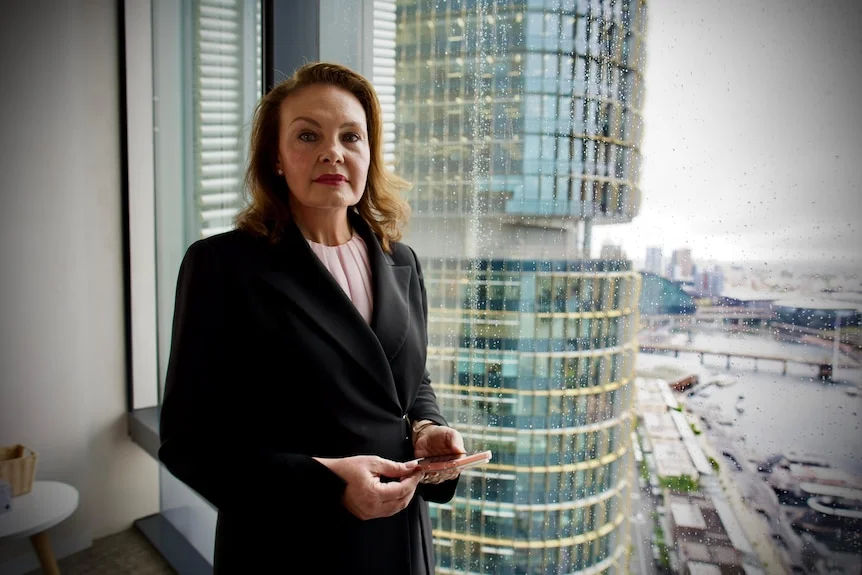
TPG's Vanessa Hicks says she was shocked to see the data on scam calls to Vodafone.
The coming year will test whether better information sharing can close the gaps between carriers and the resellers using their networks. Australia’s Scams Prevention Framework is due to be introduced next year, with expectations that telcos will face stronger requirements around scam prevention and customer knowledge. ACMA says carriers have already blocked more than 3.12 billion scam calls since December 2020 and 1.11 billion texts since July 2022 under the existing code.
Those totals show how much traffic the industry is already filtering, but the Vodafone figures point to a stubborn problem: calls can pass through several layers of wholesale customers before anyone can identify the person behind them. TPG and Aussie Broadband say they want to work together. The practical measure of that effort will be whether they can turn shared call data into faster identification and fewer scam attempts reaching phones.
Discussion
Sign in to join the discussion.