Threats Against Australian Politicians Raise Questions About Public Safety
Published
Oct 21, 2026
Desk
Technology
Views
610
Abuse and threats against Australian politicians are rising, including threats to their families, raising questions about safety and public access.
Australia’s political threat problem has moved beyond ugly messages online. Politicians describe stalking, threats of rape and death, and intimidation aimed at their children. The alleged attack on independent MP Helen Haines has sharpened a difficult question: how can parliamentarians stay safe while remaining accessible to the people they represent?
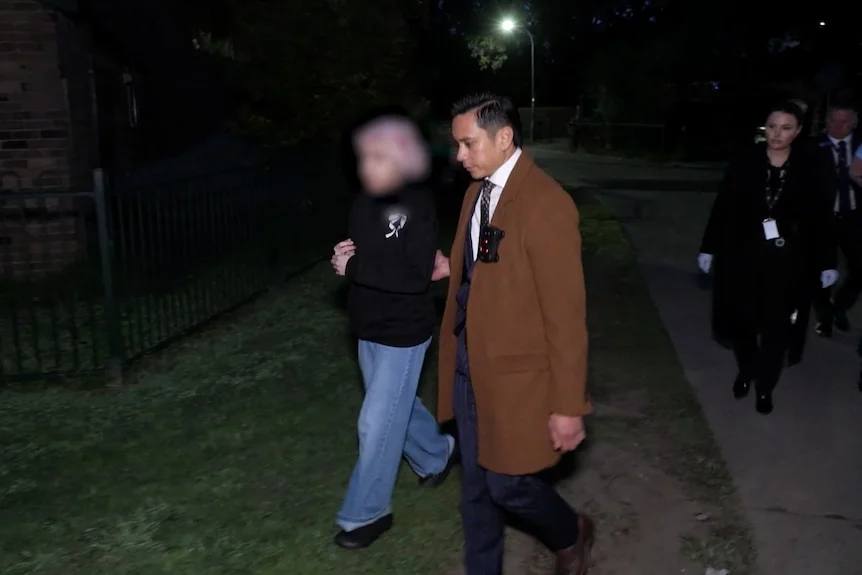
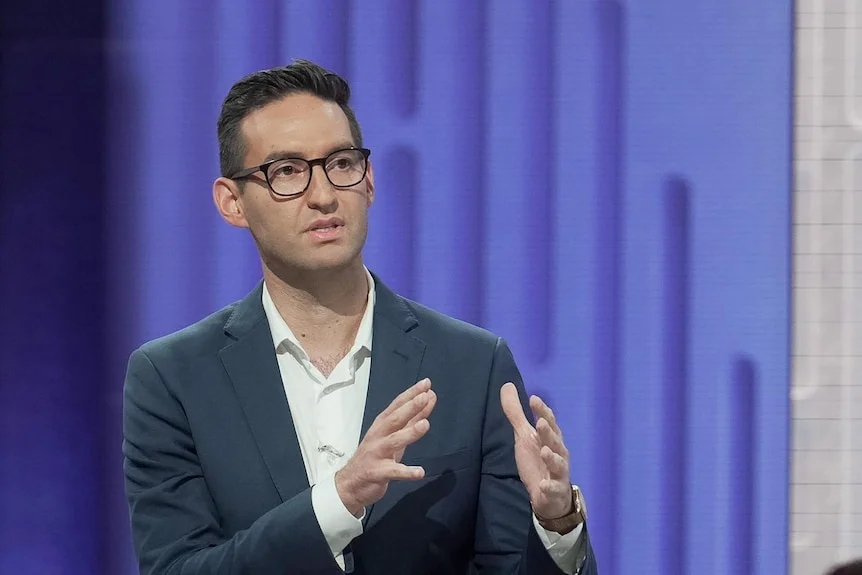
A Sydney woman accused of threatening multiple politicians was charged with 62 offences, including stalking and intimidation. Some alleged targets didn’t know they were on her list until they saw reports about the case. Labor MP Josh Burns, one of 15 high-profile people allegedly targeted, called the discovery “surreal”. Most of his encounters with the public, he said, have been “overwhelmingly really kind”. Both things can be true. That’s part of what makes the threat harder to judge from a politician’s daily experience.
Politicians across party lines say abuse and threats have become routine. Police have laid charges almost weekly, and the Australian Federal Police says reports of harassing, nuisance, offensive and threatening behaviour have quadrupled since 2020. The scale is clear; what the figures don’t tell us is how much this changes the day-to-day work of representing the public.
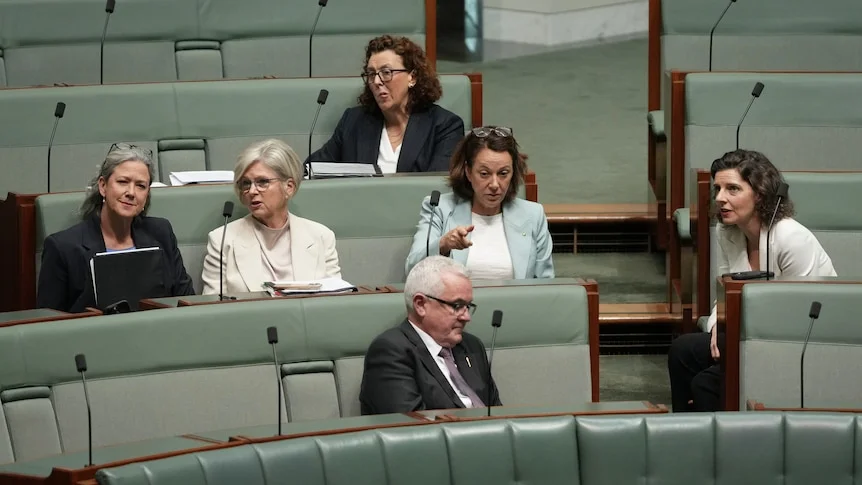
Politicians across the political divide have seen a rise in abuse and threats. (ABC News: Matt Roberts)
## Threats reach beyond the politicians themselves
One senior Labor MP told the ABC that the worst threat they received came with an “itemised list” of when and where the politician’s children had been seen in public. Social Services Minister Tanya Plibersek said someone slipped a note under her front door wishing that her children “die of painful cancers”. She said she couldn’t count the death and rape threats she’d received over the years.
Other politicians have described threats and attempted violence of their own. One Nation deputy leader Barnaby Joyce said a man once made a U-turn and tried to drive at him. Labor MP Jerome Laxale told The Guardian he had received a bomb threat.
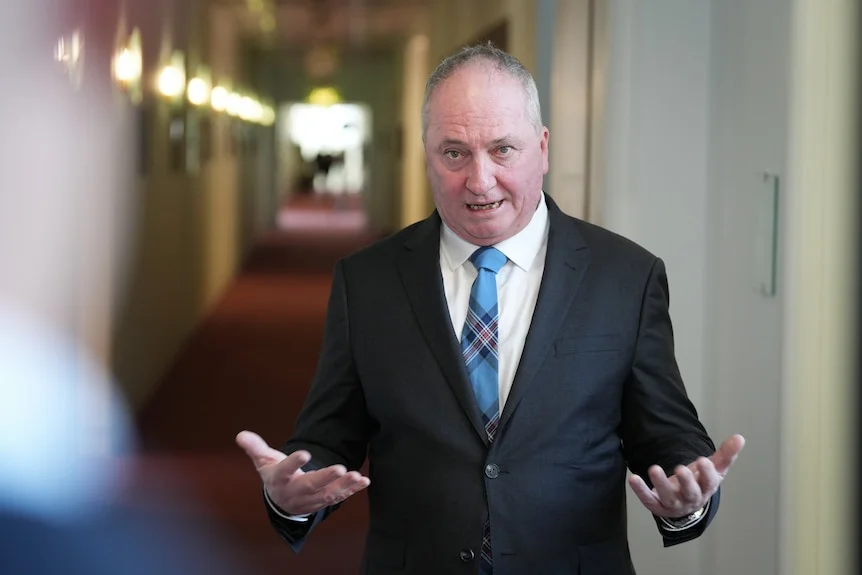
One Nation deputy leader Barnaby Joyce is one of the many MPs who has been threatened. (ABC News: Matt Roberts)
The alleged attack on Haines has brought these accounts into sharper focus. Its motive remains unknown. Treasurer Jim Chalmers called what happened “shocking, but unfortunately not surprising”, and said even a parliamentarian known for her calm temperament was vulnerable to “random acts of irrational violence”.
“Australia is not immune” to political violence seen elsewhere, Chalmers said. “Random acts of irrational violence are just as possible in the centre of Paris as the main drag of Wangaratta.” The point is unsettling precisely because it offers no clear pattern for politicians to anticipate.
## Safety advice leaves questions unanswered
The AFP held safety briefings for MPs on Wednesday. Police urged them to report threats, share their diaries so officers could track scheduled public events, and change familiar routines such as their routes to work. MPs were also advised not to advertise appearances in advance and to stay alert around electorate offices.
The AFP identified no specific or immediate threat. Some MPs welcomed the chance to raise their concerns, which police said they would take on board. Others told the ABC they left without answers about basic security for their homes and electorate offices. That gap matters: advice about vigilance is useful, but it doesn’t settle what level of protection MPs can expect.
The AFP charged 41 people with offences related to threats against parliamentarians in the past year. Recent cases show why the distinction between intent and impact can be difficult to dismiss. In August, a 47-year-old Perth man was accused of threatening One Nation leader Pauline Hanson, including in a Facebook post saying he would “hunt her down and kill her”. In March, a 19-year-old Western Australian man admitted threatening to kill Prime Minister Anthony Albanese and NSW Premier Chris Minns, but told the court he “didn’t mean for it to be a threat”. His lawyer said he had made an “error in judgement” after reading a lot of political material online.
A Queensland magistrate rejected a similar explanation in September, when sentencing a man who left voicemails threatening Albanese and Chalmers. “That’s not relevant to the threat … the people on the receiving end have got no idea what your intentions are,” Magistrate Pamela Dowse told him.
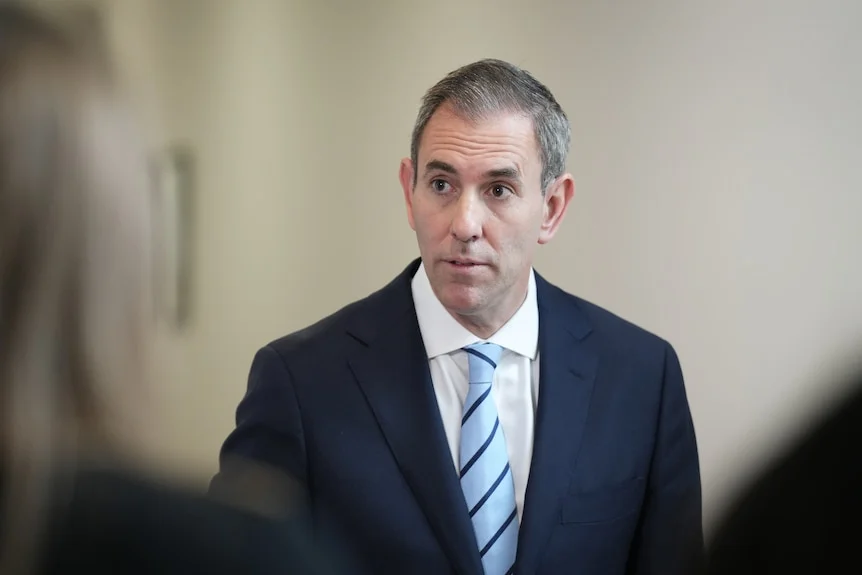
Treasurer Jim Chalmers said Australia is not immune to political violence. (ABC News: Matt Roberts)A woman was charged with 62 offences, including sending alleged death threats to politicians. (Supplied: NSW Police)
The woman accused of threatening Burns also allegedly targeted Senator Pauline Hanson, independent MP Allegra Spender, Labor MP Andrew Charlton and NSW Labor MP Jihad Dib over a five-year period.
The alleged threats, the rising volume of reports and the uncertainty around Haines’s case all point to a changed security reality for Australian politicians. The question now is whether practical protections can keep pace while MPs continue meeting the public they serve.
The clearest warning in these accounts is that threats can shrink who feels able to enter politics. Josh Burns described handling abusive comments as the worst part of being an MP and praised the Australian Federal Police’s response to serious threats. But he said the recent events point to a new reality, especially for women online: people should be able to seek public office safely, without deterring others who want to contribute.
Mr Burns reported the death threats to the AFP. (ABC News: Billy Cooper)
State politicians want stronger support
For Victorian Animal Justice Party MP Georgie Purcell, the gap between federal and state support is personal. She said she spent her first years in politics reporting abusive voicemails, emails, online comments and graffiti, with little apparent follow-up.
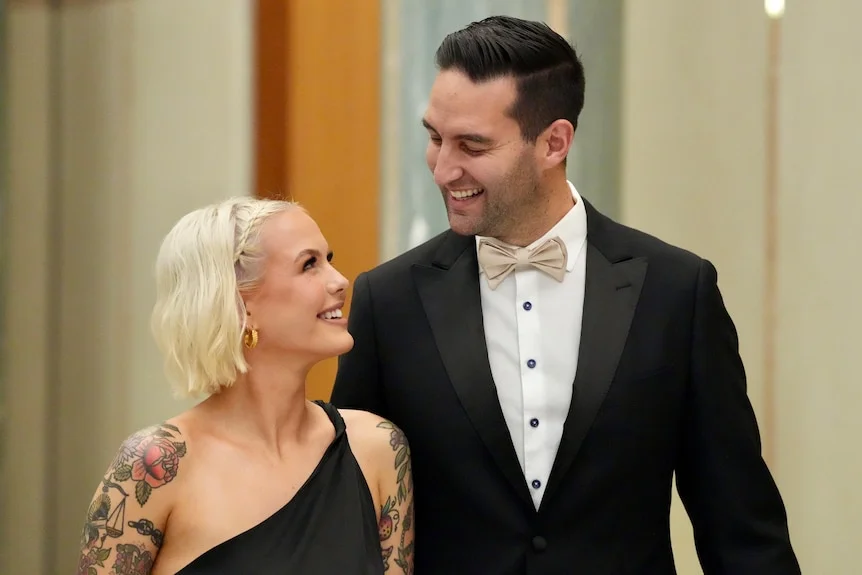
Burns is her partner, and Purcell said that has given her a close view of how the AFP handles threats. She wants a similar continuity model for state politicians. The need, she argued, is about more than repairing damage: antisemitic graffiti has repeatedly appeared on her office, and she was advised to wipe it away with methylated spirits because it did not qualify as property damage. “It was the views of the person participating in the behaviour” that concerned her.
Ms Purcell and Mr Burns earlier this year. (ABC News: Stuart Carnegie)
Victorian Premier Ben Carroll said on Wednesday that extra resources and arrangements would be put in place for the state election. That’s a response to immediate concerns; whether it will address the longer-running problem Purcell describes remains unclear.
Protect politicians without isolating them
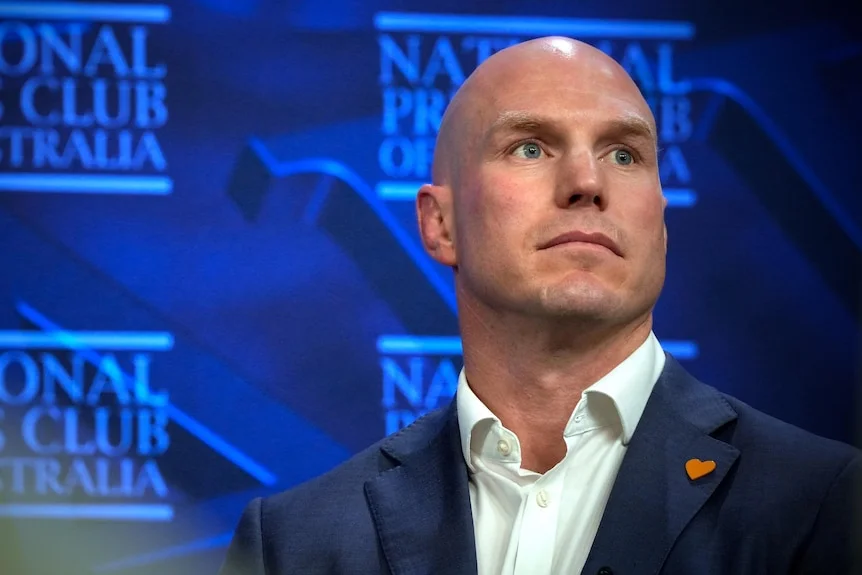
Security measures raise a harder question: how do you protect elected representatives while keeping them part of everyday community life? ACT Senator David Pocock raised that tension at the National Press Club on Tuesday. Australians value seeing their local politician at the café or doing the grocery shopping, he said, and protection shouldn’t erase that connection.
Mr Pocock said people are saying things online that they wouldn't in person. (ABC News: David Sciasci)
Pocock said people are posting things online they would never say face to face, and argued that society has to confront the tone of public discussion. Liberal frontbencher Andrew Hastie said the AFP had identified him for additional security after he was targeted online.
Hastie acknowledged that Westminster politics is adversarial. But he drew a boundary: political opponents shouldn’t be stripped of their character or standing in ways that could make violence seem justified. The challenge is to keep fierce debate from turning into personal demonisation, while ensuring public office remains safe and accessible.
Discussion
Sign in to join the discussion.