Queensland's looming credit rating downgrade amplifies financial pressures, igniting a political blame storm between state and federal leaders.
Queensland is on the verge of a credit rating downgrade, adding significant strain to the state's escalating multi-billion-dollar debt and rising interest payments. While reports indicate that a downgrade is imminent, tensions have escalated between the state government and federal authorities. The implications of this potential credit rating shift are significant, as it could impact various facets of governance, public service funding, and overall economic health within the region.
Potential Impact of Credit Downgrade
Shane Oliver, AMP's chief economist, pointed out that a hit to Queensland's AA+ credit rating would inflate the costs associated with its growing debt. "That means you'll have less money available for essential services, potentially leading to higher taxes or a widening budget deficit," he explained, underlining the negative impact on everyday Queenslanders. This situation presents an alarming trajectory for public finance in Queensland. With less funding available for essentials like education, healthcare, and transport, residents are likely to feel the strain directly in their daily lives.
The situation is compounded by economic pressures that many Queenslanders already face, like rising living costs and stagnating wages. Higher taxes and reduced public services could exacerbate these challenges, creating a vicious cycle that further undermines the state's economic stability. Essentially, the stakes are high, and as Queensland teeters on the edge of a downgrade, the reverberations could impact the financial well-being of its citizens for years to come.
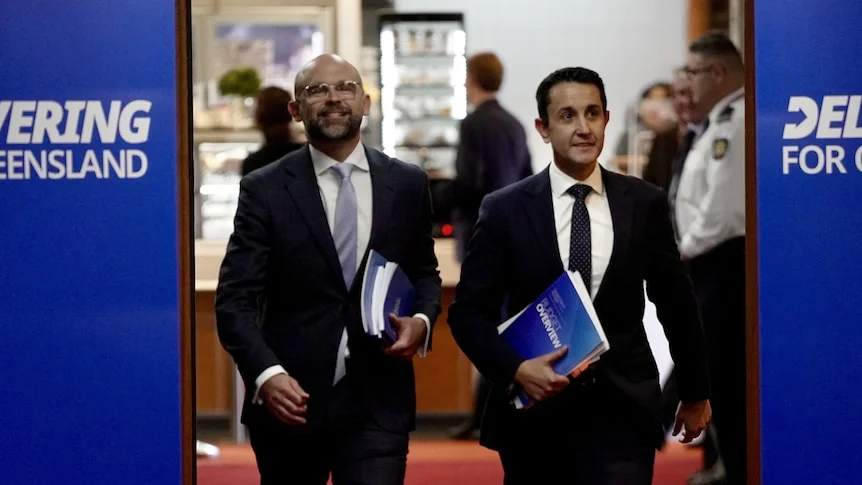
The ABC understands a downgrade is imminent. (ABC News: Michael Lloyd)
Political Tensions Emerge
In a recent address to federal parliament, Treasurer Jim Chalmers expressed concern about the potential downgrade, calling it "very troubling." He pointed out the significant financial support provided by the Commonwealth and criticized the state's deteriorating fiscal situation. The tension here is palpable. Chalmers' remarks signal a growing frustration at the federal level, suggesting that the consequences of Queensland's financial challenges may require intervention beyond mere advisory measures.
The blame game is in full swing. Queensland Treasurer David Janetzki, who flagged the risk of a downgrade since taking office two years ago, deflected accountability onto the previous Labor administration and recent federal budget actions. "The previous government’s fiscal mismanagement has left Queensland vulnerable to a credit rating downgrade, and now residents are also feeling the repercussions of federal budgeting choices," he asserted. This defensive posture highlights a deeper issue in political discourse — the lack of accountability within political frameworks, where both sides maneuver to dodge responsibility. What this means for you, the voter, is a potential lack of transparency about how these financial decisions directly affect you.
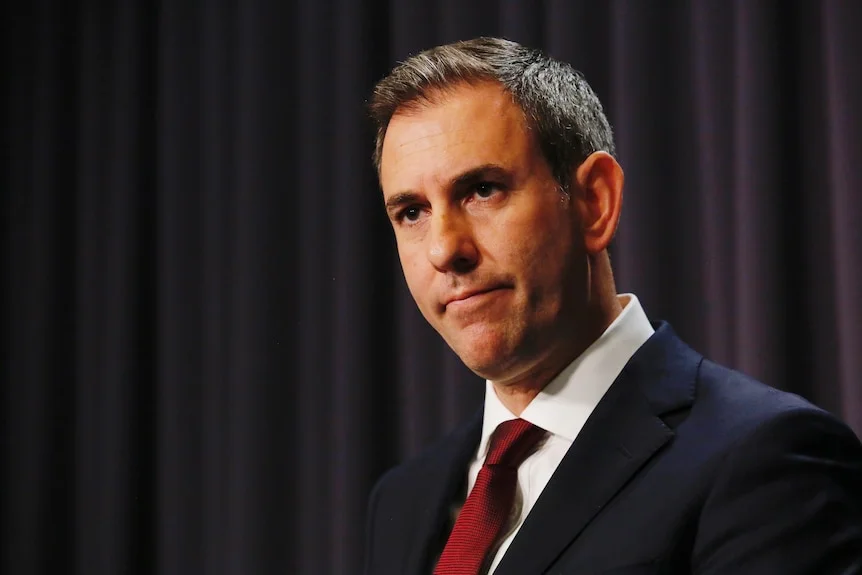
Federal Treasurer Jim Chalmers expressed concern over the potential downgrade. (ABC News: Nick Haggarty)
According to Oliver, the issues leading to the downgrade trace back to broader economic factors rather than solely local fiscal management. A reduction in stamp duty revenue due to declining property values is compounding the state's financial challenges. "Multiple factors including a slumping property market, rising bond yields, and insufficient fiscal discipline at the state level have contributed to the situation," he noted. The property market's instability is a symptom of broader economic malaise, and declining revenue represents an alarming trend that politicians find difficult to confront directly. It raises an important question: how can Queensland reverse this trajectory?
Forecasted Debt Growth
Queensland's total debt is projected to exceed $216 billion by the fiscal year 2029-30, reflecting a staggering 52% increase over the next four years. Janetzki, in his latest budget proposal, aimed to steer the state's finances back into a surplus by 2029-30, a goal that would likely come into question if credit agencies decide to downgrade the rating. The conversations around achieving financial stability appear increasingly optimistic, if not outright unrealistic, given the current trajectory.
Interest expenses are expected to balloon to $6.83 billion in the current financial year and could approach $11 billion by 2029-30. That’s far surpassing the total amount earmarked for infrastructure in conjunction with the 2032 Olympic and Paralympic Games, which is set at $7.1 billion. This disparity raises eyebrows. Governments often prioritize growth through infrastructure, but if debt obligations consume available funding, future spending on essential services could dwindle, affecting everything from healthcare to transportation.
Credit agencies like S&P have yet to comment on the anticipated decisions regarding ratings, leaving the future of Queensland’s finances hanging in the balance. Without clarity from these agencies, stakeholders can't make informed decisions, and uncertainty will likely become the new normal for Queensland.
Looking Ahead: Implications and Significance
As Queensland faces these financial challenges, the implications stretch far beyond mere numbers on a ledger. If you're working in this space, whether in governance, business, or public service, you'll want to pay attention. The potential credit downgrade may alter investment dynamics, as lower ratings often lead to higher borrowing costs and reduced investor confidence.
The real significance lies in how state leaders respond to this looming threat. Will they focus on enhancing fiscal discipline or continue pointing fingers? How they manage public perception will also matter. If trust erodes, the public might become less willing to support necessary fiscal reforms. The fallout could reverberate through many sectors, affecting not just finance but also the social fabric of Queensland itself.
As we look toward the future, the situation remains fluid. Tensions between state and federal authorities will likely escalate as both sides vie for the moral high ground. Queensland is at a crossroads, and the choices made today will shape its economic landscape for years to come.
Discussion
Sign in to join the discussion.