A devastating avalanche on Mount Mizhirgi in Russia has claimed 11 lives, with six climbers still unaccounted for amidst challenging recovery efforts.
Tragic Avalanche Incident
Tragedy unfolded in the Kabardino-Balkaria region of Russia when an avalanche claimed the lives of at least 11 climbers, leaving six others injured. This catastrophic event serves as a sobering reminder of the risks involved in mountaineering, particularly in areas known for their treacherous weather and geological conditions. Local emergency services confirmed that the incident occurred on Sunday at around 5 PM local time, engulfing a group of 33 climbers on Mount Mizhirgi, one of the tallest peaks in the North Caucasus.
Rescue Operations Underway
By 9 AM the following day, 10 climbers managed to descend the mountain safely, leaving the fate of the remaining six uncertain. Emergency services are actively engaged in a search and rescue operation, but their efforts face considerable challenges due to the harsh terrain and the persistent risk of further avalanches. This isn’t the first avalanche-related incident in this area; the North Caucasus has a history of such tragedies, which amplifies concerns about climbers' safety protocols and preparedness.
Over 50 emergency workers have been mobilized for recovery efforts, indicating the scale of this operation. Mount Mizhirgi, often characterized by its glacial flanks, presents a demanding environment necessitating advanced mountaineering skills for safe navigation. Climbing in such regions usually requires not only physical endurance but also a deep understanding of the mountain’s dynamics, environmental conditions, and potential hazards.
The Geography of Danger
This mountain is part of a broader range that features several peaks towering over 5,000 meters, with Mount Elbrus being the highest at 5,642 meters in the Greater Caucasus region. The complex geological landscape adds layers of difficulty to the already perilous conditions resulting from the avalanche. These mountains are known for unpredictable weather patterns and sudden temperature changes, both of which can trigger avalanches with little warning. Climbers often underestimate these factors, which can have dire consequences.
The North Caucasus is not just visually stunning; it poses challenges that require climbers to be well-prepared. Groups often include both seasoned climbers and less experienced individuals, sometimes creating a mismatch in skills and knowledge. That's a pattern that often leads to tragic outcomes, especially in areas notorious for their instability. Understanding the conditions that produce avalanches is fundamental for all climbers. Snowpack stability, weather forecasts, and previous avalanche activity are crucial data points that can’t be ignored.
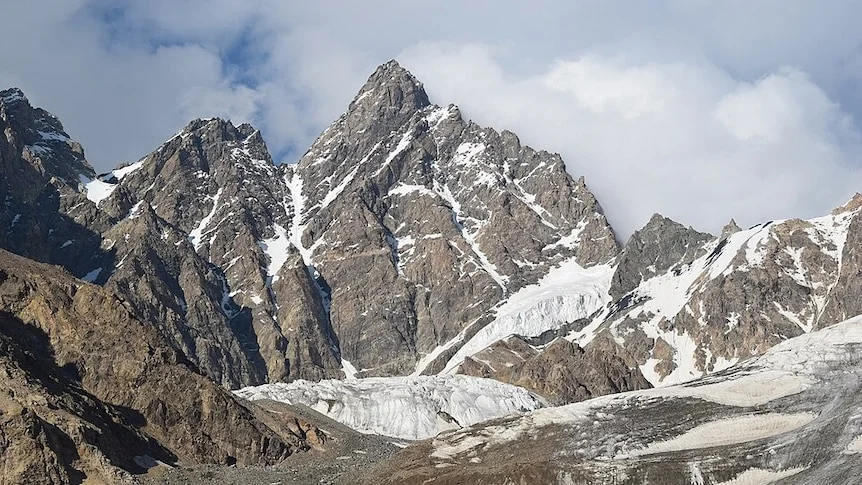
Rescue teams are on the ground searching for the six missing climbers after the tragic avalanche. (Supplied: Creative Commons)
Challenges of Mountain Safety Awareness
If you're working in this space, you know that incidents like this often bring up a critical conversation about mountain safety awareness. Many climbers enter such treacherous territories with limited training, which increases the risk for everyone. The outdoor adventure community has been pushing for better education and training about avalanche safety, which emphasizes understanding weather patterns and avalanche-prone environments. Without this knowledge, climbers expose themselves and their groups to unnecessary risks.
Moreover, there’s a growing emphasis on technological advances that could improve safety outcomes in high-risk environments. From avalanche beacons to app-based weather reports, there's a significant intersection between technology and mountain safety today. However, even the best technology can't replace the fundamental knowledge required to make informed decisions on the mountain.
Implications and Future Outlook
This avalanche tragedy highlights a critical gap in awareness and preparedness among climbers. Mountaineering is seemingly alluring, but it carries inherent risks. The loss of 11 lives and the ongoing search for the missing climbers illustrate the consequences of underestimating nature's power. Moving forward, there may be significant implications for how climbing organizations operate and how they educate climbers about risks.
Climbing permits and regulations could become stricter, especially in environments known for their instability. Organizations might push for mandatory training courses for all climbers, not just those tackling advanced routes. Public awareness campaigns could also emerge as key strategies to inform prospective climbers about the dangers they’ll face in remote and demanding terrains like those found in the North Caucasus.
You can't just show up and expect the mountain to be forgiving. The lessons learned from tragic incidents like these can foster more responsible climbing practices. With better education and a greater emphasis on safety, future climbers might stand a better chance against the volatile nature of high-altitude environments.
Discussion
Sign in to join the discussion.