The US intensifies sanctions on Iran, targeting key sectors while facing potential backlash in global markets and strained diplomatic relations.
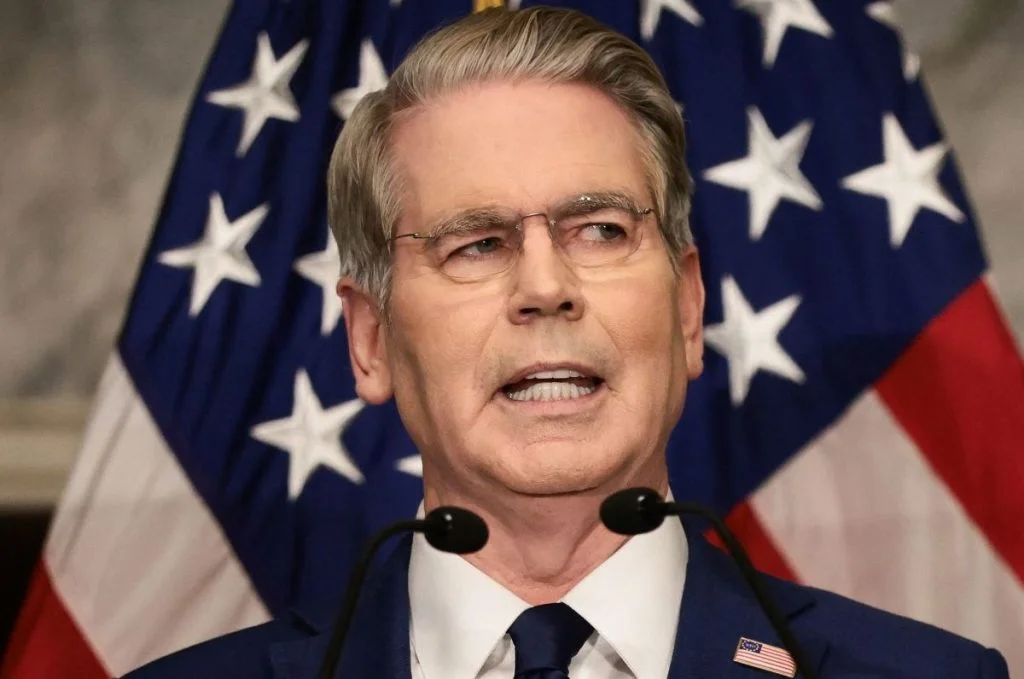
The recent escalation of US sanctions against Iran, outlined by Treasury Secretary Scott Bessent, signals a bold shift in economic strategy aimed at isolating Tehran. Dubbed "Operation Economic Outcast," this initiative threatens to disrupt global business ties with Iran and challenge the financial stability of nations that continue trading with it.
Understanding Operation Economic Outcast
This economic assault zeroes in on five critical industries: technology, aviation, gold, shipping, and digital assets. The goal is straightforward yet aggressive: to deprive Iran of vital hard currency sources. During a press conference, Bessent made it clear that companies and countries conducting business with Iran would face severe repercussions, emphasizing that “no one is above the reach of US sanctions.”
Warnings and Expectations
Bessent's statements reflect a zero-tolerance approach towards any engagement with Iran, declaring that the time for operating in “gray spaces” is over. He anticipates sanction announcements against significant financial institutions very soon, indicating a swift follow-up to this hardline stance. This approach has notably raised questions regarding the impact on major trading partners like China and Turkey, which have previously maintained substantial economic interactions with Iran.
When questioned about the timing of these sanctions, Bessent argued for a "remedy period," allowing entities to adjust their policies without immediate repercussions. However, he firmly stated that those who dismiss US expectations could soon find themselves excluded from the dollar system.
Iran's Response
The Iranian government has reacted skeptically to the US's threats. Kazem Gharibabadi, a Deputy Foreign Minister, ridiculed the concept of an "economic D-Day," suggesting that the US's aggressive tactics indicate its own weaknesses rather than successes. His comments draw attention to Iran's resilient military capabilities and the notion that extensive American pressure may not translate to the desired political concessions. Gharibabadi sarcastically questioned the effectiveness of sanctions, given that Iran's military prowess remains intact despite US efforts to dismantle it.
Global Consequences of US Actions
Beyond the immediate Iranian context, the broader implications of Bessent’s announcement could have far-reaching effects. In a world increasingly wary of US unilateralism, nations like China are likely to resist pressure to conform to American sanctions. Chinese Foreign Ministry spokesperson Lin Jian expressed concerns that sanctions tend to escalate tensions rather than promote stability, highlighting a growing divide in international relations.
This situation raises critical questions about how countries will navigate the competing pressures of engaging with Iran and adhering to US demands. With rising gasoline prices and inflation impacting American consumers, the domestic consequences of this economic warfare are becoming palpably felt. The tension in the Strait of Hormuz, a vital trade route for oil shipments, underscores the geopolitical stakes involved.
Criticism of the Current Strategy
Operation Economic Outcast has drawn substantial skepticism from analysts and commentators. Some argue that the strategy mirrors past failures, where extensive economic pressure has led to suffering among ordinary Iranians rather than capitulation from the ruling elite. Ryan Costello from the National Iranian American Council criticized the approach, noting that while the US seeks to impose economic pain, it is the Iranian populace that bears the brunt of these measures.
Experts like Sina Toossi suggest that this campaign serves dual purposes: to isolate Iran and create internal economic anxiety, but they warn that such tactics might not yield the desired political outcomes. The failure of military options is evident, leaving economic means as the primary tool, albeit one that is fraught with challenges.
Others, including former State Department official Alan Eyre, point out the irony that continued sanctions could further alienate the US in the global marketplace. The ongoing push for compliance from various nations, especially at a time when international relations are already tense, may backfire and create more friction than expected.
Looking Ahead
The situation presents a precarious balancing act for the US administration as it forges ahead with its economic strategy against Iran. Although the intention behind Operation Economic Outcast aims to whip Tehran into line, the complexities of global trade and diplomatic relations present a daunting challenge. It remains to be seen whether this strategy will result in significant behavioral changes from Iran or merely entrench the current geopolitical dynamics.
As the world watches closely, the ramifications of these escalating sanctions could redefine not just US-Iran relations but also the broader landscape of international finance and diplomacy.
Discussion
Sign in to join the discussion.