A federal ruling mandates the distribution of over $22 billion in climate grants aimed at supporting Black communities affected by environmental injustices.
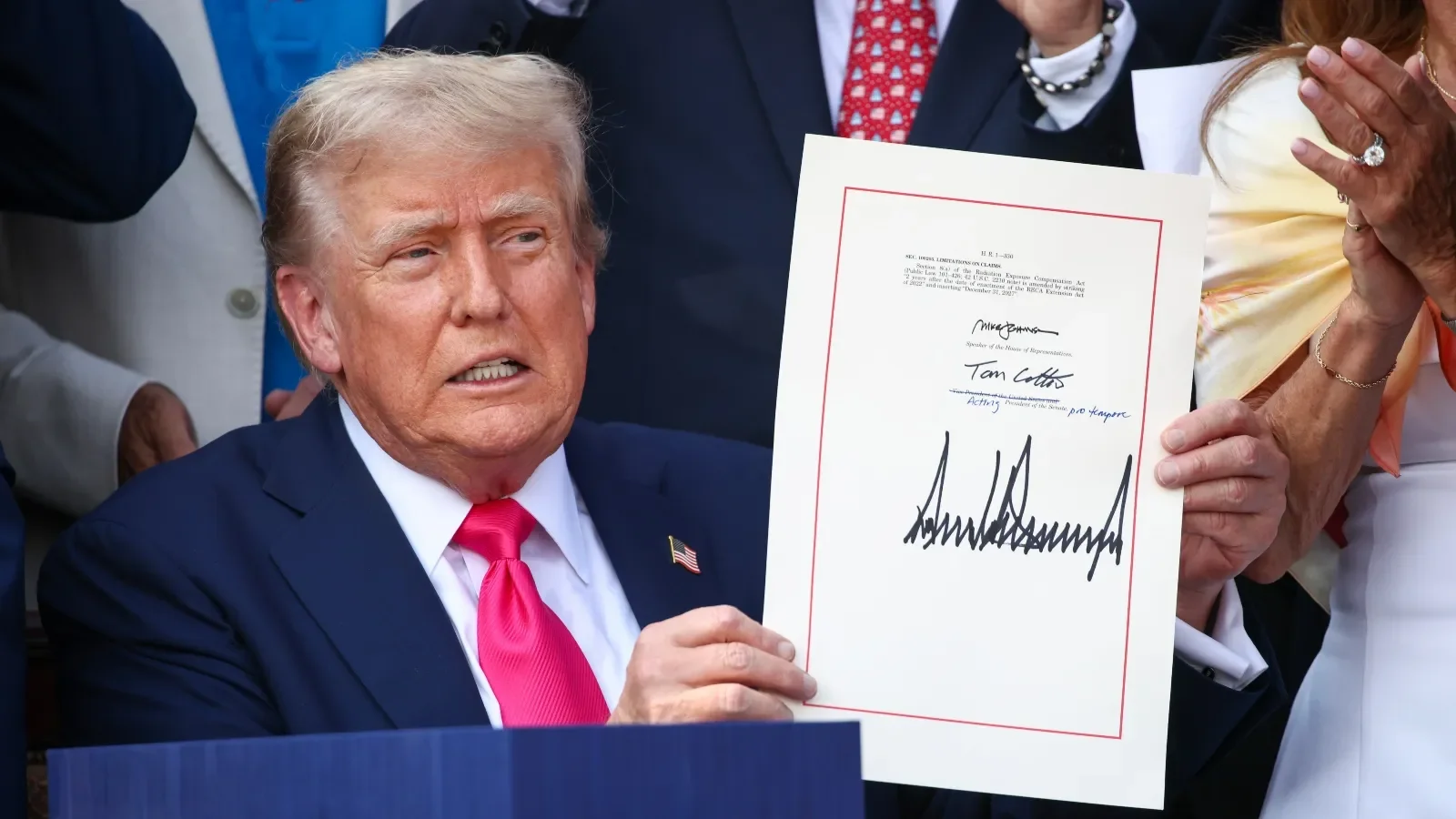
In a significant legal move, a South Carolina federal judge has ordered the Environmental Protection Agency (EPA) to resume the distribution of climate and environmental funds intended for marginalized communities, particularly those suffering under the weight of environmental and health challenges. This ruling comes in the wake of earlier actions by the Trump administration that halted a multibillion-dollar program aimed at addressing climate injustices, notably affecting Black communities like Jackson, Mississippi.
Jackson residents have long faced serious water issues, with many households receiving discolored, unsafe water. This situation highlights the urgent need for support to improve living conditions in the city. In 2023, hope emerged in the form of a federal grant targeting these pressing issues, but it was thwarted when the former administration terminated a crucial $2.8 billion program designed to assist underserved communities grappling with climate change impacts.
The Fallout of Abrupt Policy Changes
When Donald Trump took office, he not only dismantled critical climate funding but also rolled back environmental protections crucial for community health. More than a year later, federal courts stepped in, declaring the administration's attempt to revoke these climate investment programs, authorized under the Inflation Reduction Act, unjustified and unlawful.
The recent ruling ordering the EPA to distribute over $22 billion in grants marks a pivotal moment for communities long left behind in climate planning. More specifically, it sends a clear message to the federal administration about the need to uphold established laws and respect the separation of powers, as echoed by climate analyst Matt Sedlar from the Center for Economic and Policy Research.
Potential Uses for the Grants in Black Communities
The implications of these grants are substantial. A notable $20 million grant in 2023 was designated to create resilience hubs in Jackson, promising a lifeline for the most vulnerable populations. These hubs aim to provide a sustainable living environment during disasters, equipped with resources such as micro electric grids and independent water supplies, essential for ensuring public health and safety.
Parry, a community leader and founder of the nonprofit 2C Mississippi, has been at the forefront of advocating for these developments. She emphasized that the goal was to create a safe haven for individuals facing environmental hazards. Yet, since the abrupt policy changes under the Trump administration, billions that were set aside for such vital projects have remained stagnant.
For example, the combined efforts of environmental justice funds, expected to be reinstated, alongside the Greenhouse Gas Reduction Fund—a $27 billion national initiative—could greatly bolster clean energy access for underserved communities, facilitating initiatives like home energy upgrades, solar panel installations, and more. The foundational work began years ago to dismantle existing barriers to green financing; thus, the prospect of reviving these federal initiatives raises new hope for historically marginalized areas.
However, obstacles persist as the former administration has indicated intentions to appeal the recent ruling, citing challenges with funding and staffing at the EPA. Since 2024, staffing levels at the agency have plummeted, further complicating the execution of any upcoming projects.
Impact on Existing Programs and Projects
Yet, the damage has already been extensive. Some climate programs that initially received approval for funding in prior years have ceased to operate entirely. A notable example includes a solar installation initiative designed for previously incarcerated individuals in Houston, which has since shut down due to budget cuts and policy shifts.
Leon Dillard, a participant in that program, expressed how the initiative gave him purpose and a sense of community. He stressed the kinship needed along the path of change, emphasizing that support systems are critical for transforming lives.
Examples of Grant Initiatives and Community Needs
The reinstated climate justice funding could address numerous essential projects in disadvantaged areas:
- Over $14 million designated for wastewater system installations in Alabama’s Blackbelt, combating health crises from failing septic systems.
- A $500,000 micro electric grid project in Gentilly, New Orleans, supporting this flood-prone community.
- A $20 million allocation for disaster hubs in Lee County, Florida, including cooling centers and emergency resource distribution.
- Funding for workforce development and environmental education initiatives in polluted areas of Houston.
- Improving air quality and home conditions for over 500 families in East Alabama and West Georgia through weatherization and electrification projects.
The Greenhouse Gas Reduction Fund's projects also promise significant investment in clean energy advancements across various states, aimed at promoting accessibility and addressing inequities in energy access.
As the legal landscape evolves, it’s clear that both environmental justice and climate resilience are at the forefront of community needs. The renewed commitment to these crucial programs could generate transformative impacts for those who’ve been historically forsaken, yet ongoing advocacy and vigilance will remain essential to ensure these funds benefit the communities they are meant to serve.
This story was originally published by Grist with the headline Trump ordered to release billions in climate grants meant for Black communities on Aug 23, 2026.
Discussion
Sign in to join the discussion.