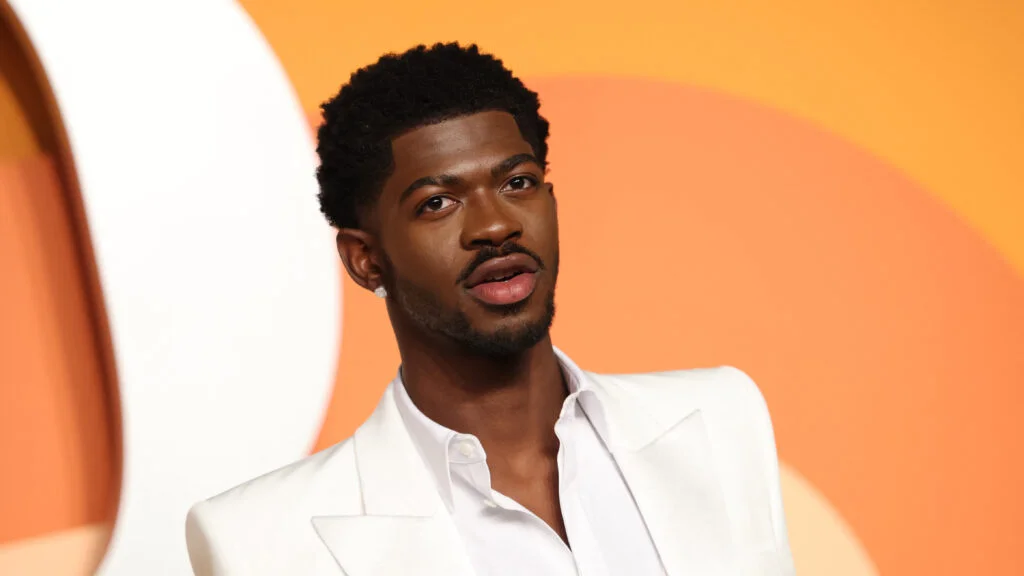
Lil Nas X's revelation about his bipolar disorder highlights the complex relationship between mental health stigma and personal success.
Understanding Bipolar Disorder
Bipolar disorder is more than just a mental health diagnosis; it's a complex condition that affects millions. Characterized by extreme mood swings, this disorder can lead to significant disruptions in an individual's life—including relationships, career pursuits, and overall well-being. Symptoms range from manic phases, where individuals may experience heightened energy and elation, to depressive episodes that can feel paralyzing. For those who receive a diagnosis, understanding their condition is a journey, layered with challenges and revelations. Lil Nas X’s candid admission sheds light on the often-hidden battles many face.
This isn't just a personal revelation; it’s part of a broader, societal conversation. A significant percentage of individuals diagnosed with bipolar disorder face stigmas, both self-imposed and socially dictated. Whether it's misinformation or fear of judgment, too many endure their struggles in silence. Lil Nas X displays a sharp awareness of this reality—recognizing that while his fame may afford him a platform, it doesn’t insulate him from the very human experience of grappling with mental illness.
Impact of Fame on Mental Health
The high-pressure world of fame often exacerbates mental health issues. Success comes with the weight of public scrutiny, and this can lead to a heightened sense of anxiety or depression—the very things many celebrities struggle with. For Lil Nas X, the pressures of maintaining a public persona must have affected his journey toward recognizing his mental health needs. It’s a phenomenon not uncommon amongst artists; many find that their greatest form of expression can simultaneously serve as a source of emotional distress.
Here’s the thing: artists like Lil Nas X often channel their pain into their work. This can be a double-edged sword. While it allows for creative breakthroughs, it often requires personal sacrifices. Many successful musicians, actors, and influencers are candid about the toll that chronic stress can take on their mental health. Eminent figures like Demi Lovato and Lady Gaga have openly discussed their struggles, highlighting that fame doesn’t equate to happiness.
The Paradox of Accepting Help
This hesitation underscores a paradox found where mental health intersects with identity and success. It's common to see talented individuals grappling with the belief that their personal struggles are intertwined with the achievements they’ve made. In Lil Nas X's case, this disconnect amplifies the challenge of seeking help. Many wrestle with the fear that acknowledging vulnerabilities might diminish their talent or creativity, as if their struggles are somehow integral to who they are.
There’s an intrinsic fear tied to seeking help that seems to exist across various demographics. For individuals in creative professions, the narrative often weaves together stories of suffering and artistic genius, creating an almost mythologized connection. But this shouldn’t be a barrier. If you’re working in this space, know that facing mental health challenges doesn’t diminish your abilities; in fact, addressing them can enhance both your professional and personal lives.
Societal Influences on Mental Health Awareness
The societal stigma surrounding mental health struggles is changing, albeit slowly. Celebrities like Lil Nas X play a pivotal role in altering perceptions. The more we hear about public figures sharing their challenges, the more we normalize the conversation around mental health. This visibility allows people to feel less alone in their struggles and encourages others to pursue necessary treatment. There’s progress, but it’s incremental. The public discourse is still laden with stereotypes and misinformation, often leaving many individuals wondering if they can or should reach out for help.
(And this is the part most people overlook.) While celebrity endorsements of mental health causes gain attention, practical societal change takes more than just awareness—it requires actionable support structures. Our healthcare systems need improvement, with access to mental health resources that meet diverse needs being paramount. Tackling financial barriers, ensuring privacy and confidentiality, and providing education on mental health in schools can help create a more accepting environment.
Future Outlook: Navigating Mental Health Discourse
The landscape of mental health awareness continues to shift, and celebrity admissions like Lil Nas X’s are both echoing and advancing this change. Understanding that mental health challenges cross all boundaries—age, socioeconomic status, profession—will be critical for future discourse. Conversations must evolve from acknowledgment to action, advocating for systemic changes in how mental health is approached in both personal and professional realms.
As Lil Nas X steps forward with his story, it exemplifies how personal struggle can lead to broader change. The implications extend beyond the individual; they resonate throughout communities and industries, urging others to reflect on their experiences. Arguably, the real impact could manifest in a new generation that feels empowered to speak openly about their mental health without shame, potentially transforming societal norms.
It’s about time we normalize these discussions. The path toward understanding and accepting mental health treatment is long, but stories like Lil Nas X’s remind us that no one has to walk that path alone.
Discussion
Sign in to join the discussion.