Discover top destinations for experiencing the Northern Lights and other unique attractions, ensuring a memorable trip regardless of weather.
When planning a trip to see the Northern Lights, many make the mistake of prioritizing the location of the aurora over the overall experience. The reality is, the aurora is not a guaranteed sight; it's a shimmering probability across latitudes that can’t be promised at any specific destination. Thus, this guide focuses on unique locations that offer more than just the lights.
Timing Matters: Solar Cycles and Best Viewing Seasons
The auroras operate on an eleven-year solar cycle, with a peak that occurred in October 2024. This timing is not as dire as it sounds; past cycles show that the decline phase often yields some of the most vivid geomagnetic storms. Activity is expected to remain high until around 2027. For those looking to catch a glimpse, late September and March are prime periods due to Earth's magnetic field orientation, which optimally channels solar winds. In general, the best season for aurora viewing spans from September to March, as darkness is as essential as solar activity.
Svalbard: For the Adventurous Spirit
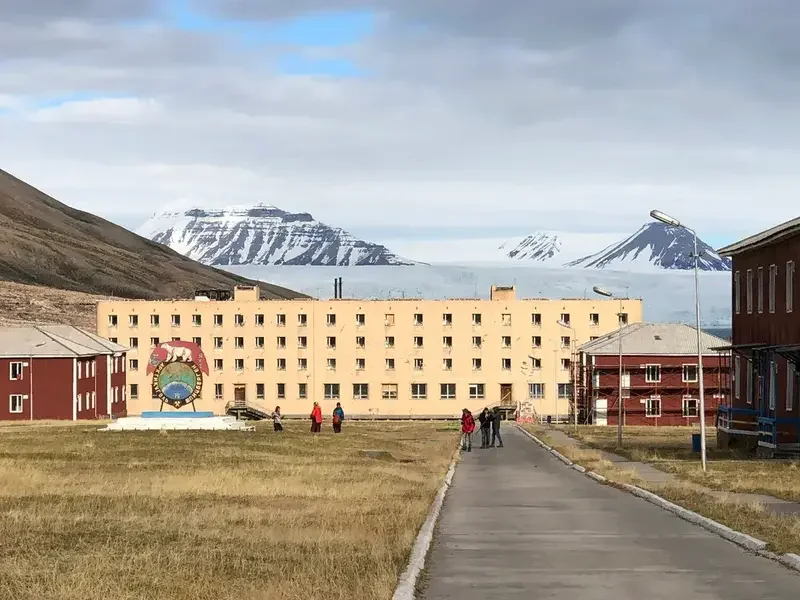
Svalbard, located roughly 650 miles from the North Pole, offers a rich tapestry of experiences that make the hunt for the aurora an added bonus rather than the main attraction. Here, visitors can explore the Svalbard Global Seed Vault, which acts as a preservation site for the world's crop diversity. This facility gained attention recently when seeds were withdrawn due to the Syrian civil war. The area is also home to Pyramiden, a ghost town from the Soviet era, featuring abandoned buildings that still tell stories of their past. Meanwhile, Longyearbyen offers a unique setting where burial is nearly impossible due to the permafrost, making every visit oddly intriguing.
Iceland: A Scenic Canvas
Iceland excels at featuring stunning landscapes that serve as the perfect backdrop for the auroras. Sites like Jökulsárlón, a glacial lagoon lined with icebergs, provide an enchanting foreground for photographers. The contrast between drifting ice and aurora light creates stunning visuals. Nearby, Diamond Beach displays icebergs glistening on black volcanic sand for a unique visual experience. For a less crowded alternative, consider Heinabergslón, which tends to be less frequented yet equally dramatic.
Arctic Norway: High Chances and Rich Experiences
Tromsø stands out as a premier destination for aurora seekers. Nestled under the auroral oval, it combines scientific advantages with a tourism industry dedicated to chasing the skies. Despite its popularity, visitors can also seek solitude in the Lofoten Islands, known for their jagged mountains and picturesque beauty. The balance of adventure and comfort makes Norway an excellent choice, provided you also take the time to explore its cultural offerings and outdoors.
Finnish Lapland: Comfort Meets Spectacle
For those who prefer to watch the lights in comfort, the Kakslauttanen Arctic Resort offers geodesic glass domes that provide unobstructed views of the sky from the warmth of your own space. Alternatively, the Arctic Guesthouse & Igloos in Ranua present mobile glass igloos that can be relocated to avoid light pollution, enhancing your chances of spotting the aurora. Finland distinguishes itself as a hub for amateur aurora research, as seen in the discovery of new types of auroras by citizen scientists in recent years.
Scotland: An Underrated Gem
Scotland often gets overlooked when considering possible aurora destinations, though southern Scotland has been known to experience the lights during significant solar storms. Galloway Forest Park, recognized for its low light pollution, regularly offers visitors a chance to see the auroras. However, potential visitors should be aware that the Scottish Dark Sky Observatory is currently undergoing reconstruction after a recent fire. It’s a good idea to keep an eye on changing conditions and facilities, as the surrounding park remains a worthy destination regardless of the observatory's status.
A Few Tips for a Successful Aurora Hunt
Book for a week or longer. A shorter stay leaves too much to chance; five nights dramatically increases your odds of spotting the lights.
Choose accessible locations. The ability to travel to various valleys can make a huge difference; cloud cover is often localized.
Familiarize yourself with the Kp index. Use reliable resources like NOAA’s Space Weather Prediction Center to gauge aurora activity instead of relying on simplistic apps.
Time your visit around the equinox. Even a slight adjustment can lead to a more favorable aurora viewing experience.
Finally, consider the entire experience. If cloud cover obscures the auroras, you want to be somewhere that offers other meaningful attractions and activities. This guide aims to remind travelers that enjoying the journey is just as important as the destination itself.
Discussion
Sign in to join the discussion.