Discover the World of Ancient Organisms: Nature's Enduring Time Capsules
Published
Aug 17, 2026
Desk
Technology
Views
503
Explore ancient life forms that thrive despite challenges, serving as reminders of resilience and the intricacies of existence on our planet.
Life’s Ancient Guardians
Across the globe, a remarkable array of ancient life forms continues to endure, persistently thriving in the face of climate fluctuations and environmental challenges. These organisms serve as living records, some of which are majestic trees with expansive root systems, while others manifest as intricate clonal colonies that replicate themselves indefinitely. Don't overlook the fungi either—these entities have sprawling underground networks that extend far and wide, alongside elusive deep-sea creatures that remain largely untouched by time.
What’s truly compelling here is how these ancient beings remind us of our fleeting existence on this magnificent planet. From the otherwise inconspicuous mountain tree with centuries of history to the revered yew, honored in multiple belief systems, these organisms stand as mysterious time capsules, representing the beauty and complexity of life itself.
Decoding "Oldest" Organisms
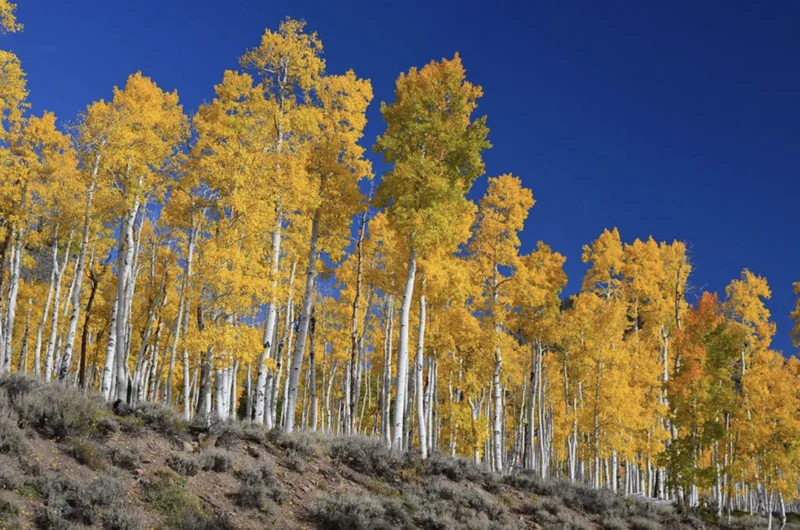
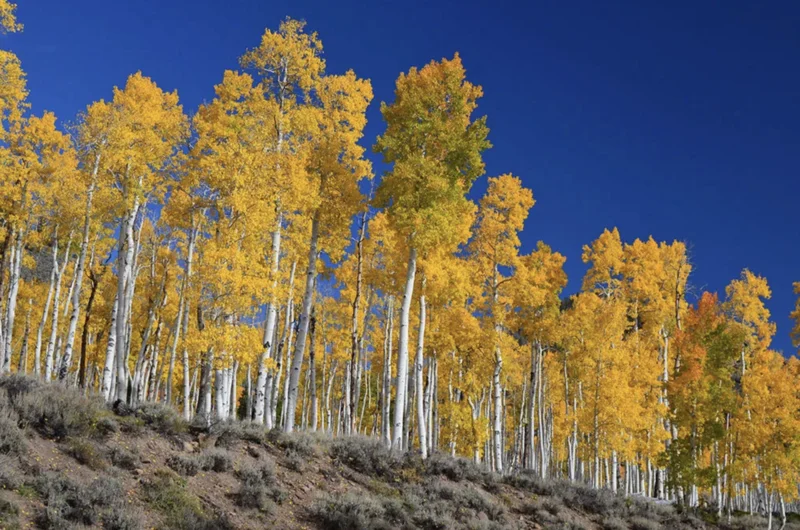
When we talk about the “oldest” living entities, there isn’t a one-size-fits-all definition; instead, it varies based on the organism's nature. For instance, the astonishing Pando is a clonal colony with an age estimated to exceed one million years, while other organisms are individuals, like specific spruce trees, whose age is gauged through tree rings. In some cases, age estimates for organisms such as deep-sea sponges can only be approximated due to their slow growth rates. Grasping the nature of each organism's age reveals much about the enormous variations you find in longevity.
An Overview of the Oldest Living Things
Living Organism
Type
Estimated Age
Location
Pando
Clonal quaking aspen
1+ million years
Utah, USA
Honey Mushrooms
Fungal network
2,400 years
Oregon, USA
Old Tjikko
Norway spruce
9,550 years
Sweden
King Clone
Creosote colony
11,700 years
California, USA
Methuselah Tree
Bristlecone pine
~4,800 years
California, USA
Prometheus
Bristlecone pine
~5,000 years
Nevada, USA
Li Jiawan Grand Ginkgo King
Ginkgo
~4,000 years
China
Fortingall Yew
Yew
2,000–5,000 years
Scotland
Llangernyw Yew
Yew
4,000–5,000 years
Wales
Volcano Sponge
Sponge
~15,000 years
Antarctica
Black coral
Coral colony
4,000+ years
New Zealand
Embracing the Insights of History and Nature
Examining the remarkable living symbols of endurance, the narrative of The Thousand-Year Rose in Hildesheim, Germany, serves as a poignant reminder of resilience. Officially planted in the early 800s alongside the cathedral, this bush not only survives; it continues to bloom annually, sprouting delicate pale pink flowers. Yet, it has faced threats, notably during World War II, when bomb damage seemed to spell its end. The fact that it emerged anew from the destruction speaks volumes about nature’s tenacity.
Visually encased in an iron fence, the bases of this iconic plant are cataloged—a testament to both its historical significance and the custodial effort to preserve such a legacy. For anyone interested in the intersection of history, botany, and survival, the Thousand-Year Rose represents more than just a plant; it encapsulates centuries of trials and triumphs.
Unveiling the Secrets of the Deep
Now, switch gears to McMurdo Sound in Antarctica, home to the phenomenon known as the Volcano Sponge, which stands as the oldest living animal on Earth at 15,000 years old. It’s not just age that makes this sponge compelling; it’s the sheer difficulty of studying it. Nestled deep underwater—up to 470 feet—the sponge’s unique adaptations become clear. The SCINI ROV has been instrumental in unlocking its secrets, showcasing how technology can bridge the knowledge gap in remote environments.
Characterized by its pear-shaped form and pale hues, the Volcano Sponge plays host to an assortment of smaller marine life, illustrating the complexity of the ecosystem that thrives in such harsh conditions. The sponge’s slow growth, a mere whisper of biological activity influenced by the frigid depths, reveals how life can thrive against the odds. If you’re involved in marine research or conservation, the findings surrounding this creature's astonishing longevity may provoke useful discussions about the extremes of survival.
Natural Wonders at Milford Sound
Now consider Milford Sound in New Zealand. The towering granite cliffs, sculpted by glacial activity, don’t just form a stunning backdrop but also nurture a captivating array of flora and fauna. Among its treasures are brachiopods, ancient clams with echoes of a bygone era buried beneath the fjord's surface. But it’s the black coral trees, exceeding 4,000 years in age, that truly define this ecosystem.
Hosting around seven million coral colonies, the wealth of life here challenges our understanding of longevity and biodiversity. Visitors to the Milford Discovery Centre and Underwater Observatory engage directly with these underwater wonders, fostering a connection with a living history that you can literally see and touch. The combination of shocking age and vibrant life can inspire not just awe, but also a renewed commitment to conservation efforts in fragile ecosystems.
Looking ahead, the stories these living relics tell—whether it’s a rose in Germany or a sponge in Antarctica—illustrate that nature's endurance forces us to reconsider how we perceive time, resilience, and our collective responsibility to the world we inhabit. What implications do these insights have for our conservation priorities? As we advance, the truths found in nature's narrative might well inform our actions and policies in ways we’re just beginning to understand.
Discussion
Sign in to join the discussion.