Sliman Mansour, a pivotal figure in Palestinian art, has died at 79, remembered for his profound contributions and the legacy he leaves behind.
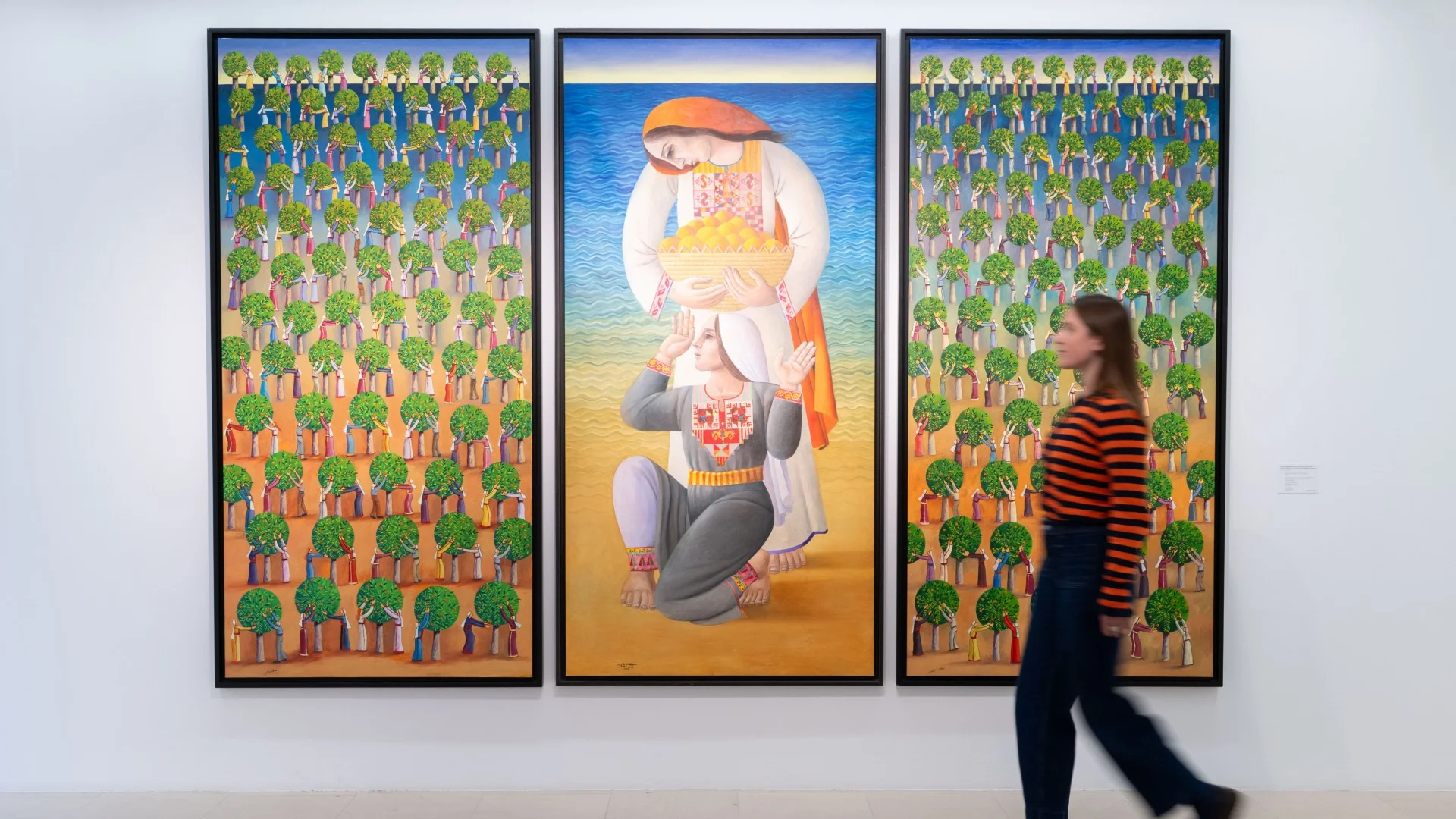
Sliman Mansour, a central figure in contemporary Palestinian art, has passed away at the age of 79. His family shared the news on his Instagram account, stating, “The final chapter has been written. With hearts heavy beyond words, we share that our beloved father has passed away.”
A Legacy Remembered
In the midst of their grief, Mansour's family issued a poignant tribute, reflecting a profound loss. “To the world, he leaves behind a life filled with beauty, memory, and a legacy that will continue to live through all those he touched. But to us, we lost a father, our source of love, strength, and home.” This duality encapsulates how art can bridge the personal and political—a theme that resonated deeply throughout Mansour’s work.
From Birzeit to the Art World
Born in Birzeit, near Ramallah, in 1947, Mansour began shaping his unique artistic voice at the Bezalel Academy of Arts and Design in Jerusalem, graduating in 1970. The choice of his educational institution is telling, as Bezalel is known for blending traditional and modern styles, a reflection of the complexities of cultural identity that Mansour would later explore in his art. This was a critical period for Palestinian artists, who began to redefine their narratives against the backdrop of regional conflict.
Institutional Contributions
Throughout his career, which spanned over five decades, Mansour co-founded the Al-Wasiti Art Centre in East Jerusalem in 1994. This establishment wasn't merely a gallery; it served as a sanctuary for preserving Palestinian art while fostering connections between local creators and those in exile. In a similar vein, he was instrumental in founding the International Academy of Art Palestine in Ramallah, a crucial platform for emerging artists to cultivate their talents and amplify their messages on the global stage.
Exploring Identity Through Art
Mansour's body of work is characterized by its profound exploration of Palestinian identity. His themes often revolved around land, displacement, and cultural heritage—a reflective practice that carries the weight of history. The symbolic presence of olive trees in his work isn’t just a nod to nature; it’s a representation of resilience and a connection to the Palestinian landscape. Olive trees, in many ways, act as a silent witness to the struggles faced by the Palestinian people, embodying their enduring spirit despite ongoing challenges.
Here's the thing: in a world that's often dismissive of marginalized narratives, artists like Mansour provide a vital voice. His contributions go well beyond aesthetics; they remind us of the power of art in evoking human emotion and social consciousness.
An Enduring Influence
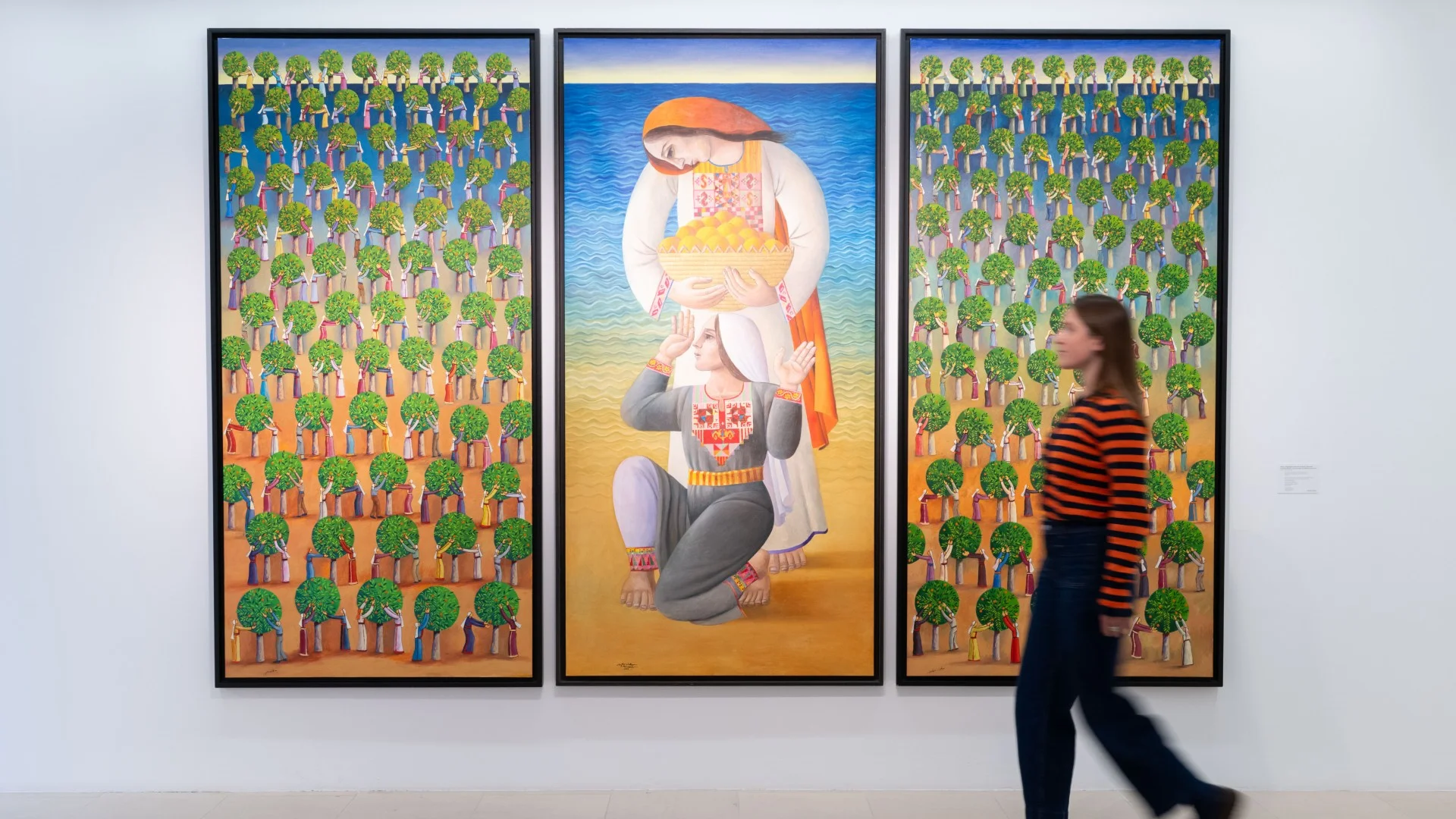
In the context of the global art community, Mansour’s work continues to be displayed and celebrated, fostering dialogue about what it means to be Palestinian. The visuals he created—often deeply personal yet universally relatable—seed a connection that transcends borders and cultures. (and this is the part most people overlook) Art has this uncanny ability to tell stories that history may have overlooked.
Implications of His Passing
Mansour's death signifies more than just the loss of an individual; it echoes through the broader Palestinian art scene, which has already faced numerous challenges. The institutions he helped establish, like the Al-Wasiti Art Centre and the International Academy of Art Palestine, are not just legacies; they are vital components of a movement that seeks to reaffirm and redefine Palestinian culture. His absence raises questions about the future direction of these initiatives and how they will continue to address the complexities of identity and heritage.
What this means for you as a reader is that estates and organizations in the arts community will be pivotal in preserving Mansour's influence. The challenge now lies in how these institutions adapt and celebrate his contributions while nurturing new voices that carry forward the narrative he helped shape.
In a world where the stories of marginalized communities often struggle for visibility, Mansour’s contributions can't be taken lightly. He didn’t merely create art; he wove the very fabric of Palestinian culture into his work. As we reflect on his legacy, it becomes clear that his influence will endure, inspiring artists who will continue to articulate the Palestinian experience for generations to come.
Discussion
Sign in to join the discussion.