Evidence suggests moderate classroom technology use can support learning, while excessive use and distraction may hurt results. Sweden’s screen-free shift is still too new to assess.
Schools’ screen time debate turns on how devices are used
Australia’s proposed school “digital detox” sounds simple: reduce screens, bring books back. The evidence is harder to simplify. International results don’t show that technology alone determines how well students learn, and Sweden’s rapid shift away from screens is still too new to judge.
Federal Education Minister Jason Clare plans to put the issue on the agenda at a meeting with state counterparts expected early next month. He has pointed to recent Programme for International Student Assessment (PISA) results as evidence that schools need to cut screen time. But the OECD’s report on the 2025 results offers a more qualified picture: moderate use of digital devices for learning was associated with stronger science performance across OECD countries, while excessive use and digital distraction were linked to weaker outcomes.
That distinction matters. The question for Australian schools isn’t simply whether devices belong in classrooms, but when they help and when they get in the way. Monash University digital education expert Neil Selwyn says countries with technology-centred systems have also performed well in PISA. The test itself deserves caution, he adds, and it doesn’t show that a system’s reliance on technology is a clear driver of results.
Sweden’s retreat is still a work in progress
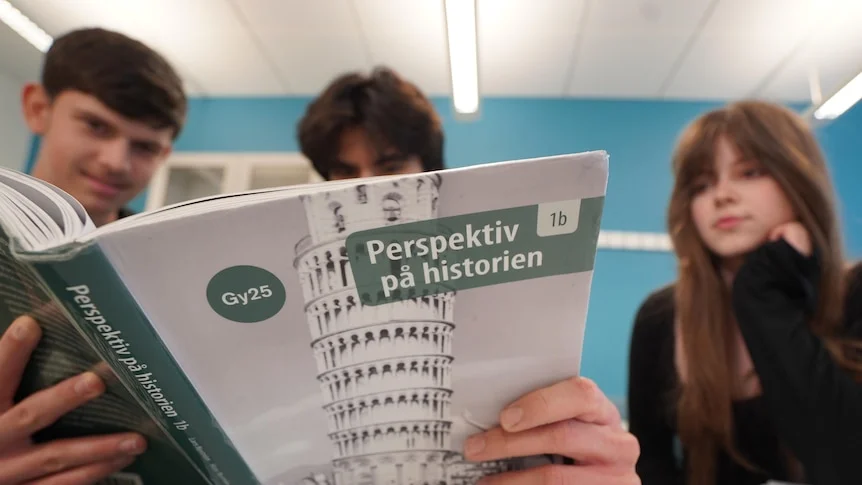
Sweden is an obvious test case. Since 2023, it has pursued a high-profile effort to replace classroom screens with books and paper. The shift followed research into device-related distraction and public support for reducing screen time, says Ingrid Forsler, an associate professor who studies media technologies in education at Södertörn University.

Forsler describes a sharp reversal: Sweden went from strong support for classroom digitalisation to what she calls an extreme turn toward de-digitalisation. The government is developing new curricula that would make compulsory schooling largely screen-free, especially in the early and middle years, and has banned mobile phones in schools.
Education Minister Simona Mohamsson says the government has also funded new school books as part of a “back to basics” policy centred on reading, writing and maths. She argues that research supports teaching those skills with “analogue tools in analogue environments”. Studies have suggested that young people may understand texts better on paper, though the wider evidence on technology’s effect on learning remains mixed and depends on how devices are used.

There’s a gap between the policy’s ambition and what schools have changed so far. “The Swedish school is still very digitalised … schools have [digital] learning platforms,” Forsler says. The restrictions have mainly affected students’ private devices and younger pupils’ laptops and tablets. “It’s too early to say if there are any successes, so to speak.” Mohamsson has also said it will take time for the reforms to be fully implemented and have an effect.
Sweden’s latest PISA results were among its lowest on record, especially in reading and maths. Supporters of the screen-reduction policy have treated that decline as a reason to press ahead, but it doesn’t establish that screens caused the poor results. Selwyn says schools and teachers have faced a huge workload adjusting to the change. His warning is practical: governments can’t simply switch off classroom technology at a minister’s direction. Cutting its use seriously takes planning.
Estonia offers a different example. It recorded strong PISA results without banning mobile phones in schools and has embraced artificial intelligence tools in secondary education, Selwyn says. Estonia credits its performance to a broader set of conditions: trust in schools and teachers, high expectations for students, consultation with students and parents, and ongoing evaluation of technology use. In that account, devices are part of the system, not the force driving its success.
China’s mixed signals on classroom technology
Strong PISA results in reading, science and maths have also come from students in Beijing, Shanghai, Jiangsu and Zhejiang, some of China’s most economically developed regions. Yet much schoolwork there remains on paper. Monash University education lecturer Hongzhi Zhang says exams are still paper-based and students do much of their work by hand.
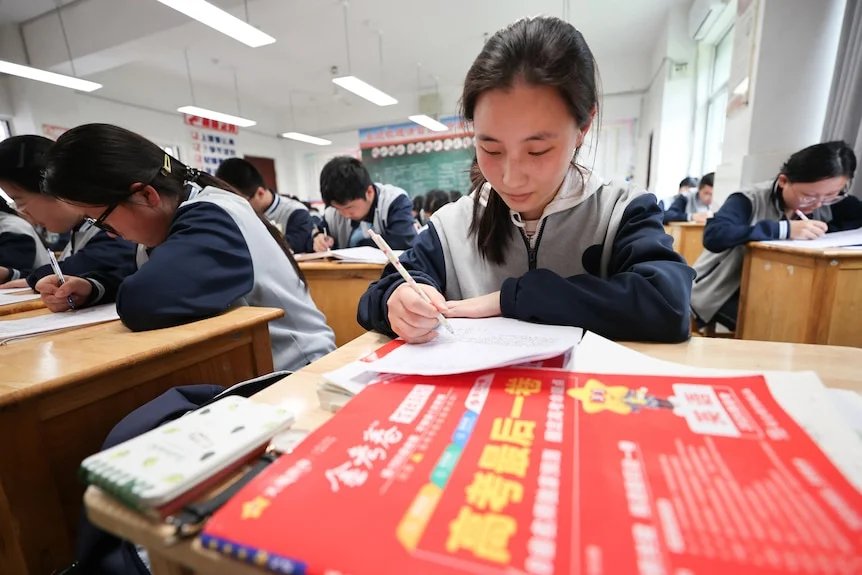
Schools teach digital skills in IT classes, Zhang says, while deciding whether devices will improve a particular lesson. If they won’t, “they just put it away”. But China’s direction is not simply a retreat from educational technology. University of Kansas professor Yong Zhao points to experiments with AI-based education in schools in Shanghai and Beijing: “They’re not trying to detox that way.”
Zhao says Chinese education authorities are also looking for students to exercise more and stay healthy, with less emphasis on test scores. He cautions that a narrow focus on PISA can crowd out other educational aims, including helping students care about solving problems that affect others. Students will still need to learn to use digital tools critically, he says. “They will live in a world that’s dominated by these devices.”
Japan’s case for restraint
Japan’s experience suggests that slowing the rollout of classroom technology needn’t mean rejecting digital skills. The country performed among the best in the last PISA tests, though its reading scores fell. Meanwhile, government plans to introduce tools such as digital textbooks met resistance from parents and teachers, Adelaide University education scholar Keita Takayama said.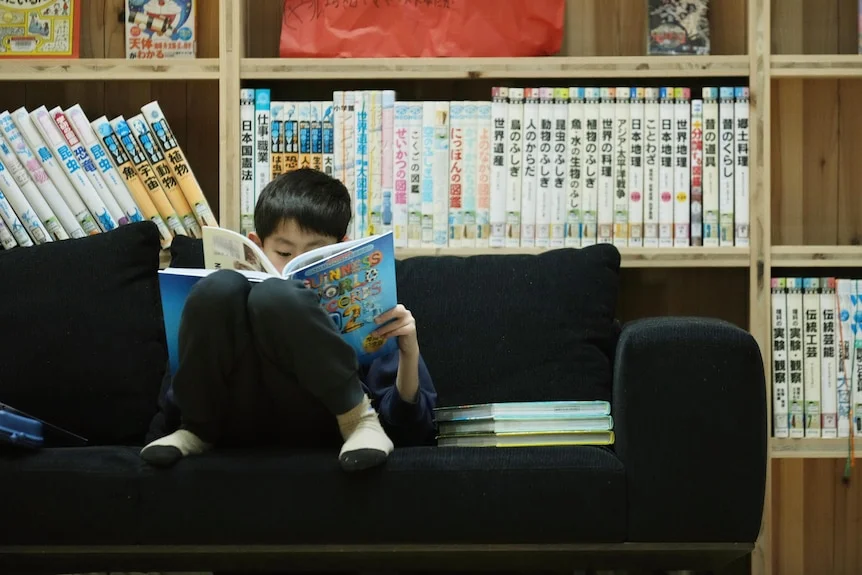
Discussion
Sign in to join the discussion.