Two leaders from the youth-driven Cockroach Janta Party face five-day jail sentences following a protest, intensifying discontent among young voters.
Two prominent figures from India's Cockroach Janta Party have been sentenced to five days in jail following their involvement in a protest at Jantar Mantar, a historic site often used for demonstrations in New Delhi. Ashutosh Ranka and Saurav Das were arrested after they reportedly scaled barricades to access the area while demanding the resignation of the chief election commissioner, Gyanesh Kumar. The police characterized their actions as trespassing, claiming the venue is no longer sanctioned for protests.
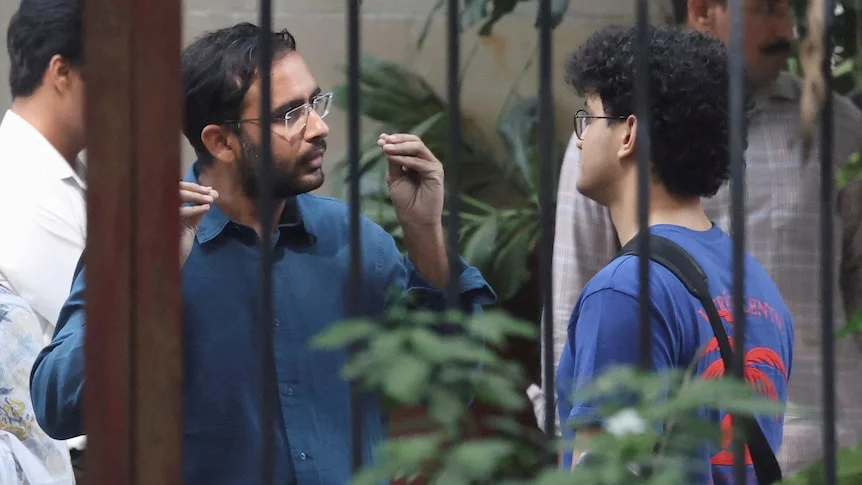
Ashutosh Ranka and Saurav Das of the Cockroach Janta Party. (Reuters: Priyanshu Sing)
The Context of Protest
This incident is part of a broader crackdown by the authorities, which has seen police detaining thousands of young demonstrators in a bid to curtail protests demanding electoral integrity. The Cockroach Janta Party has emerged as a voice for many disenchanted young Indians following a controversial nationwide voter list revision that resulted in the removal of over 130 million names since last year. Critics argue that the effort is politically motivated and risks disenfranchising significant segments of the electorate.
Let's unpack that number. More than 130 million missing names represents a staggering amount of lost representation. That's more than some entire countries have in population. It highlights a real fear among voters that their voices are being systematically silenced. This voter list revision has not just angered current voters; it's also alienated those who are eligible to vote for the first time, increasing tensions surrounding electoral processes in India.
Growing Discontent
The Cockroach Janta Party’s leaders have positioned themselves against what they see as oppressive tactics from the government. In a recent statement, Abhijeet Dipke, the party's founder, lambasted Prime Minister Narendra Modi for his administration's heavy-handed approach. He suggested that if the government's goal is to stifle dissent, it should openly acknowledge its actions rather than resorting to covert measures.
What started as an online satirical movement in response to disparaging comments by the chief justice about the youth has evolved into a significant political force. Previous protests successfully pushed for the resignation of Modi's education minister, illustrating the potential for grassroots activist movements to challenge established power structures. The Cockroach Janta Party is increasingly hard to ignore as they tap into widespread youth frustration.
Next Steps
The detentions of Ranka and Das could potentially ignite further protests, especially among the youth demographic, which has shown passionate engagement in recent days. With opposition groups increasingly vocal and united, the situation moving forward appears uncertain. Tensions surrounding electoral reforms in India may escalate, which puts the government in a precarious position when it comes to managing dissent.
If you're working in this space, the implications are clear: sustained protests could lead to serious political ramifications. The youth demographic that the Cockroach Janta Party champions is not merely a passive observer. These individuals are mobilized, frustrated, and demanding accountability, and their engagement could reshape future electoral outcomes.
Significance and Future Outlook
Here's the thing: the events happening now are not just isolated incidents; they signal a larger movement. As we witness the Cockroach Janta Party rising in prominence, it becomes evident that this frustration is not just a moment in time but a potential shift in political culture. Disenfranchized voices are coming to the forefront to demand reforms and accountability, and this changing dynamic will likely spark ongoing activism.
And yet—what remains to be seen is how the government will respond as protests escalate. Will officials choose to continue their current strategy of heavy-handedness, or will they adopt a more conciliatory approach? The tensions between authorities and activists are likely to intensify. Previous patterns show that events like Ranka and Das's detention can rally additional support, giving voice to those who may have been reluctant to enter the fray. The outcome is uncertain, but the stakes are high. The political landscape in India could change rapidly depending on whether the youth feel heard or marginalized.
Discussion
Sign in to join the discussion.