Andrew Mountbatten-Windsor is legally contesting his February arrest related to the Epstein files, with a hearing scheduled to review warrant lawfulness.
Andrew Mountbatten-Windsor is engaging in legal proceedings against police regarding his February arrest, which is tied to the Epstein case. This marks a significant moment, as it's the first time a royal has legally challenged the validity of criminal proceedings since King Charles I's trial in 1649.
Britain's judicial office has confirmed that a court hearing is set for Thursday, following a request from Mountbatten-Windsor for a judge to examine the search warrants that facilitated his arrest. These warrants were issued as part of an investigation into allegations of misconduct in public office.
Thames Valley Police confirmed they are involved in legal processes surrounding the warrants in question, noting that their investigation into public office misconduct is ongoing. In a brief statement, the police indicated their commitment to transparency during these legal proceedings.
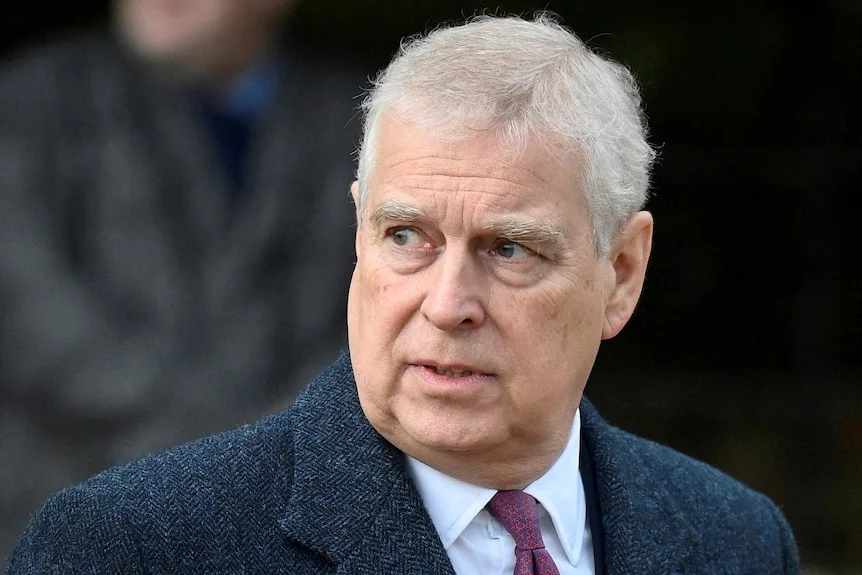
Andrew Mountbatten-Windsor was stripped of his royal titles in October 2025. (Reuters: Toby Melville)
Mountbatten-Windsor’s arrest stemmed from suspicions that he leaked sensitive documents related to trade deals to the late Jeffrey Epstein during his tenure as a trade envoy from 2001 to 2011. He was detained at his home in Norfolk and underwent nearly 12 hours of police questioning before being released under investigation.
Context of the Investigation
The inquiry gained traction following the release of numerous documents by the U.S. Department of Justice related to Epstein. Among these materials were several emails indicating that Mountbatten-Windsor had forwarded sensitive information to Epstein in 2010. While being named in these documents does not equate to wrongdoing, trade envoys must uphold strict confidentiality regarding political and commercial information.
This case underscores the ongoing fallout of the Epstein scandal, which has continued to reverberate through various social and political circles. High-profile associations often attract scrutiny, and Mountbatten-Windsor's position as a trade envoy put him in a particularly vulnerable spot. The ramifications of these findings can be expansive, as they not only challenge individual reputations but also heighten public concerns over governance and accountability.
Mountbatten-Windsor has consistently denied any misconduct tied to Epstein and has expressed regret over their relationship. This lengthy denial may be part of a broader strategy to re-establish some semblance of public trust. Since his arrest, he has refrained from making public statements, perhaps in an effort to maintain a dignified silence while legal matters progress.
In 2011, he resigned from his position as trade envoy following rising scrutiny related to his associations. The charges of misconduct in public office—carrying a possible life sentence—encompass a broad range of serious offenses, from corruption to sharing confidential information. With stakes this high, navigating the legal nuances will be pivotal for Mountbatten-Windsor.
In May, police officials mentioned they were also reviewing claims that a woman was taken to Windsor for sexual purposes in 2010, allegedly connected to Epstein's practices. This ongoing investigation continues to draw public and media attention. The revelations implied in this aspect of the investigation have added layers of complexity, particularly concerning the involvement of royal figures.
King Charles, who removed his brother’s titles in October 2025, has publicly expressed deep concern over the arrest and reaffirmed the royal family's commitment to cooperating with authorities. His response reflects an acute awareness of the delicate balance the monarchy must maintain between public opinion and legal accountability. The royal family's previous insulation from criminal scrutiny is being tested here, which could set significant precedents for future royal conduct.
Legal and Public Implications
Mountbatten-Windsor’s case poses essential questions about the intersection of royalty and legal authority. The royal family has maintained a unique position in British society, one that typically shields them from criminal proceedings. This case is notable as it raises the specter of legal challenges against royals, a dynamic that's not often seen in modern Britain. If successful, Mountbatten-Windsor's challenge could redefine how the law interacts with royal privileges.
Another important factor at play is public sentiment. People have grown increasingly skeptical of established institutions, and scandals involving powerful figures tend to amplify that skepticism. If you're working in this space, be aware that the media narrative surrounding this case could either bolster public calls for reform in royal accountability or further entrench perceptions of entitlement among the elite.
This scenario could affect the royal family's standing significantly moving forward. Should there be substantive evidence against him, the monarchy may face a reckoning it hasn’t experienced in centuries. What this means for you is straightforward: the outcome of this case could very well shape public opinion about the monarchy for generations.
Discussion
Sign in to join the discussion.