An inquest into Alby Spreadborough's death has parents questioning the medical team's decisions during a critical labor situation.
An inquest is underway regarding the tragic death of Alby Spreadborough, a newborn who died at Emerald Hospital in central Queensland in February 2023. During proceedings, the focus has shifted to the mother's experiences, which raise important questions about the medical decisions made during her labor.
The Circumstances Surrounding Alby’s Death
On February 6, 2023, Alby succumbed to an obstructed labor condition. The inquest has heard emotional testimonies from his parents, Rebecca and Tim Spreadborough, along with medical professionals involved in the case. Rebecca recounted moments of intense pain during labor, stating she expressed a clear desire for a caesarean section to alleviate her distress. Despite her pressing request, she felt her pleas were sidelined. “I was a vulnerable mother in labor in excruciating pain,” she testified. This statement epitomizes the emotional turmoil women often face in labor, further underscoring how crucial it is for medical teams to listen to and prioritize patient concerns.
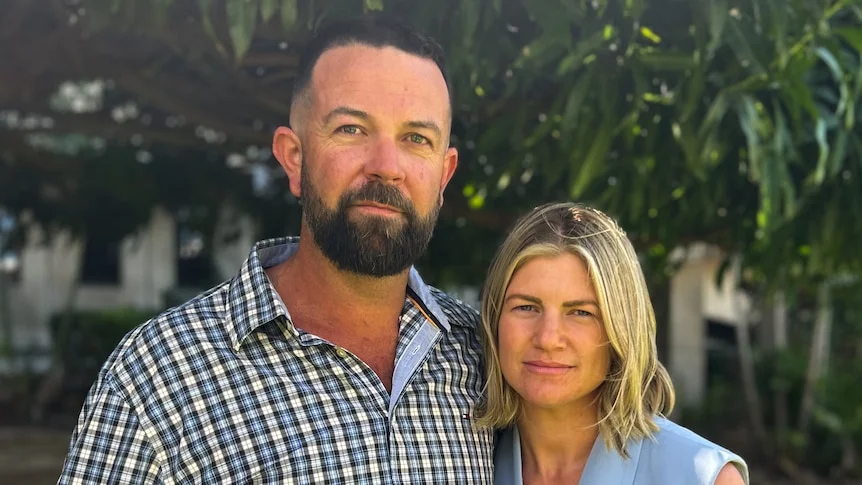
Tim and Bec Spreadborough testified at the inquest concerning the death of their newborn son, Alby Spreadborough. (ABC News: Emily Anderson)
Despite her significant discomfort, Rebecca was advised to await further attempts at vaginal delivery. This is a common guideline in obstetric practice, often aimed at ensuring the safest possible delivery for mother and child. However, the pressure to comply can cause undue stress and deter women from voicing genuine concerns. Rebecca described feeling overwhelmed by what she perceived as insistence from the medical staff. “I felt there was lots of pressure and encouragement to continue birthing vaginally.” This raises questions about informed consent and the extent to which patients should be alongside clinical guidelines during critical moments in their care.
It wasn't until much later that Rebecca made a firmer request for a caesarean, which finally started the procedure. Ironically, improvisation in patient management, frequently viewed as a secondary option, proved necessary in this instance. During the caesarean operation, Rebecca sensed that something was amiss as she overheard doctors attempting to resuscitate Alby, though no one communicated the unfolding events to her directly. She stated, “No one came to me to communicate what had happened, but I could hear in the room what was happening.” Imagine the confusion and distress: a mother undergoing major surgery, hearing alarming details, yet being kept in the dark about her newborn's fate. Both she and Tim reported not being informed of any concerning results from prenatal scans, leaving them bewildered at what was supposed to be a joyous moment in their lives.
Medical Complications and Decisions
A key element in the inquest is the medical findings concerning Rebecca’s condition during labor. Dr. Brooke Davies, involved in Alby's birth, described a complication known as Bandl's ring, a rare condition where a constricting band forms in the uterus, complicating delivery. This phenomenon presents significant challenges that necessitate prompt intervention to avert dire consequences. Dr. Davies acknowledged that it was her first encounter with such a case, noting, “It was like I had cut through a steel ring rather than a rubber band.” Such vivid imagery brings the severity of this condition into sharp focus, serving as a stark reminder of the unpredictable challenges healthcare providers face during childbirth.
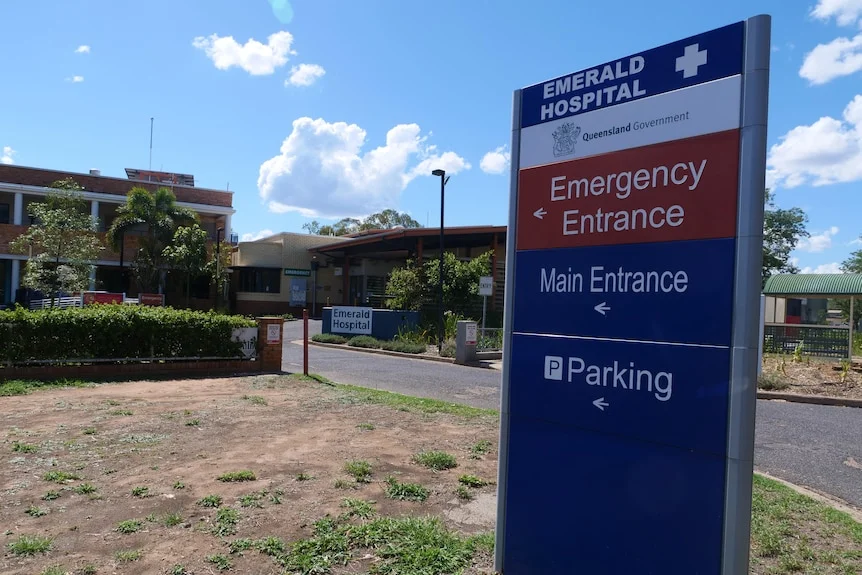
Alby Spreadborough died at Emerald Hospital. (ABC Capricornia: Jasmine Hines)
Seeking Answers Through Advocacy
The Spreadboroughs have taken a proactive stance in their quest for clarity regarding the medical care they received during this critical time. Their advocacy is driven not just by personal grief, but by an urgent desire to shed light on systemic issues in maternal healthcare. After an initial coroner's report in 2025 concluded that Alby's death was not preventable, they pushed for a deeper investigation. This wasn't just a routine inquiry; it was an appeal for accountability in a system that can often feel impersonal and indifferent. State Attorney-General Deb Frecklington subsequently ordered the inquest to determine whether earlier intervention, specifically a cesarean delivery, could have changed the outcome for Alby.
The inquest, overseen by Deputy State Coroner Stephanie Gallagher, will scrutinize all medical decisions made before and during the birth. This isn't merely about one family's tragedy; it raises broader questions about patient rights during childbirth. The subtle nuances of advocacy and patient care are at the forefront of this ongoing investigation, as the ramifications of decisions made during labor become painfully evident.
This four-day inquest promises to probe procedural shortcomings and communication breakdowns that may have contributed to this heartbreaking case. The stakes are high: Lessons learned here could inform future policies designed to ensure that similar tragedies do not occur. (And this is the part most people overlook.) If you're working in this space, the implications of this inquest may redefine patient care standards across hospitals and potentially reshape the dialogue surrounding maternal health. It's not just about one case; it could ripple through healthcare practices far and wide.
Discussion
Sign in to join the discussion.