A legal challenge has been filed against the South Australian government's plans for a MotoGP circuit in Adelaide, sparking significant controversy.
Legal proceedings have been initiated regarding the South Australian government’s proposal for a MotoGP circuit in the heart of Adelaide. Documents submitted to the Federal Court in Queensland on September 18 detail a case brought by Joshua Hogan against the state of South Australia. The action seeks to address significant environmental concerns tied to the project.
Overview of the MotoGP Proposal
The planned MotoGP circuit is part of a larger effort to bring high-profile sporting events to South Australia, aiming to boost tourism and bolster the local economy. The proposal involves a substantial investment—approximately $96 million is earmarked for the street circuit design. This initiative is framed within a broader narrative of cities competing for major international events, a trend seen in various regions as they attempt to capitalize on the economic benefits that accompany such gatherings.
However, the decision to site this circuit in a densely populated area has faced pushback from community members and environmental advocates. The circuit's design removes nearly 400 trees from the eastern parklands, raising serious flags about the ecological impact. There are also questions regarding air quality and noise pollution, as such events typically attract large crowds and generate significant levels of disturbance. This contradiction highlights the tension between urban development and environmental preservation in city planning.
The Legal Challenge
Joshua Hogan's case raises critical questions about environmental law and governmental authority. Filed in the Federal Court, Hogan's petition seeks an urgent injunction against the construction works associated with the MotoGP project. This legal challenge is emblematic of a growing public sentiment against developments perceived as detrimental to environmental health. Such cases often hinge on interpretations of existing environmental regulations, and the outcomes can have far-reaching implications for similar projects across Australia and beyond.
The South Australian government's response, as articulated by State Attorney-General Kyam Maher, emphasizes their determination to defend the project vigorously. His remarks underline a commitment not only to the MotoGP initiative but also to their broader urban development strategy. It reveals a willingness to confront legal challenges head-on, perhaps signaling a contentious relationship between the state government and environmental activists. If you're working in this space, understanding the interplay of legal frameworks and community feedback is essential.
Background on Environmental Concerns
The petition's focus on tree removal sheds light on a significant aspect of urban development: the balance between economic growth and environmental stewardship. The removal of trees is often met with passionate resistance, as trees play a vital role in urban ecosystems. They provide shade, improve air quality, and support biodiversity, just to name a few benefits.
In urban planning discussions, these values sometimes take a back seat to economic arguments. However, the tide is shifting. Increasingly, communities are voicing concerns about green spaces and calling for sustainable development practices, which could hinder projects like the MotoGP circuit in the future. Melbourne, for example, has seen similar controversies around development projects impacting parkland. These debates provoke essential conversations about the kind of cities we want to build.
Current Climate of Legal Advocacy
This lawsuit comes alongside another ongoing Federal Court case related to the North Adelaide Golf Course redevelopment, revealing an uptick in litigation centered on urban development projects in South Australia. Here, applicants claim the state should have referred the redevelopment to the federal environment minister. Such developments indicate a burgeoning legal climate where environmental concerns are increasingly at the forefront of public discourse.
The Crown Solicitor's Office's position—that no referral was needed due to the minimal expected impact—highlights the contentious nature of legal interpretations concerning environmental assessments. That said, these cases underscore a persistent tension between state development agendas and the imperative for environmental accountability. The outcomes of these legal disputes will likely set important precedents for future projects.
Implications and Future Outlook
As the legal landscape heats up, the implications for urban development in South Australia are profound. A decision on the golf course redevelopment case is expected shortly, and its outcome could redefine how environmental impact assessments are conducted in the state. If Hogan's petition succeeds, it could embolden further legal actions against other projects deemed environmentally harmful.
Local governments must tread carefully. The influx of public engagement and scrutiny suggests that urban development initiatives will face increased opposition unless they incorporate sustainable practices. This shift could lead to more stringent regulations and could compel developers to reassess projects long before they reach the construction stage.
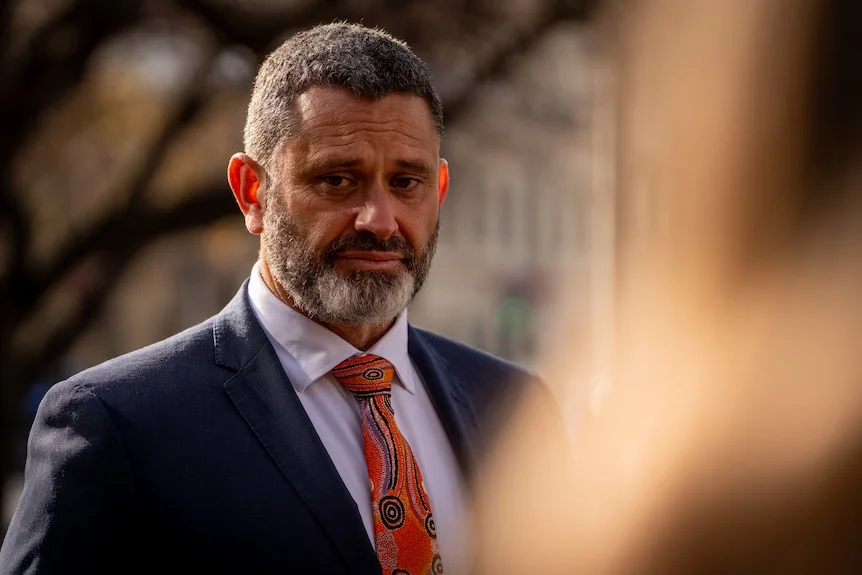
SA Attorney-General Kyam Maher stated the government will defend its position. (ABC News: Che Chorley)
The ongoing legal battles underscore a pivotal moment for environmental advocacy in urban settings. People are increasingly unwilling to accept that development should come at the expense of nature. The outcomes of these disputes reveal a landscape undergoing transformation, and how local governments respond will define the future of urban planning in Australia. It seems like the conversation around development is shifting—people no longer want to see unchecked progress while disregarding the environment. The stakes have never been higher.
Discussion
Sign in to join the discussion.