Tyson Fury and Anthony Joshua will meet at Cardiff’s Principality Stadium on December 11, with the fight set to stream worldwide on Netflix.
The long-awaited Tyson Fury–Anthony Joshua bout is set for December 11 at Cardiff’s Principality Stadium, bringing two former heavyweight champions together in the UK. Promoter Turki Alalshikh announced the venue and date on social media Thursday; the fight is expected to stream worldwide on Netflix. The announcement turns years of negotiation and public speculation into a fixed plan, though the event still has to justify the attention its name carries.
For boxing fans, the pairing has often seemed close enough to anticipate and difficult enough to complete. A date and stadium give the contest a firmer shape, while the expected streaming deal could put it in front of viewers well beyond the UK. That reach is useful to the promoters, but access alone won’t make the fight compelling. The boxers have to produce a contest that feels equal to the history attached to it.
Cardiff wins out over New York
The location settles a question that had pointed elsewhere: earlier reports said promoters had considered New York’s Madison Square Garden. Eddie Hearn, Joshua’s promoter, told The Independent last month that his team wanted the contest in Britain. “We don’t want the money, we’d rather it was in the UK,” he said.
That preference makes the venue part of the story, rather than a logistical footnote. A British setting places the fight before the audience that has followed both men through years of rivalry, and Cardiff gives the event a major stadium backdrop. The choice also signals that the promoters see the bout as a home-market occasion, even though Netflix is expected to carry it worldwide.
There’s a practical distinction here: a global stream can broaden the audience, while the live event’s atmosphere will be shaped by the people in the stadium. The venue announcement answers where the fight is planned, but the broadcast details and the buildup will determine how easily viewers elsewhere can follow the occasion.
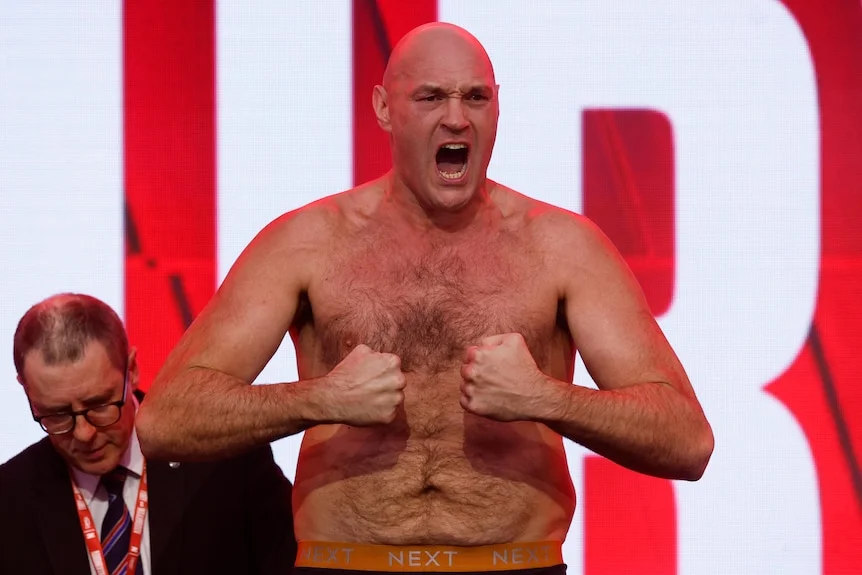
The long-awaited fight has been anticipated for more than a decade. (Reuters: Supplied/Action Images/Andrew Couldridge)
A rivalry that never reached the title unification stage
Fury and Joshua dominated British heavyweight boxing for much of the past decade, but their long-discussed meeting never happened when the major belts were at stake. Both later lost to Oleksandr Usyk, who went on to become undisputed heavyweight champion. That missed window matters: the bout can still be a major sporting event, but it won’t settle the question of which man was the division’s best at its height.
Alalshikh said the fight had eluded organizers for 15 years. “I can now confirm that Fury Vs Joshua will be coming to the UK, as I promised British boxing fans. The time for talking is over…” he wrote on X. The length of the wait has become part of the event’s appeal, yet it also raises expectations that neither fighter can meet simply by appearing in the ring.
Joshua offered a brief message to fans in an Instagram post: “I am inspiring a generation.” His promoter, Matchroom, declared on X: “THE WAIT IS OVER. Tyson Fury and Anthony Joshua finally collide.” The promotional language is emphatic, as it should be for a bout with this much history behind it. The sporting test is less tidy: a rivalry can remain culturally significant even when its original championship stakes have passed.
Recent form sets the stage
Fury returned from retirement this year, fighting for the first time in more than a year and recording victories over Arslanbek Makhmudov and Mariusz Wach. The return gives him recent ring activity to point to, though the record alone can’t answer how he’ll perform against Joshua. A scheduled fight between two heavyweights is shaped by preparation and condition as much as by past reputation.
Joshua’s recent run has included bouts against YouTuber Jake Paul and Kristian Prenga, following his 2024 loss in an IBF world title fight against Daniel Dubois. That sequence gives the matchup a different frame from the unification fight fans once expected. Joshua is coming off a title-fight defeat, while Fury’s return has restored activity after time away; the contrast may make the contest more intriguing, but it also makes confident predictions difficult.
Both fighters may be past their peaks, but their names and unfinished rivalry give the Cardiff contest broad appeal. This is more significant than it looks: the fight is a test of whether history and star power can still make a heavyweight event feel consequential after the clearest championship opportunity has gone. If you’re working in boxing, that’s the central question to watch—not just whether the bout sells, but whether the action rewards the years of anticipation.
And this is the part most people overlook: a long wait creates its own burden. The fight has to work on the night, in the ring. No announcement can do that for it.
Discussion
Sign in to join the discussion.