The expulsion of two senior military officers, including Xi Jinping's close ally, underscores ongoing anti-corruption efforts within China's military.
Expulsion of Military Leaders: A Major Shift
China has intensified its anti-corruption campaign in the military with the expulsion of two prominent officers from the ruling Communist Party. This move follows an earlier announcement that both were under investigation for severe legal infractions.
Zhang Youxia, widely regarded as President Xi Jinping's most trusted military associate, was one of those expelled. He held the position of vice chair of the Central Military Commission (CMC), which oversees the Chinese military. Liu Zhenli, the second officer expelled, served as a member of the CMC and was chief of staff for its joint staff department. These roles placed them at the helm of military strategy and command, which makes their ousting particularly notable.
Details of Allegations: Behind Closed Doors
In January, the Ministry of Defense publicly stated that Zhang and Liu were "suspected of serious violations of discipline and the law," a euphemism often associated with corruption. However, specific details regarding their alleged misconduct were initially undisclosed, leaving many to speculate about the severity and scope of their actions. This secrecy is common in military matters, where public trust is paramount and leaks can lead to significant political fallout.
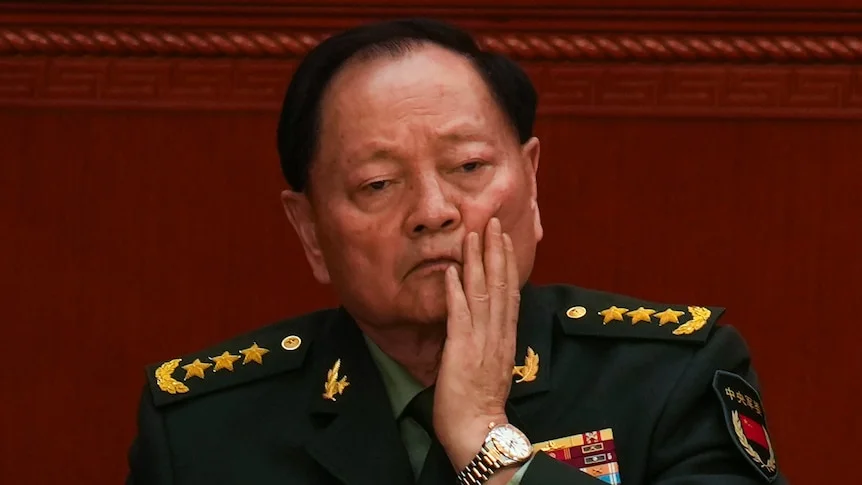
Following a high-level meeting in Beijing, officials determined that the two men would be expelled from the Communist Party, and their cases handed over to military legal authorities for further proceedings. State media outlet Xinhua indicated that both Zhang and Liu were accused of disloyalty, corruption, neglect of duty, and numerous other serious violations of party discipline. This categorization underscores the perceived severity of their misdeeds—imperatives that the Party must address vigorously to maintain credibility.
An internal investigation concluded that they had "become disloyal to the Party" and "crossed red lines," stating they had engaged in a range of offenses, including forming factions within the military. The report emphasized that their political and economic misconduct intertwined, highlighting a pattern of self-enrichment through dereliction of duty and abuse of office. This fusion of political and financial misconduct is what often leads to the downfall of high-ranking officials in authoritarian regimes.
"The sums involved were exceptionally large; the nature (of their conduct) was extremely serious and the impact extremely egregious,"
Reports indicated that the officers used their positions to assist others with career advancements, contributing further to their alleged corruption. Their expulsion is set to be ratified during an upcoming plenary session of the Party's Central Committee. These sessions historically serve as critical junctures for cementing the Party's stance on internal discipline and addressing such high-profile scandals.
Historical Context: The Anti-Corruption Campaign
Last month, both Zhang and Liu had already been removed from their leadership roles in the CMC, signaling a decisive shift in their standing. The crackdown reflects a broader effort initiated by Xi in 2021 aimed at eliminating corruption within military ranks, which the leader has labelled "the biggest threat" to the Chinese Communist Party. This marked campaign builds on past anti-corruption drives, but the military's absolute loyalty is paramount in Xi's vision for a strong governance structure.
And yet, systemic issues remain. While the campaign appears to target high-profile figures, it raises questions about the underlying culture within the military. Rooting out corruption at the top might not address entrenched practices lower in the ranks, which could hinder the campaign's long-term efficacy.
Political Implications: Xi's Strength or Instability?
The recent actions also coincide closely with Xi's scheduled visit to the United States for discussions with President Donald Trump, as well as a key party meeting in October focused on internal governance and discipline within the Party. Observers note that Zhang’s ousting, especially given his proximity to Xi, has sent shockwaves through military and political circles. For Xi, this crackdown serves a dual purpose—improving governance while simultaneously sending a message of intolerance towards corruption.
If you're working in this space, you’d realize this is more significant than it looks. The actions not only showcase Xi’s resolve but also highlight the precarious balance of power in Chinese politics. High-ranking officials must navigate a landscape fraught with alliances and betrayals, where loyalty may sometimes outlast ethical constraints.
Future Outlook: The Next Steps
This crackdown illustrates a steadfast commitment from the Chinese leadership to root out corrupt practices and maintain loyalty within military ranks as part of an overarching strategy to ensure disciplinary integrity. The real questions linger around the future: Will these reforms lead to a culture change? Or will they simply be a temporary fix, allowing corruption to fester until the next public campaign arises?
This situation needs close observation. As more details unfold regarding the expulsion and the forthcoming plenary session, the reactions from other military officials will provide insight into the effectiveness of Xi's strategy. The interplay of public loyalty and genuine commitment to reform remains a pivotal topic, echoing throughout the corridors of power in Beijing—and beyond.
Discussion
Sign in to join the discussion.