A heartfelt tribute to Ellen Fraser-Barbour, a dedicated disability advocate, features the unveiling of a defibrillator at a site of personal tragedy.
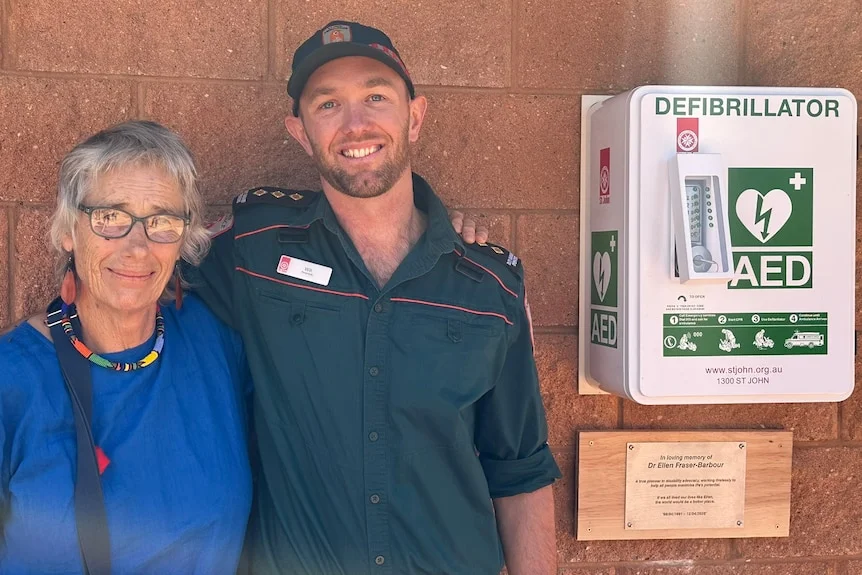
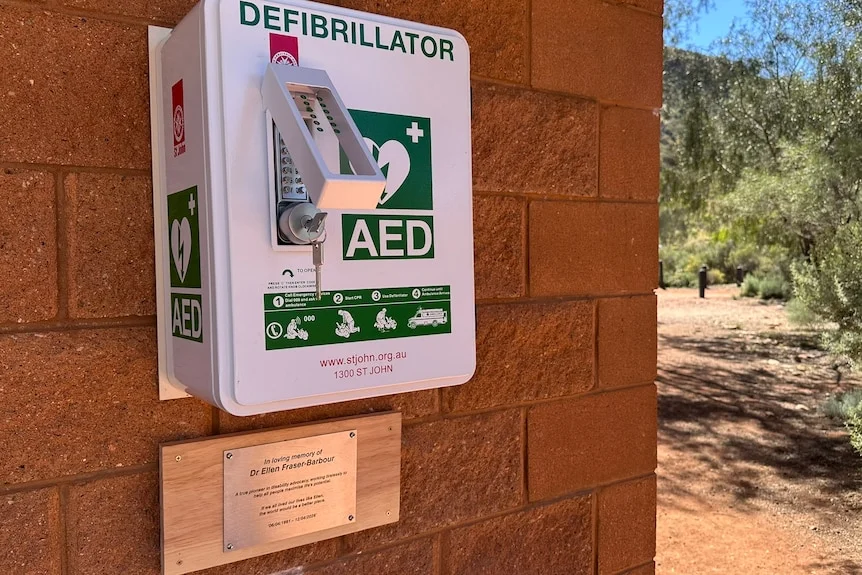
A small ceremony marked the unveiling of an automated external defibrillator (AED) at Ellery Creek Big Hole, 80 kilometers west of Alice Springs, in memory of disability advocate Ellen Fraser-Barbour, who drowned while swimming at the site in April. This poignant tribute highlights her dedication to the disability community and the necessity for improved emergency resources in remote areas. Such installations in tranquil yet potentially hazardous locations can be life-saving; however, they also shine a light on the broader issue of accessibility to emergency healthcare in rural settings.
Memorial Event
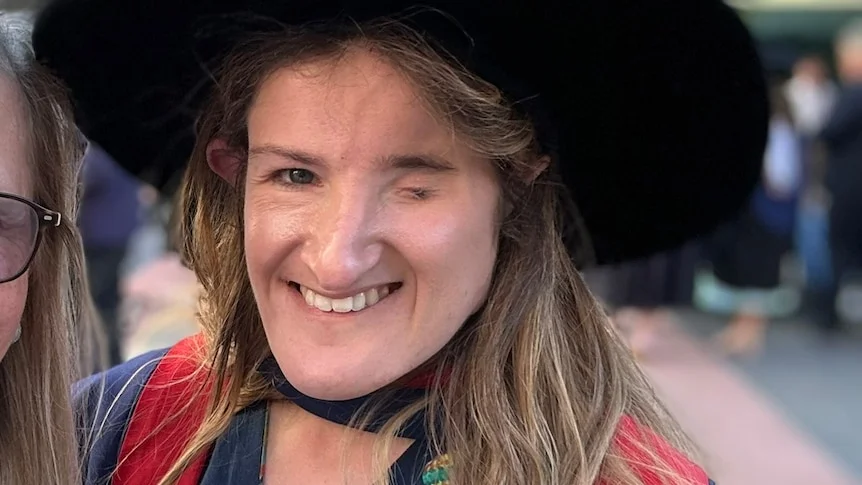
Surrounded by family and friends, including her mother Susie Fraser, attendees shared their memories of Dr. Fraser-Barbour while honoring her significant contributions. Her work had defined not only her life but also inspired many, particularly those in the disability community. The defibrillator installation serves as a potential life-saving measure for future visitors to the popular swimming spot. It’s a striking reminder of how one person's life can ignite change that outlives them. The blending of mourning and celebration at such events can create a cathartic moment for those left behind.
In a moving acknowledgment, Susie Fraser expressed gratitude to the first responders and St John Ambulance service for ensuring that something positive emerged from the tragedy. “I’d like to thank you all for your initiative in doing this and for finding some way of making something positive come out of something which was so tragic,” she remarked. Her words underscore a universal truth: we often search for meaning in loss, hoping that it will not be in vain. An AED isn't just an appliance; in this context, it represents hope, resilience, and a commitment to future safety.
Addressing Emergency Needs
William Sears, the duty manager at Alice Springs Ambulance Station, reflected on the challenges faced in delivering emergency healthcare in remote regions. "It was a tough day for ambulance because of the challenges involved in providing emergency healthcare in remote Central Australia," he shared. With vast stretches of unpopulated areas, it's often not just about the speed of response but the sheer availability of resources. Without immediate aeromedical response, the nearest ambulance can sometimes be over an hour away, making the presence of an AED crucial for safety. This situation highlights a systemic issue; remote locations need an innovative approach to emergency preparedness.
Sears maintained that installing the AED not only commemorates Dr. Fraser-Barbour’s contributions but also offers some closure to her grieving family. “It’s a good opportunity to not only provide some life-saving equipment in remote Central Australia but to offer the family some closure and some help with their journey,” he added. Closure can often feel elusive after a tragedy; actions taken in memory of a loved one can serve as a beacon of hope for those left behind, turning grief into a catalyst for positive change.
A Lasting Impact
Dr. Fraser-Barbour, 35, was a passionate advocate known for her commitment to disability rights and her love for nature, often hiking and exploring the outdoors. Her vibrant spirit and willingness to challenge the status quo left an indelible mark on those around her. In a heartfelt statement, her sister Harriet expressed the profound impact Ellen had on both their family and the broader community. "Ellen was a fierce and defiant force who made a lasting impact on all that she encountered,” she said, adding that the void left by her sister is immense.
Harriet continued, “She was an amazing friend to many and wise beyond her years with so much left to give. Ellen helped to shape so much of who I am today, and I will not be the same without her.” This sentiment reveals how intertwined personal relationships and advocacy can be. The loss of a loved one not only affects individuals but reverberates through the community, making their absence all the more palpable.
Abbey Studley, regional manager for St John Ambulance Northern Territory, highlighted the significance of the event, noting the unusual opportunity for emergency responders to connect with families post-tragedy, which aids in their own healing process. She affirmed that Dr. Fraser-Barbour’s legacy aligns well with the aim of providing equal rights and access to emergency services, especially in under-equipped areas. In many respects, this embodies the type of community resilience and spirit that Ellen represented herself.
Implications and Future Outlook
This tribute transcends a mere memorial; it stands as a vital reminder of the ongoing work in disability advocacy and the importance of safety in community spaces. The presence of the AED at Ellery Creek Big Hole addresses not only the memory of Dr. Fraser-Barbour but emphasizes the critical need for emergency resources in remote locations. There’s a significant takeaway here: investments in public safety infrastructure, like AEDs, can lead to tangible life-saving capabilities.
If you're working in this space, consider how you might advocate for similar installations in your community. The act of remembrance through practical safety measures can serve both as a tribute and a lifesaver. While a defibrillator can’t bring Ellen back, it can prevent another family from experiencing the same loss. Moving forward, such initiatives could shape how communities think about safety, accessibility, and what it means to honor those we've lost.
Discussion
Sign in to join the discussion.