A Federal Court decision has cleared the way for a divisive housing estate in Byron Shire, despite community opposition and ecological concerns.
In a significant development for a controversial housing project in Byron Shire, the Federal Court has dismissed efforts from local activists to halt construction on a 124-lot estate in Brunswick Heads. The ruling marks a turning point after years of legal and community struggle surrounding environmental protections for the area. This decision raises pressing questions about the balance between development and conservation—a topic that remains highly contentious and resonates with communities across Australia.
Community Response to the Ruling
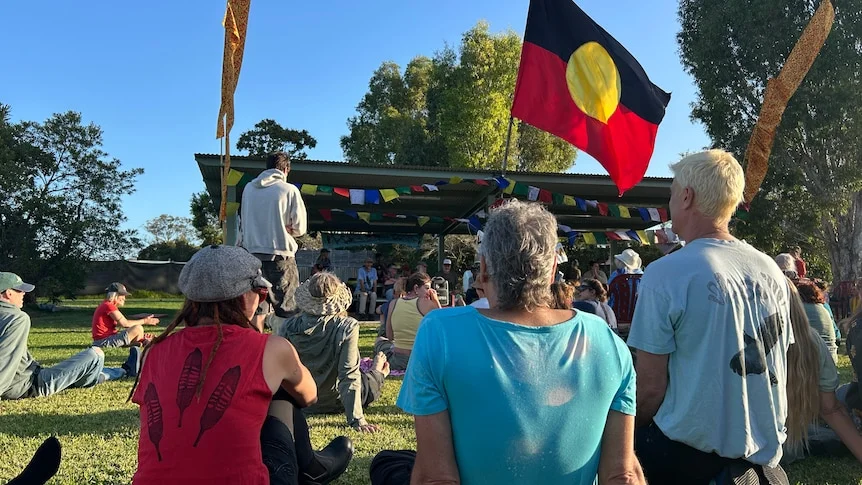
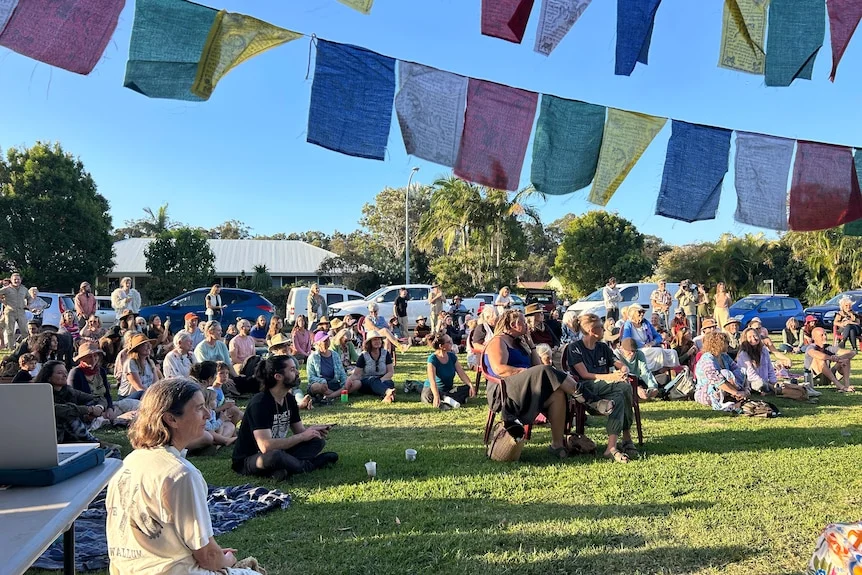
About 100 supporters of the grassroots group Save Wallum gathered to hear the verdict, expressing their disappointment at the court’s decision. This turnout reflects a deep commitment from community members to protect their local environment against perceived overreach from developers. Spokesperson Luciana Bowen characterized the ruling as “incredibly disappointing,” emphasizing the community's ongoing concerns regarding the impact on local ecosystems. She noted how this fight isn’t just about a single project; it symbolizes a broader struggle over environmental stewardship in the region.
Legal Proceedings and Implications
This case stemmed from Save Wallum’s application for a permanent injunction, which aimed to protect the habitat of several vulnerable species, including the critically endangered Mitchell’s rainforest snail and endangered koalas. However, the court found insufficient grounds to grant the injunction, opening the door for the developer, Clarence Property Group, to move forward with plans. The implications of this decision extend beyond just the current project. It raises critical concerns about the adequacy of existing environmental protections and what that means for future projects that could similarly threaten vulnerable ecosystems.
Bowen noted, “You have to wonder what credibility our environmental laws have at a national level if we can't protect threatened species and their habitat from extinction.” Community members have invested considerable resources—both financially and in terms of time—to contest the project within the judicial system. Their efforts paint a picture of how local activism can intersect with broader environmental concerns at a governmental level, fueling debates around sustainability versus development.
Next Steps for Development
Looking ahead, the developer is poised to commence work as early as September 14, pending any potential appeals from the community within a one-week window. The first phase of the project includes creating artificial frog ponds, a move that ostensibly aims to mitigate some environmental impacts anticipated by the construction. However, one cannot overlook the skepticism surrounding the effectiveness of such mitigation strategies. Many in the community worry whether artificially created ecosystems can replace or replicate the rich biodiversity they’re intended to protect.
According to Simon Kennedy, CEO of Clarence Property Group, the firm feels justified by the court's ruling that refuted allegations of significant environmental risks posed by the development. “We have been ready to commence works for 26 months, so it has been a long wait for us,” he shared, noting the demand for new housing among local families. This sentiment underscores a critical tension: the urgent need for housing and growth versus the equally urgent need for environmental conservation. This contradiction won't be easily resolved.
Historical Context
The Wallum project dates back to 2013 when initial concept plans were submitted. Following numerous objections and a temporary injunction that stalled development for two years, the recent ruling clears the path for changes to the landscape. Throughout this time, public sentiment has often tilted toward environmental conservation, especially in areas known for their unique ecosystems. Historical instances like this one illustrate how local voices can galvanize into a larger narrative around environmental preservation, albeit against substantial odds.
In previous instances, tensions escalated between activists and workers as they prepared to initiate site work, highlighting the emotional stakes involved in this contentious development. Activists previously received temporary protection in 2024, which allowed them to establish physical protests on-site. But these measures often feel like temporary reprieves in a larger battle waged in courtrooms and community meetings, reflecting how environmental laws can be both a shield and a battleground.
As the local community and environmental advocates reflect on the ruling, the unanswered questions regarding ecosystem preservation remain at the forefront of discussions. What will this mean for other projects in ecologically sensitive areas? The full implications of this decision on the biodiversity of the region and the community’s future will likely continue to unfold. And if you're working in this space, this ruling serves as a stark reminder: the confrontation between development needs and environmental conservation is far from settled.
Future Outlook for Community and Environment
The ramifications of this court decision extend well beyond Brunswick Heads, potentially influencing similar developments across Australia. Many environmentalists are watching closely, evaluating how this outcome will affect public policy and community activism. As legal battles become more common in the face of widespread development, will communities feel more empowered to challenge projects that threaten their local environment? Or will this ruling signal a retreat in the face of overwhelming development pressures?
This case illustrates that many communities are still battling not just their immediate concerns but also a broader existential question: Can we continue to develop while respecting the planet's limits? Such challenges are increasingly common, and the answers won’t come easily. Disturbingly, the community’s concerns might be seen as side issues in the face of economic incentives to develop.
Ultimately, as the development of Wallum progresses, the ongoing dialogue among stakeholders—developers, environmentalists, and the community—will be imperative. The outcome will determine not just the fate of this specific project, but also set precedents for future developments in similarly sensitive areas. This is a live case study for environmental law, community rights, and the complex dynamics that shape the relationship between nature and development during an era where pressures to expand housing are intensifying.
Discussion
Sign in to join the discussion.