SpaceX's Starship 40 marks the first intact recovery of an upper stage rocket, highlighting challenges and costs in advancing space exploration technology.
SpaceX's Rocket Journey Home
SpaceX's Starship 40 has embarked on a crucial journey back to Texas after a significant detour via Christmas Island. This isn't just another rocket returning from a mission; it's the first upper stage from SpaceX that has returned intact after a space flight. Such milestones represent important data points in the ongoing evolution of space exploration technology. The rocket splashed down in the Indian Ocean on July 24, where it floated for 24 days before being towed to the remote island—approximately 1,500 kilometers off the coast of Western Australia. The heavy-duty transport vessel, Forte, set sail from Christmas Island late on Friday with the Starship in tow, marking the start of a long return journey to the SpaceX facility in Texas. Recovering the Starship wasn't just a matter of pulling it from the water; the operation was a complex, meticulously planned effort. The crew of the Forte filled its ballast tanks with water to adjust buoyancy, enabling it to lower its deck into the sea for easier retrieval. Local teams lent their expertise to ensure the rocket was properly positioned, emphasizing the community's enthusiasm and engagement throughout the process. That's the backdrop. Now, what's particularly noteworthy here is the balance between cost and innovation. University of Sydney's marine robotics expert, Stefan Williams, remarked that the expenses associated with this kind of operation can escalate rapidly. While SpaceX is undoubtedly pushing the envelope in aerospace capabilities, the price tag for such missions often reflects the intricate logistics involved in salvaging large experimental hardware from the ocean. With operational costs for similar marine vessels typically ranging from $50,000 to $100,000 per day, one has to wonder about the financial implications of these ambitious undertakings. What does all of this mean for the future of space exploration? SpaceX teams will analyze Starship 40 meticulously upon its return, hoping to extract valuable insights to inform subsequent launches. This experimentation strategy could be pivotal in refining rocket technology, enhancing reliability, and ultimately reducing costs per launch. As you watch developments unfold, bear in mind that tangible progress often comes at a price.The Lessons from Starship 40
The successful recovery of SpaceX’s Starship 40 isn’t just a engineering triumph; it’s a pivotal moment for cost-efficiency in space exploration. Transporting the spacecraft back to the US involves substantial expenses, particularly for both the recovery operation and the logistics of getting the equipment where it needs to go. Professor Williams emphasizes the complexity of these operations, noting that while semi-submersible vessels like the Forte are commonplace in various industries—especially offshore oil, gas, and wind—deploying such large ships for space-related tasks is an intensive endeavor.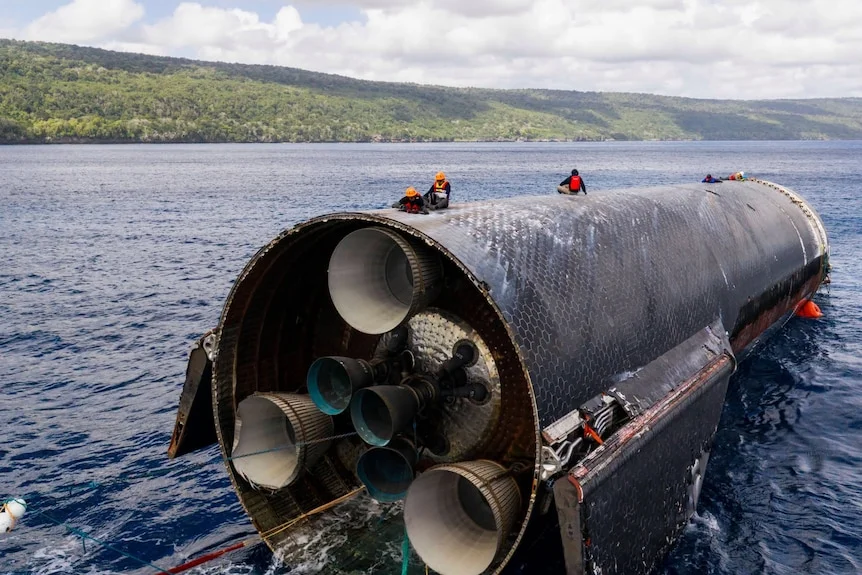 Tough conditions have complicated the logistics of recovery, as highlighted by the weather challenges encountered during the retrieval process. This brings to light an essential question: how can future missions streamline these operations and reduce costs?
The significance of Starship 40 goes beyond its immediate operational success. This 52-meter-long rocket is the first of its kind from SpaceX to complete a space flight and return intact, opening doors to a wealth of data for engineers. Such insights are invaluable, enabling SpaceX to refine its technology and processes. The goal remains clear—creating reusable rockets that not only return safely but can also be launched again promptly.
Astronomer Matt Woods points to the broader implications of these developments, suggesting that SpaceX’s approach is democratizing space. In his view, their advancements are making it economically viable for numerous organizations, from startups to universities, to deploy satellites for ongoing research and exploration.
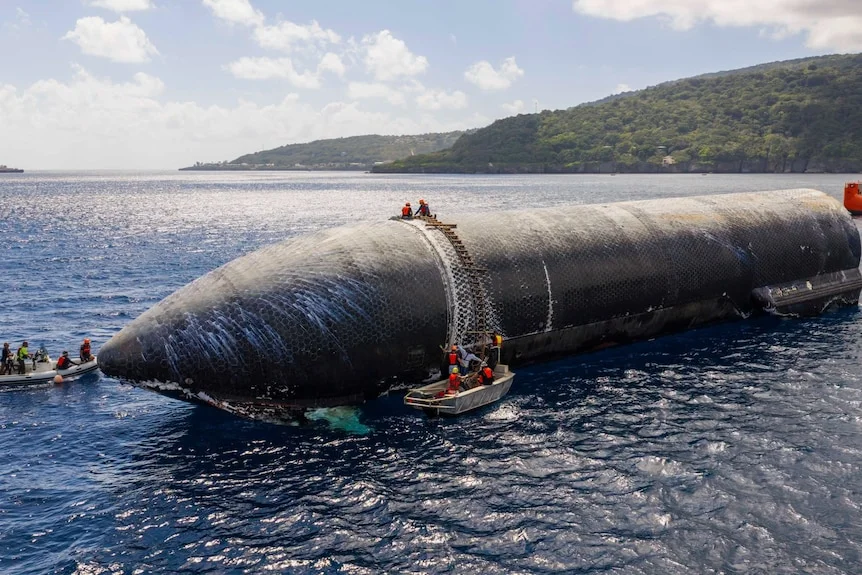 With the Falcon 9 and Falcon Heavy significantly reducing launch costs, Woods’ perspective is emphatic: the possibilities for scientific inquiry are expanding. It’s a game of numbers; if companies can launch more affordably, the potential for advancements in our understanding of the universe soars.
Ultimately, what this means for the future of space travel isn’t just about technology. It reflects a shift towards a more sustainable model that could revolutionize how we think about exploring the cosmos. As we look ahead, the implications of SpaceX's innovations may redefine not just the economics of spaceflight, but what humanity can achieve when we push the boundaries of possibility.
Discussion
Sign in to join the discussion.