CCTV footage played in court reveals a brutal assault on Colleen Bradshaw by Lindsay Kennedy just days before her fatal injury.
A Northern Territory Supreme Court trial has put the focus on Lindsay Kennedy, charged with the murder of his former partner Colleen Bradshaw. The case revolves around an assault that occurred two years ago in Katherine, leaving the court grappling with disturbing details presented to jurors.
On August 28, 2026, jurors were exposed to compelling CCTV footage from two cameras, showing Kennedy violently attacking Bradshaw just days before she succumbed to a traumatic brain injury on July 17, 2024. This footage captured him punching her multiple times and brutally stomping on her head as she lay on the ground, all while uttering derogatory remarks. The unfiltered nature of the video has had a profound impact on the jury, exposing them to the raw brutality of the situation.
CCTV Footage Reveals Violent Confrontation
Details of the attack, recorded on July 11, reveal Kennedy's aggression. The footage shows him walking away from the scene momentarily before returning to inflict further violence on Bradshaw, who was heard crying out in distress. Such behavior is alarming and raises questions about Kennedy's state of mind during the incident. The prosecution posits this behavior highlights his intent, with Crown prosecutor Deborah Mandie emphasizing the premeditated nature of his actions. This insistence on premeditation is pivotal; establishing intent can dramatically affect the outcome of a trial for murder versus manslaughter.
The Prosecution’s Argument
In their closing statements, Mandie urged the jury to recognize the dangerous nature of Kennedy's actions. “His conduct wasn’t impulsive,” she remarked, suggesting that it indicated clear murderous intent. The gravity of such an assertion cannot be overstated; it carries with it the potential for severe punishment should the jury agree. “He approached her aggressively, fists raised, and ruthlessly attacked her twice,” Mandie pressed, framing the events as part of a pattern of domestic violence rather than a singular incident. The prosecution's narrative emphasizes a calculated assault rather than a heat-of-the-moment reaction. This framing, if convincing, could sway the jury toward a more severe verdict.
Defence Strategy
In contrast, the defence, led by barrister David Hallowes SC, contended that the evidence did not conclusively establish an intent to kill. Hallowes argued that while Kennedy's actions were certainly aggressive, they did not directly reflect a desire to end Bradshaw's life. This distinction is pivotal in legal terms, as a murder conviction requires evidence of intent. Hallowes put forth the notion that a verdict of violent act causing death would be more appropriate, though he acknowledged the possibility of negligent manslaughter. This dual strategy—focusing on intent and suggesting a lesser charge—highlights the complexity that such cases often embody. If the jury sees merit in this argument, it could lead to a significantly lower sentence for Kennedy.
Delayed Medical Attention
A significant aspect of the trial includes the timeline of medical treatment. Following the assault, Bradshaw and her sister made multiple emergency calls, yet she was not treated until several days later. The jury heard recordings of these calls where Bradshaw expressed her injuries, which were initially overlooked by medical responders. The fact that even repeated calls to emergency services did little to expedite medical care raises troubling questions about the effectiveness of the emergency response system. It wasn't until her condition escalated severely that an ambulance was dispatched after the fourth call on July 12, where she reported feeling critically unwell. This points to a systemic issue in how emergency services assess and respond to calls, which could be essential for the jury's understanding of the circumstances leading to Bradshaw's death.
Upon reaching the hospital, Bradshaw was subjected to further assessments before being transferred to the Royal Darwin Hospital, where she remained under observation until her untimely death. The delayed medical response complicates the prosecution’s case, adding another layer of tragedy to an already devastating situation.
The Medical Examination
Court proceedings also included vital contributions from forensic pathologist Salona Roopan, who confirmed that Bradshaw's cause of death resulted from blunt force trauma. The physician explained how the injuries sustained a week prior initiated a slow bleed in her brain, ultimately leading to her demise. This scientific testimony underscores the lethal potential of domestic violence and can serve to remind jurors of the brutality involved.
The repercussions of the assault led to a displacement of her brain due to the accumulating blood pressure within her skull, culminating in fatal consequences. As the medical evidence mounts, the gravity of the situation becomes clearer. The case continues to unfold as jurors prepare to deliberate on the charges next week.
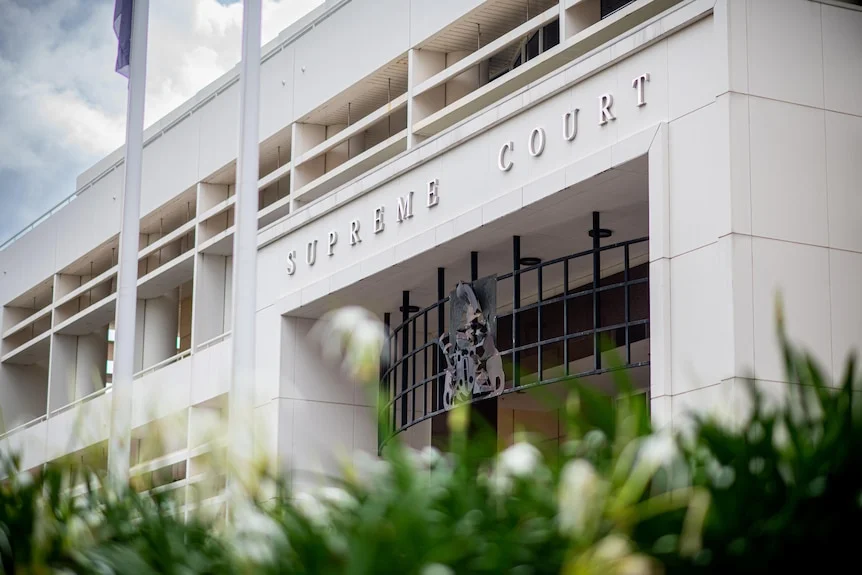
Jurors are expected to retire to consider their verdict in the Supreme Court on Monday. (ABC News: Che Chorley)
Implications of the Case
As the court awaits further developments, the jury is tasked with assessing the implications of Kennedy's actions and the tragic sequence of events that led to Bradshaw's death. The outcome of this trial won't just impact the lives of those directly involved but also reflects broader societal issues surrounding domestic violence and the judicial system's response to it. If you’re working in this space, the deliberations here could set precedents regarding how similar future cases are handled, particularly around the critical evaluation of intent and aggressive behavior.
This case serves as a chilling reminder of the dangers of a domestic environment turned violent, and the tragic consequences that can stem from what may seem like momentary lapses of impulse. Not only that, but it puts a spotlight on the effectiveness of emergency response systems and how failures at multiple levels can culminate in irreversible tragedies.
Discussion
Sign in to join the discussion.