The heartbreaking case of Hailee Hildebrandt, who died by suicide shortly after leaving a Perth hospital, underscores the need for urgent reforms in mental health care protocols.
WARNING: This story contains details some readers may find distressing.
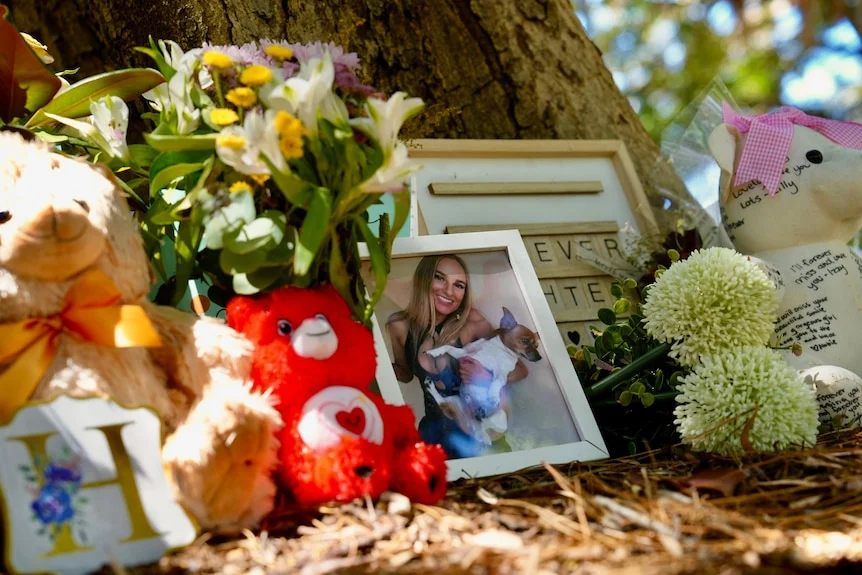
Hailee Hildebrandt, an 18-year-old from Perth, tragically took her own life just hours after being released from Fiona Stanley Hospital, where she had been a patient due to mental health issues. A recent review reveals that just 25 minutes before her discharge, Hailee had attempted to end her life.
Critical Oversights in Care
The report illuminates significant oversights in the hospital's decision-making process. Despite Hailee explicitly communicating her suicidal intentions, she was still permitted to leave for a planned overnight visit. This raises serious questions about the discharge protocols in place. Her mother, Stacey Hildebrandt, expressed disbelief over the hospital's failure to grasp the gravity of her daughter's state, stating, "I cannot figure out how they couldn't recognise the crisis she was in and still let her go."
During her stay, Hailee made a specific request for hospital staff to contact her mother, indicating a clear need for support that went unheeded. Unfortunately, the hospital could not comply because Hailee had been removed from the next of kin list—a decision that proved disastrous. This lack of communication left Stacey unaware of her daughter's precarious condition. After Hailee's exit, she sent several distressing text messages indicating her intentions, prompting Stacey to reach out to the police. Responders traced Hailee's phone, only to find her unresponsive. The unfortunate twist here is that families often rely on these institutions to act in their loved ones’ best interests, a basic expectation that was not met.

Reactions and Calls for Change
Stacey has been vocally advocating for systemic reforms in mental health care, sharing her experience as a cautionary tale for others. She pointed out that in a mental health facility, timely interventions can save lives, noting, "Sometimes they're on 15-minute checks. That's enough to save somebody's life." Yet, the existing protocols failed to safeguard her daughter, leading to devastating consequences.
A clinical incident report recommended 21 improvements, focusing on better training and clearer procedures for identifying support persons for patients who lack next of kin. This is an essential step, yet it also raises a critical point: how effective will these "improvements" actually be if entrenched issues within the system are not addressed? The South Metropolitan Health Service (SMHS) has accepted these recommendations and is reportedly working towards implementing them. But change requires not just acceptance but a commitment to evolving the cultural attitudes surrounding mental health care. Will this really happen? That remains to be seen.

Institutional Accountability
The emotional aftermath of Hailee's death has compelled mental health stakeholders to reassess existing hospital protocols. A spokesperson for the SMHS stated, "While no system can eliminate all risks associated with complex mental health conditions, every recommendation represents an opportunity to strengthen care and improve outcomes." Here’s the thing: while it’s easy to speak about opportunities, actual systemic change is what families like Stacey's are desperate for in the face of their tragedy.
Stacey insists that the lessons learned from Hailee's death should inform tangible actions and changes in mental health care. "We need to learn from it, make the changes," she emphasizes, underscoring the urgent need for reform in how vulnerable young people are treated during such critical times. This sentiment isn't just about policy; it's about saving lives. It’s a call to ensure what happened to her daughter doesn't repeat with others facing similar hardships.
Future Outlook: A Call for Compassionate Reform
A review led by the chief psychiatrist of Western Australia is now focused on examining Hailee's case to find pathways for improvement in the mental health care system. Stacey is not alone in her advocacy; there is a growing movement among mental health professionals and advocates calling for a more responsive and compassionate approach to care. It's clear that lessons from past mistakes are essential. If you're working in this space, implementing patient-centric protocols could be invaluable. Mental health care should be less about ticking boxes and more about understanding the individuals behind those boxes.
Looking ahead, the conversation surrounding mental health care will likely intensify as more families like Stacey's emerge, seeking systemic changes that prioritize safety and empathy. This evolving dialogue might just lead to healthier outcomes, but only if stakeholders remain vigilant and committed to reform. Without genuine accountability and a shift in perspective, the tragic stories of individuals like Hailee will continue to spotlight the failures ingrained within the system.
Discussion
Sign in to join the discussion.