The ongoing drought in Germany is expected to reduce crop yields, affecting food prices and agricultural costs as farmers face mounting challenges.
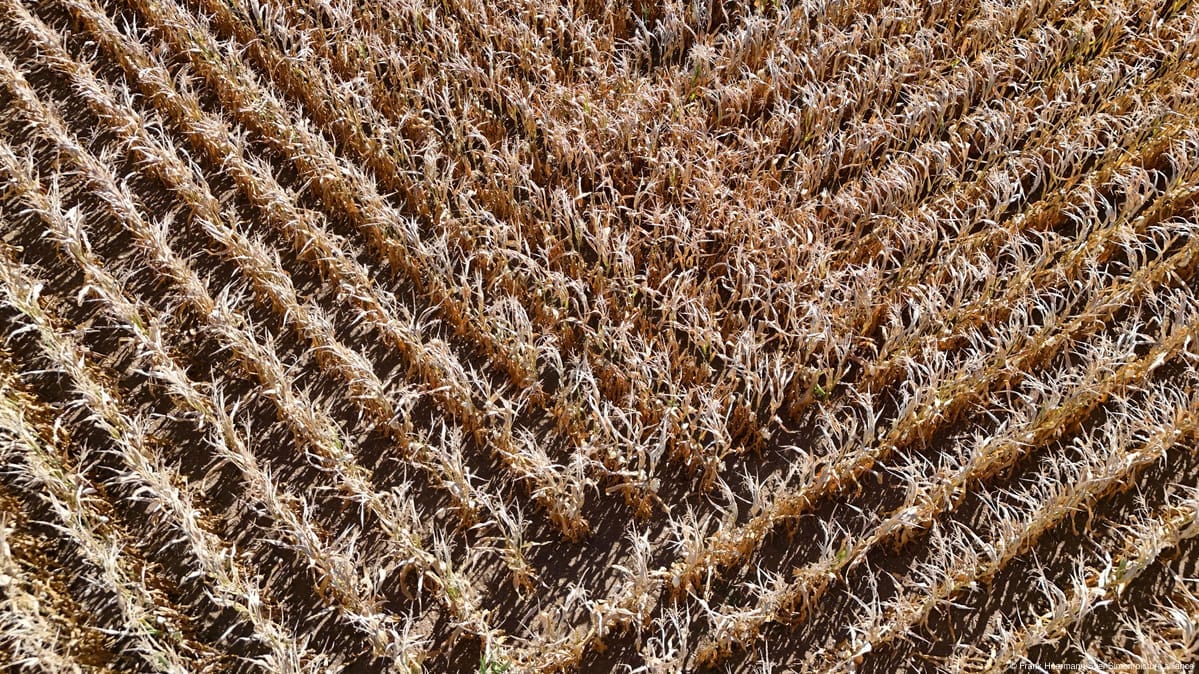
The 2026 summer drought in Germany has raised significant concerns about agricultural output, leading to predictions of a below-average harvest and potential shifts in food prices. The German Farmers' Association (DBV) has reported a worrying forecast that indicates a 7% decrease in grain production compared to last year, primarily due to extreme heat and prolonged dry conditions.
Harvest Projections Amid Drought
DBV President Joachim Rukwied described the situation as severe, highlighting that total grain production is projected to reach only 41.9 million tons this year, a decline of approximately 3.3 million tons from 2025. Notably, rapeseed production could fall by nearly 17%, while barley yields are expected to stay consistent with prior levels, albeit due to increased farmland dedicated to the crop. This inconsistency in crop yields raises questions about the long-term viability of certain agricultural practices in increasingly hostile climates.
Furthermore, forecasts for potatoes and sugar beets are also below average, with some regions experiencing catastrophic crop failures. Southern and western Germany are particularly hard-hit, where localized conditions have intensified the effects of drought. Farmers in these areas face a dual challenge: dealing with diminished yields while also adapting to an environment that may become increasingly unpredictable. Research into resilient crop varieties could be essential to mitigate these regional disparities.

Anticipated Effects on Food Prices
Agriculture Minister Alois Rainer expressed that while immediate price hikes might not be expected, a delay could emerge before consumers see increased grocery costs. Philipp Spinne, from the German Raiffeisen Association, indicated that farmers are enduring substantial financial losses, estimated at €600 million ($696 million), and many are unable to cover their operational costs. This financial gap isn't just a short-term problem; if left unaddressed, it could have lasting effects on the agricultural sector and food prices in the months, even years, to come.
Despite a 2 million-ton grain surplus from the previous year that may mitigate abrupt price increases on staples like bread, the drastic reductions in rapeseed and sugar beet outputs could lead to rising costs for cooking oil and sugar, necessitating imports to compensate for these deficits. Consumers should brace for higher prices, with imports adding complexity to an already strained supply chain.
Reports have also highlighted a marked decrease in available animal feed caused by the drought, posing significant challenges for livestock management and potentially driving up prices for meat and dairy products. As adverse weather impacts crop yields, consumers may face gradual price increases rather than outright shortages. Some analysts suggest these rising costs could translate into long-term inflationary trends for food products, making it essential for stakeholders to adapt proactively.
Chronic Food Security Challenges
This current drought is just one of many recent challenges faced by the agricultural sector in Germany, which has seen food prices soar more than 36% since 2020. The pandemic and geopolitical tensions, including disruptions in Ukraine, have already strained supply chains and worsened inflationary pressures on food costs. These compounding factors have shaped a landscape where food security is increasingly precarious, igniting debates about agricultural sustainability and economic resilience.
Significant price increases have particularly impacted poultry, dairy, and edible oils, as disruptions continue to ripple through the agricultural market. With energy costs for transport and fertilizer production rising, producers are finding it difficult to maintain profitability. This situation isn't exclusive to Germany; similar scenarios are playing out across Europe and beyond, leading to broader concerns about food availability and justice. If you're working in this space, these developments signal potential shifts in how food systems are managed and governed.
Support Measures for Struggling Farmers
Recognizing the mounting difficulties, the DBV has urged the government to provide immediate financial aid, including an increase in the EU fertilizer aid package and temporary tax cuts on agricultural diesel fuel. Farmers have been vocal about their needs, advocating for swift interventions to safeguard their livelihoods. The urgency of their requests reflects the dire straits many currently face, escalating the sense of crisis among agricultural workers.
While Agriculture Minister Rainer has promised to assess the situation and provide support, many in the farming community are anxious for timely relief as they continue grappling with the effects of the drought and other economic pressures. The government’s response will have significant ramifications for the farming sector's future. Will it be adequate to stave off many farmers from bankruptcy? That’s a question that keeps stakeholders awake at night.
Future Outlook: Implications of Drought on Agriculture
The current drought lays bare long-standing vulnerabilities in the agricultural sector. As climate change continues to steer weather patterns, such events may not be isolated incidents but rather indicative of a troubling trend. More frequent and severe droughts could undermine the historical predictability that farmers have relied upon for crop planning. It raises critical questions: Can agricultural practices adapt swiftly enough to maintain yields? What systems can be put in place to support farmers facing climate-related risks?
As the situation develops, lessons learned could inform future policies aimed at climate adaptation and agricultural sustainability. Investment in technology and infrastructure—such as drought-resistant crop strains and improved irrigation systems—will be essential. Without significant intervention, the implications for both local economies and global food security could be severe. In the end, how countries respond to these challenges might determine the shape of global agricultural practices for years to come.
Discussion
Sign in to join the discussion.