Sydney's train network faces yet another disruption as wiring failures lead to morning delays, prompting the restoration efforts from transport officials.
Recent wiring failures have caused more disruptions within Sydney's train network, marking the second incident in less than two weeks. Transport for New South Wales (TFNSW) confirmed the resolution of overhead line repairs after multiple delays affected commuters on Tuesday morning.
Details of the Incident
A spokesperson for TFNSW reported that the service disruptions were attributed to a "loss of tension" in the overhead wiring system at Chatswood due to a failure of a counterweight. This technical issue primarily impacted the T1 North Shore Line and T9 Northern Line, with Sydney Trains CEO Matthew Longland explaining that the counterweights are designed to maintain proper tension on the overhead cables. Maintaining this tension is vital; if it’s disrupted, trains can face operational failures that jeopardize safety and efficiency.
With a significant volume of passengers depending on these lines daily, such failures can disrupt not only individual commutes but also the overall flow of the city's transportation network. Longland indicated that, “Regular inspections are conducted on these counterweights, and the agency will review the history of this particular location to identify any underlying issues.” Such reviews are essential for preventing similar occurrences, particularly as Sydney's metropolitan area continues to grow.
Response to the Disruption
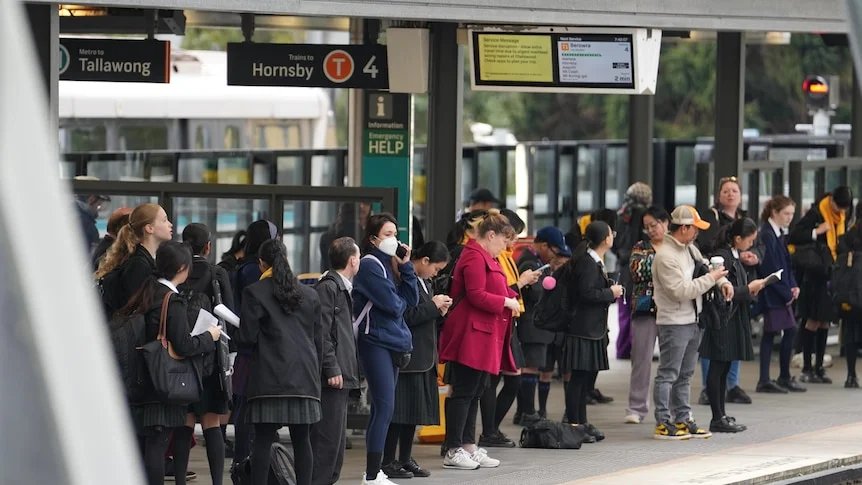
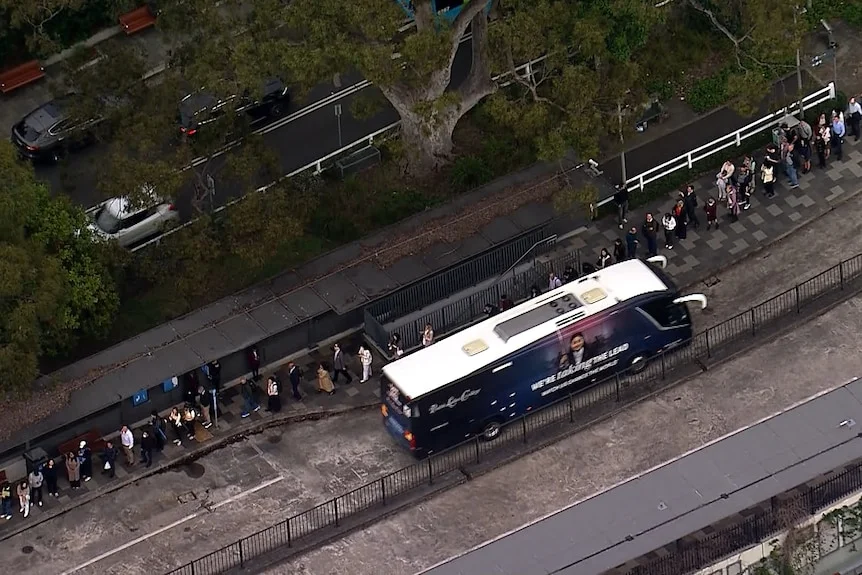
Commuters experienced the fallout as Sydney Trains replaced the city-bound service between Gordon and Chatswood with bus services. This alternate arrangement was part of an effort to alleviate the impact of delays, especially during peak commuting hours, a time when demand for public transport spikes dramatically. Buses, while a viable substitute, are rarely as efficient or predictable as train service.
If you're working in this space, you know just how critical reliable transport routes are for maintaining productivity. Passengers were encouraged to allow extra travel time, as some bus services continued to operate. “We've got extra staff on the ground to assist passengers,” stated Longland, while emphasizing that alternative routes, including the Sydney Metro, could be advantageous for those needing to reach the city. The addition of staff is another layer of support, but the inherent challenge remains: will people trust the alternatives enough to make the switch?
Another Setback for the Network
This incident follows a previous disruption caused by a "freak issue" earlier this month, which led to significant delays and even required passengers to be evacuated after wires came down onto a train. The frequency of these disruptions raises questions about the infrastructure’s integrity and the reliability of services. Following that episode, Transport for NSW conducted a thorough examination of overhead wiring across the network, which is currently undergoing a $2.1 billion upgrade aimed at modernizing and securing the system.
Yet, despite the agency's efforts, some commuters voiced frustrations about the growing unreliability of train services. One affected passenger remarked, “The trains are super unreliable,” highlighting ongoing challenges for daily travelers. This trend reflects a broader theme of discontent among users of urban transit, where infrastructure struggles to keep pace with rising demand. The aggravation doesn’t just tarnish public opinion; it can have implications for ridership patterns, potentially pushing commuters to seek other modes of transport.
Next Steps
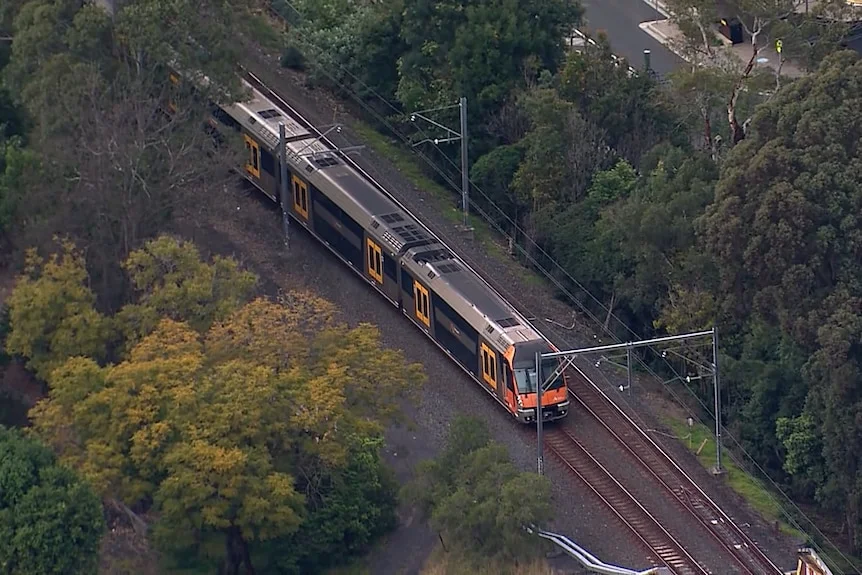
Though repairs have been completed, three empty trains that halted on the tracks last night need to be relocated before regular services can resume. This logistics challenge can further delay the return to normal operations, particularly during already busy travel hours. Sydney Trains is working diligently to ensure that passenger services are restored promptly, with updates expected from the agency. Coordination between services must be meticulous to avoid cascading delays.
As the situation unfolds, those traveling should stay informed via the Opal app for real-time updates and navigate alternative transportation options where necessary. (And this is the part most people overlook)—staying proactive could minimize disruptions to your day, but it requires effort on the commuter’s part.
Implications and Future Outlook
This latest incident underscores the fragility of Sydney's current transport infrastructure. The recurring issues not only frustrate commuters but also reflect larger systemic problems that need addressing. The reliance on manual inspections, given advancements in technology, seems increasingly insufficient. What this means for you as a commuter is the necessity for alternative travel plans that minimize the unpredictable nature of public transport.
With a hefty $2.1 billion earmarked for upgrades, expectations should be high. Yet, with each failure, skepticism grows about whether these investments will translate into improved service quality. Continued transparency from Transport for NSW will be essential in restoring public trust. Only time will reveal if these recent failures are alarming signals of deeper issues or simply isolated instances in an otherwise sound system. For now, commuters must brace themselves: the reality of public transport in bustling urban environments is often unpredictably disruptive.
Discussion
Sign in to join the discussion.